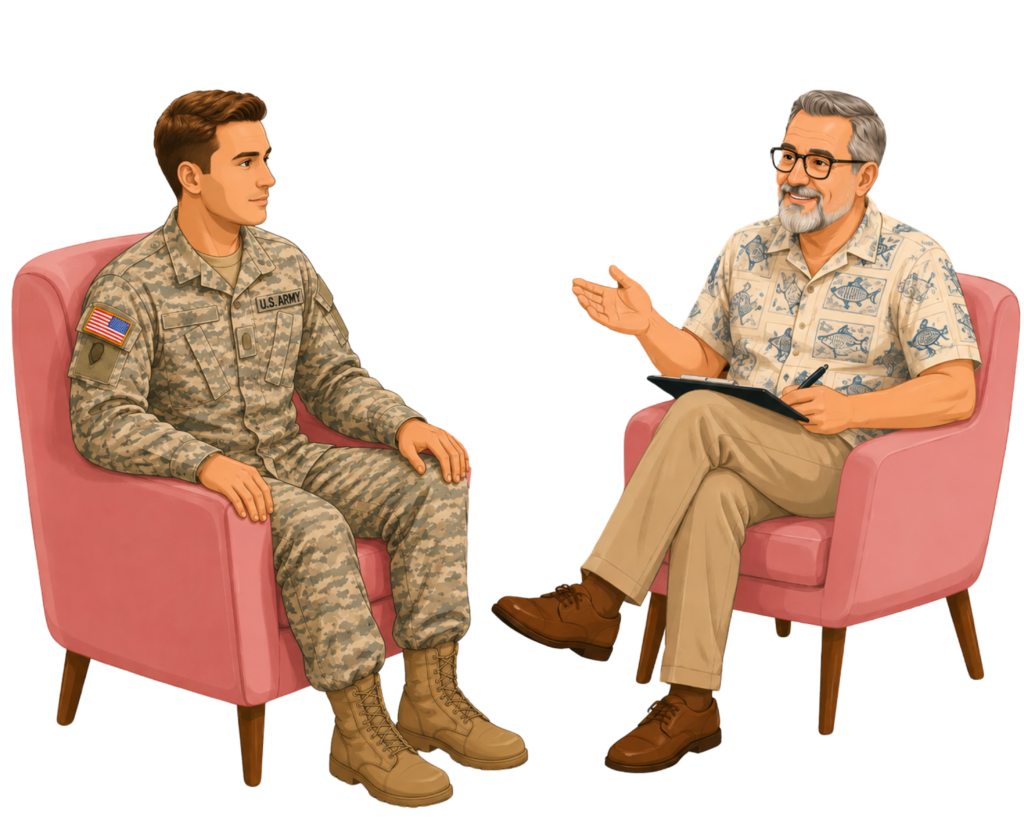
Why MST Is Rarely Talked About
Military sexual trauma carries a particular kind of silence. Survivors often serve alongside the person who hurt them, sometimes for years afterward. That reality alone makes MST different from other experiences of trauma, and it makes talking about it feel riskier than most people outside the military will ever understand.
I offer MST coaching for survivors who are ready to talk, even if they’ve never said the words out loud before. Some people I work with left the military years ago and still haven’t told anyone. Others are still serving and carrying it quietly, unsure who they can trust. Both situations deserve a private, judgment-free space.
Help for MST survivors often starts with just being believed. I won’t ask you to relive details you’re not ready to share. My job is to listen, respect your pace, and help you think through what support looks like for you right now.
Areas of Focus in My MST Coaching Sessions
Every survivor's experience with MST is different, and coaching respects that. Some sessions focus on trust and safety. Others center on rebuilding a sense of self after service.
- Difficulty trusting others after military service
- Shame that doesn't belong to the survivor
- Anxiety around authority figures or command structures
- Avoidance of military spaces or reminders
- Strained relationships with partners or family
- Feeling unsafe even in familiar settings
- Anger toward the system or command response
- Isolation from other veterans or service members
- Difficulty discussing the experience with anyone
- Loss of confidence in personal judgment
- Struggles with intimacy or closeness
- Uncertainty about reporting or seeking further help
Why Survivors Choose to Work With Me
An autism evaluation uses evidence-based measures and typically includes:
Four years aboard Navy submarines taught me how military culture works from the inside. That understanding shapes how I approach every conversation with survivors of MST. I know how hard it can be to speak honestly about something that happened within the ranks. I served during the Cold War and spent years as someone shipmates trusted with hard conversations. That trust is something I carry into every session.
- Four years of Navy submarine service
- Firsthand understanding of military command structure
- Trained in contemplative coaching methods
- Experience listening without judgment or pressure
- Faith-informed approach when it fits
- Strict confidentiality in every conversation
- Sessions available in person or online
MST counseling Oregon survivors search for often comes down to one thing, finding someone who won’t make them explain themselves twice. I aim to be that person.
What to Expect When We Talk
Growing Prevalence and the Power of Early Intervention
Our first conversation moves at your pace, not mine. You won’t be asked to explain what happened in detail before you’re ready. Some survivors want to talk right away. Others need several sessions just to feel safe enough to speak at all. Either way, I follow your lead.
Coaching does not diagnose or treat trauma the way a clinician does. What I offer is a private, respectful space to process what happened and think through your next step. If your situation calls for medical or clinical care, I’ll tell you honestly and help point you