What the Final Months in Uniform Actually Demand
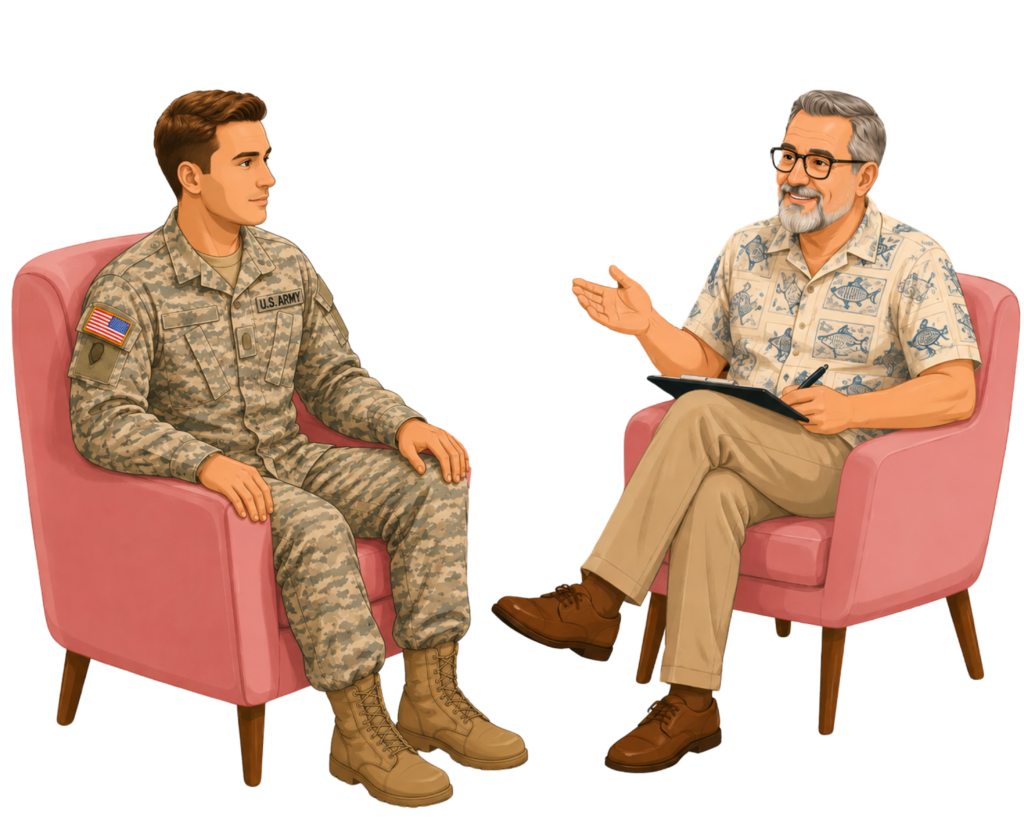
There’s a specific kind of pressure that builds once separation has a date attached to it. TAP classes cover resumes and benefits paperwork, but they rarely touch the part that actually keeps people up at night: who am I going to be when nobody calls me by rank anymore. Military transition coaching exists for that gap, the space between checking boxes and actually feeling ready.
I work with active-duty members who are still months out from separation or retirement, often while they’re still handling full duties, family logistics, and a to-do list that never shrinks. Veteran career and life transition planning works best when it starts early, not in the last thirty days when everything suddenly feels urgent.
Some of what you’re feeling right now isn’t really about a job. It’s about losing a structure that told you exactly who you were for years. That part deserves attention too.
What Comes Up Most in Transition Coaching Sessions
Transition coaching covers more ground than most people expect going in. Some sessions focus on decisions ahead. Others focus on the identity shift nobody warned you about.
- Uncertainty about what civilian work will feel like
- Anxiety about losing military rank and structure
- Family stress tied to relocation or income changes
- Fear of wasting hard-earned benefits and timelines
- Difficulty picturing life without a clear chain of command
- Pressure to have a plan before you're actually ready
- Concerns about translating military skills to civilian roles
- Grief over ending a career that shaped your identity
- Worry about disconnecting from your unit and community
- Overwhelm from stacking paperwork onto daily duties
- Doubt about whether retirement timing is truly right
- Fear of becoming someone you don't recognize yet
A Coach Who Has Walked Out of the Military Too
An autism evaluation uses evidence-based measures and typically includes:
TAP covers logistics. I cover the parts that don’t fit on a checklist, the identity questions, the quiet dread, the sense that you’re leaving something bigger than a job behind. I left the Navy after four years aboard submarines and know firsthand how strange the first year out can feel. Structure disappears overnight. Nobody hands you a new mission. That disorientation is normal, and it’s exactly where coaching becomes useful.
- Personal experience separating from active military service
- Coaching that starts before your separation date arrives
- Focus on identity, not just resumes and job boards
- Sessions that flex around your remaining duty schedule
- Support through the emotional weight of leaving a career
- Faith-informed reflection available for those who want it
- Continued coaching available after your official separation date
Help leaving the military rarely fails because someone lacked information. It fails because nobody addressed the part where your sense of self was tied to the uniform itself.
Building a Plan While You're Still on Active Duty
Growing Prevalence and the Power of Early Intervention
Coaching works best started early, ideally six months to a year before your separation date, though I’ll work with whatever timeline you’re facing. Early sessions often focus on clarifying what you actually want civilian life to look like, separate from what feels expected of you. Later sessions shift toward practical steps, alongside the emotional weight of the countdown itself.
This isn’t career placement or benefits counseling, and I’ll point you toward the right resource if that’s what you need. What I offer is steady support through one of the biggest identity shifts you’ll face, starting now instead of after it’s already happened.