Are the new ways better?
Trauma has a way of quietly reshaping everything. The confidence you once had. The sense of direction. The ability to wake up and feel like the day belongs to you. For many people, difficult experiences do not just leave emotional marks, they fundamentally alter how a person sees themselves and what they believe is possible going forward. A trauma recovery coach works specifically in that space, not to process the past in a clinical sense, but to help someone pick up the pieces and figure out what comes next. If you have been feeling stuck, disconnected, or unsure of who you are after something that changed you, this kind of support might be exactly what is missing.
What Is a Trauma Recovery Coach?
Coaching and therapy are not the same thing, and understanding that distinction matters. A trauma recovery coach does not diagnose conditions, prescribe treatment, or facilitate deep clinical trauma processing the way a licensed therapist does. What they do is work with the practical, forward-facing dimension of recovery.
What Does a Trauma Recovery Coach Do?
They help clients identify where they are, where they want to go, and what is getting in the way. Sessions might involve clarifying values, setting recovery goals, identifying self-limiting beliefs that formed as a result of traumatic experiences, and building the daily habits and routines that support stability and growth. It is structured. It is practical. And it is grounded in the understanding that trauma has real effects on how people think, decide, and relate to others.
How Trauma Recovery Coaching Supports Personal Growth
One thing that sets coaching apart is its orientation. Therapy often looks backward to understand the root of what happened. Coaching looks forward. That does not mean ignoring the past, it means using clarity about the past to build something different in the future. For people who feel ready to move rather than just process, that distinction is significant.
Who Can Benefit From Trauma Recovery Coaching?
People at various stages of their healing journey. Someone who has already done therapeutic work and now needs help translating that insight into real changes in their life. Someone who has experienced a major loss, a difficult relationship, or a career collapse and cannot seem to regain their footing. Veterans navigating civilian life after service. Anyone who feels like they are surviving rather than living.
How Trauma Can Affect Your Life
Trauma does not stay contained to the moment it happened. That is the part people underestimate until they are in the middle of it.
Trauma and Emotional Well-Being
Emotional regulation becomes harder. Small things feel larger than they should. There can be a persistent sense of low-level anxiety, or alternatively, a numbness that settles in where feeling used to be. Neither is comfortable to live with.
Trauma and Relationships
Trust erodes. Boundaries that were never properly established, or were violated, become either too rigid or nonexistent. Many trauma survivors find themselves in relationship patterns that mirror the original wound in ways they do not fully recognize until something forces the recognition.
Trauma and Self-Confidence
This one is subtle but pervasive. Trauma has a way of convincing people that what happened to them reflects something true about who they are. That they deserved it. That they are less capable, less worthy, less whole than people who have not experienced what they have. A trauma recovery coach challenges those beliefs directly.
Trauma and Daily Decision-Making
Decision fatigue, avoidance, and difficulty planning for the future are all common. When the nervous system has been under sustained stress, the cognitive load of ordinary choices becomes heavier than it should be.
Why Moving Forward Can Feel Difficult
Because moving forward feels like leaving behind something important. Sometimes it feels disloyal to the version of yourself that survived. Sometimes it simply feels impossible to imagine a different life when the current one has been the reality for so long.
How Can a Trauma Recovery Coach Help?
The support a trauma recovery coach provides is less about what they say in any single session and more about the consistent structure and accountability they bring to the process of rebuilding.
Help You Understand Your Experiences
Not to relive them. To contextualize them in a way that reduces their power over current behavior. Understanding why certain triggers exist, why certain patterns developed, creates the distance needed to start changing them.
Help You Identify Personal Goals
Many trauma survivors lose a coherent sense of what they actually want. Not what they are supposed to want, not what they wanted before, but what genuinely matters to them now. Coaching helps clarify that.
Help You Build Confidence
Slowly and practically. Through small commitments kept, through evidence gathered over time that the client is capable of doing hard things. Confidence built this way is more durable than confidence built on affirmation alone.
Help You Develop Healthier Routines
Sleep, movement, nutrition, social connection, boundaries around time and energy. These are not peripheral to recovery. They are central to it, and many people need support in actually building and maintaining them.
Help You Find Direction After Difficult Experiences
This might be the single most common reason people seek out a trauma recovery coach. Not because they are in crisis, but because they simply do not know which way to go anymore.
Help You Create a More Positive Future
Which is different from pretending the past did not happen. It means building something intentional on the other side of it.
Can Coaching Help You Rebuild Your Identity?
Trauma fractures the self-narrative. The story someone was telling about their life gets interrupted, and sometimes destroyed, by what happened. Rebuilding identity is not about returning to who you were before. It is about figuring out who you are now, on the other side.
Reconnecting with values that still hold true, even after everything, is usually where this starts. Understanding what has changed and what has not. Building a new sense of purpose that is honest about the difficulty of the journey rather than papering over it. Moving beyond the past does not mean the past disappears. It means it stops being the thing that defines everything.
How Trauma Recovery Coaching Can Help Veterans
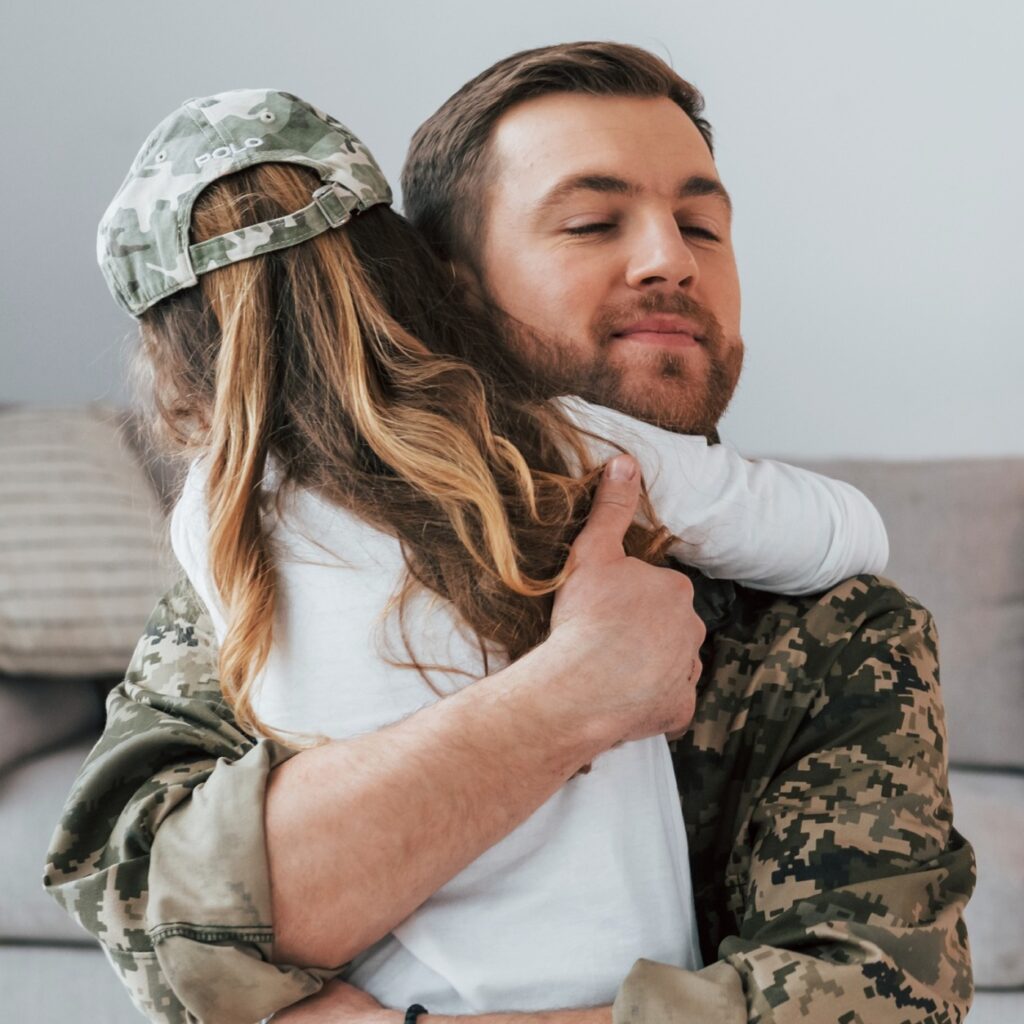
The transition out of military service is one of the most disorienting experiences a person can navigate. The structure, the identity, the relationships, the sense of mission. All of it changes simultaneously. For veterans also carrying the weight of combat trauma, operational stress, or moral injury, that transition becomes exponentially harder.
A trauma recovery coach who understands the veteran experience can help with finding direction after service, which is often less about what career to pursue and more about reconstructing a sense of purpose outside of the military context. Rebuilding confidence in civilian environments where the rules feel different and less explicit. Creating meaning after service, honoring what that chapter meant without being trapped in it.
What Happens During Trauma Recovery Coaching?
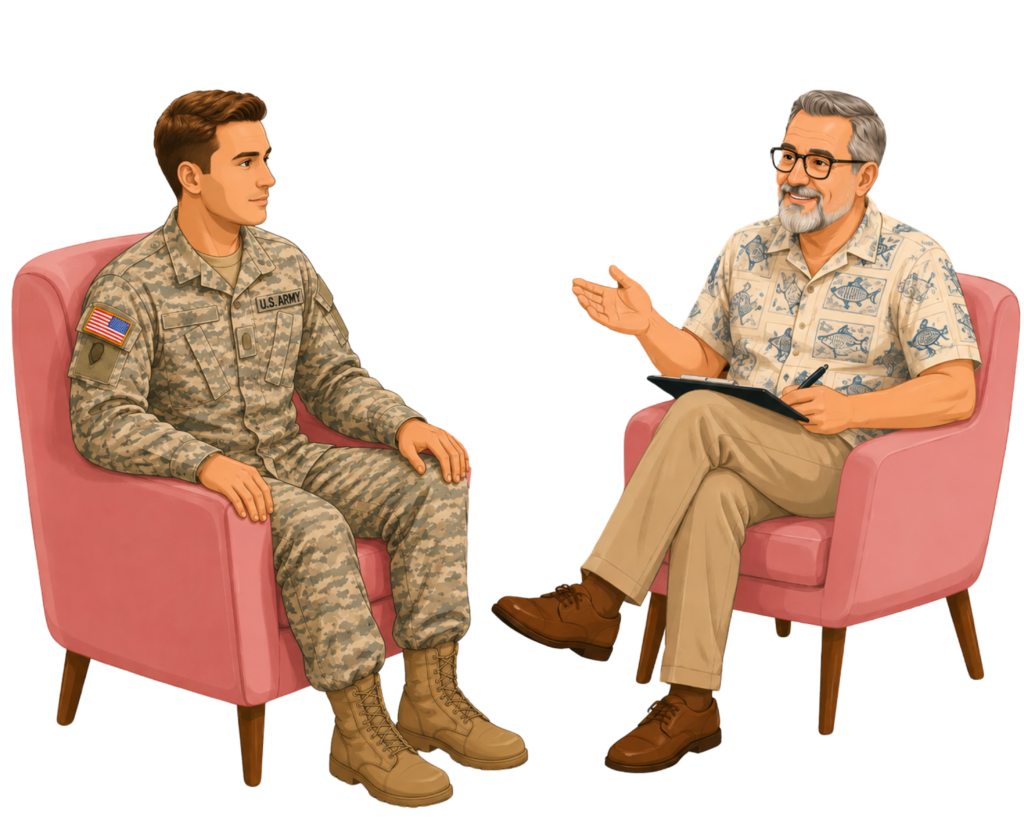
Sessions typically start with an honest assessment of where someone is, not just emotionally, but practically. Where are the stuck points? What is the gap between where they are and where they want to be? From there, specific goals are identified, barriers to those goals are named, and practical strategies are built around closing the distance. Progress is tracked, adjusted when needed, and celebrated when earned.
Signs You May Benefit From a Trauma Recovery Coach
- You feel stuck after something that changed your life
- Direction feels impossible to find
- Your confidence has taken a significant hit
- You feel disconnected from your own sense of purpose
- Major life changes are needed and you do not know where to start
- You want healthier routines and cannot seem to build them alone
- You are genuinely ready to work toward something different
How to Choose the Right Trauma Recovery Coach
Experience with the specific type of trauma you have experienced matters more than general coaching credentials. Ask directly about their approach, what a typical session looks like, and how they measure progress. Find someone whose communication style makes you feel genuinely heard rather than managed. Make sure what they offer actually matches what you need, not just what sounds appealing in a description.
Frequently Asked Questions
Practical rebuilding after trauma. Goal clarification, confidence building, routine development, identity reconstruction, finding direction. Not clinical diagnosis or deep trauma processing, but the forward-facing work of creating a life that reflects who you are now.
No. Therapy is clinical and backward-facing in its orientation, examining the roots of trauma to treat its symptoms. Coaching is practical and forward-facing, focused on what someone is building rather than what they are healing from.
It varies. Some people work with a coach for a few months to address a specific transition. Others benefit from a longer relationship as they rebuild across multiple areas of life. There is no fixed timeline.
Yes, particularly coaches with experience in veteran transitions. The challenges of leaving military service, rebuilding civilian identity, and finding purpose after service are areas where trauma recovery coaching has real practical value.
It is one of the things coaching does best. Clarifying what still matters, identifying what the next chapter could look like, and building the habits and commitments that make that chapter real.
Our value is intrinsic, inherent in who we are and because of who made us. Like the $20 bill, our value is inherent in us because of the reserve it represents. We are human BEINGs, and as such our value is because of who we are, not our doings or sayings. You have value, and you have a unique place that no one else can fill. Your life will touch people that no one else can touch. You have special, unique gifts and talents that only you have, Discover what they are and your unique place and you and those around you will benefit from your discovery and will be fuller as a result.
Positive Motivators
- Henry Wadsworth Longfellow, The Contemplative Counselor; Fortress Press, 2011, p 64
- New American Standard Bible: 1995 update. (1995). (Jn 16:13). La Habra, CA: The Lockman Foundation.
- Ibid, Psalm 46:10
- Nolasko, Rolph R. jr; The Contemplative Counselor; Fortress Press, 2011; p 61
- Ibid
- LifeCrafters Coaching & Support Services LLC
- www.lccoach.org
- david.hooker@lccoach.org
- 503-344-6348
Speaking with clarity and honesty creates space for understanding and meaningful connection.

Author, David Hooker
Timing matters. Important conversations are most productive when both partners are calm, available, and emotionally regulated. Avoid raising sensitive topics during moments of stress or exhaustion. Creating intentional space for conversations allows both partners to engage thoughtfully and respectfully.
Handle Conflict Constructively
Disagreements are normal in any relationship. Focus on addressing the issue rather than criticizing your partner. Stay curious about their perspective, take responsibility for your part, and avoid absolutes like “always” or “never.” Working as a team toward solutions strengthens resilience and mutual respect.
Show Appreciation and Affection
Positive communication isn’t just about resolving problems—it’s also about reinforcing connection. Regularly expressing gratitude, affection, and acknowledgment helps your partner feel valued. Small gestures of appreciation can soften difficult conversations and create a more supportive emotional climate.
Bringing It All Together
Improving communication takes time, patience, and practice from both partners. By listening with intention, speaking honestly, choosing the right moments, managing conflict thoughtfully, and showing appreciation, you create a stronger foundation for connection. Small, consistent changes in how you communicate can lead to deeper understanding, greater emotional safety, and a more fulfilling relationship.