Are the new ways better?
First responders carry weight that most people never see. The accumulated exposure to crisis, trauma, and loss does not simply stay at the job site. It follows people home, affects relationships, disrupts sleep, and often goes unaddressed for years because the culture that makes first responders so effective at their jobs also makes it genuinely hard to ask for help. Trauma coaching has become a meaningful support option for many in this community, distinct from clinical therapy and designed to work with the practical, forward-facing challenges of recovery and rebuilding. Choosing the right program, though, requires knowing what to actually look for.
Why First Responders May Need Specialized Trauma Coaching
The nature of first responder work is unlike most professions. Repeated exposure to critical incidents, the cumulative weight of what is witnessed across an entire career, and the pressure to maintain composure in conditions that would overwhelm most people create a particular kind of psychological burden. The transition from work mode to home life is not a switch that flips cleanly. Many first responders describe feeling more comfortable managing emergencies than sitting quietly in their own house.
Some of these effects linger long after leaving the job. Retirement does not erase the neural pathways shaped by decades of high-stakes work. Specialized trauma coaching accounts for all of this rather than treating the person as a generic client with stress.
What Is Trauma Coaching for First Responders?
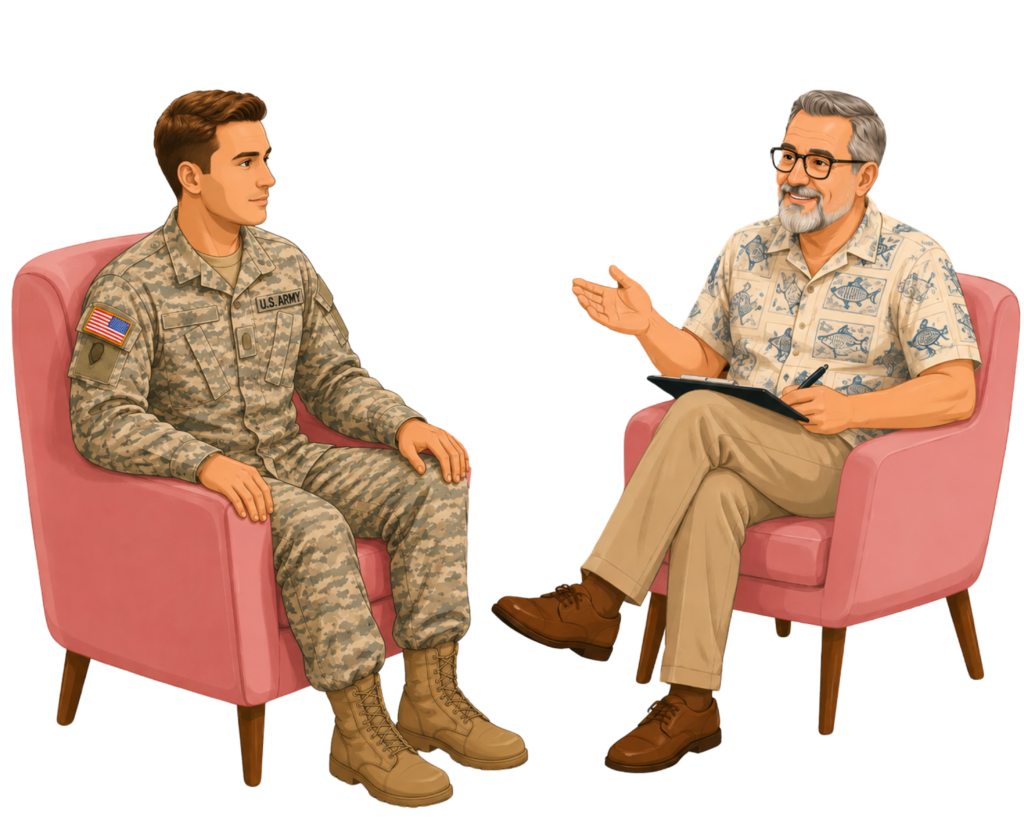
Trauma coaching is a structured, non-clinical form of support focused on helping people move forward after difficult experiences. A trauma coach does not diagnose, does not provide therapy, and does not process traumatic memories in the clinical sense that a licensed mental health professional would. The focus is practical and future-oriented: identifying where someone is stuck, what they want to change, and how to build a clearer, more intentional path forward.
For first responders specifically, effective coaching also requires an understanding of the culture, the language, the hierarchy, and what it actually means to have spent years in that environment. A coach without that grounding will struggle to establish the kind of trust and rapport that makes the work meaningful.
What to Look for in a Trauma Coaching Program
This is where most people get vague when they should get specific. The difference between a good program and a useless one often comes down to a handful of concrete factors.
Experience Working With First Responders
General coaching experience does not automatically translate to effectiveness with this population. Ask directly whether the coach has a track record with police officers, firefighters, paramedics, dispatchers, or other emergency personnel. Experience with the specific culture matters as much as trauma knowledge.
Understanding of First Responder Culture
The values, communication styles, and resistance patterns common in first responder communities are not intuitive to outsiders. A coach who has done real work in this space will not flinch at black humor, will understand the hierarchy dynamics, and will not mistake stoicism for wellness.
Trauma-Informed Coaching Approach
Trauma-informed does not just mean the coach is aware trauma exists. It means their approach actively accounts for how trauma affects behavior, decision-making, and the ability to engage with coaching itself. Pacing matters. Pushing too hard too fast can be counterproductive with people who have developed strong protective mechanisms.
Qualified and Experienced Coaches
Credentials vary widely in the coaching industry. Look for coaches with relevant training in trauma-informed approaches, not just general life coaching certifications. Their background should be visible and verifiable.
Personalized Coaching Plans
A program that applies the same structure to every client regardless of their history, role, or goals is not actually coaching. It is a curriculum. Real coaching is built around the individual.
Confidential and Judgment-Free Support
For first responders, confidentiality is not a minor consideration. Concerns about how information might affect employment, reputation, or standing within the department keep many people from seeking help at all. A clear, honest confidentiality policy is essential before trust can develop.
Does the Program Understand First Responder Trauma?
Police officers face specific stressors that differ from those affecting firefighters, and both differ from what dispatchers or paramedics experience. A program that understands this breadth, that knows critical incident stress, secondary trauma, moral injury, and the particular challenges of shift work culture, is in a meaningfully different category from one that treats all trauma as interchangeable.
Ask whether the program has worked with personnel across different emergency services, not just one. The more specific the experience, the more likely the coach can meet a client where they actually are.
What Services Should a First Responder Trauma Coaching Program Offer?
One-on-One Trauma Coaching
Individual sessions that go beyond surface-level goal-setting. The coaching relationship should feel like a real conversation, not a productivity meeting.
Critical Incident Support
Support that is available when it matters, not just during scheduled sessions. First responders do not experience critical incidents on a convenient timetable.
Stress and Emotional Regulation Coaching
Practical tools for managing the physiological and emotional responses that years of high-stress work have shaped.
Resilience and Coping Skills
Not generic resilience platitudes. Specific, honest work on what actually helps this person function better under the pressures unique to their life.
Family and Relationship Support
The people closest to first responders are often significantly affected by the job. Programs that acknowledge this and can address it directly offer something more complete.
Transition and Life Coaching
Whether transitioning to a new role, a different unit, or retirement, the identity shifts involved require support that generic career coaching rarely provides.
How to Evaluate a Trauma Coach’s Experience
Professional background and training are a starting point, not the whole picture. How a coach communicates matters as much as their credentials. Do they listen more than they speak in an initial conversation? Do they ask questions that suggest genuine understanding of the first responder world? Are they honest about what coaching can and cannot do?
A coach who overpromises is a red flag regardless of their credentials. Effective coaching with this population requires humility about limitations alongside genuine expertise.
Questions to Ask Before Choosing a Trauma Coaching Program
Do not skip this step. These questions reveal more than a website ever will. Does the coach work specifically with first responders, or is this just a service they added? What does a typical coaching engagement actually look like in terms of structure and frequency? Are sessions available in formats that work for shift workers? How is confidentiality handled, in writing, not just verbally? At what point would a client be referred to a licensed mental health professional rather than continuing with coaching?
That last question is particularly important. A coach who cannot answer it clearly, or who implies coaching handles everything, is not someone to trust with this work.
Trauma Coaching vs. Therapy for First Responders
Coaching is not therapy, and the distinction is not just semantic. Therapy, delivered by licensed professionals, addresses the diagnosis and clinical treatment of conditions like PTSD, depression, and anxiety. It can involve trauma processing at a neurological and psychological depth that coaching does not attempt.
Coaching is appropriate when a person is fundamentally stable but struggling with direction, purpose, habits, relationships, or the practical dimensions of rebuilding life after trauma. When someone is in acute distress, when symptoms are severe and significantly impairing daily function, or when clinical intervention is clearly needed, therapy takes priority. A responsible coach makes these referrals without hesitation.
Signs a Trauma Coaching Program May Be a Good Fit
The coach demonstrates genuine familiarity with first responder culture without performing it. The program is built around the individual’s specific situation rather than a packaged curriculum. Communication in initial conversations feels direct and respectful rather than carefully managed. Goals are clearly defined and regularly revisited. The program is honest about what it is not equipped to handle.
Red Flags to Watch for When Choosing a Trauma Coaching Program
Guaranteed outcomes should immediately raise suspicion. Coaching involves human behavior, and anyone claiming predictable results is selling something rather than offering something. One-size-fits-all programs that do not account for role, experience, or individual history are not built for the people they claim to serve.
No relevant first responder experience is a significant gap that good marketing cannot cover. Pressure to commit before asking questions suggests a transactional relationship rather than a genuine one. Any implication that coaching can replace medical or psychological treatment is not just misleading but potentially harmful. And a vague or evasive answer about confidentiality policies is reason enough to look elsewhere.
How to Find the Right Trauma Coaching Program for You
Research the coach rather than the program. Programs are built by people, and the person behind it matters more than the name on the website. Look for coaches who are willing to have a real conversation before any commitment is made. Ask your questions and pay close attention to how they respond, not just what they say but whether they actually engage with what you asked.
Consider your own goals honestly before that conversation. Do you need help figuring out what comes next? Are relationships suffering? Is the transition out of service feeling harder than expected? Knowing what you actually need makes it easier to assess whether a given program is positioned to provide it.
Frequently Asked Questions
It is a structured, non-clinical form of support designed to help first responders navigate the effects of workplace trauma, build practical coping skills, and create a clearer path forward in both professional and personal life.
By providing consistent, individualized support focused on emotional regulation, resilience, relationship health, identity transitions, and the practical challenges of life after high-stress service.
No. Coaching is forward-focused and non-clinical. Therapy addresses diagnosis and treatment of clinical conditions. Both have genuine value and serve different but sometimes overlapping needs.
Look for coaches with documented experience working specifically with emergency services personnel. An initial consultation is the most reliable way to assess fit before committing.
Ask about their specific experience with first responders, how they structure their programs, what their confidentiality policy covers, and when they refer clients to clinical professionals.
Yes, particularly in the period following an incident when a person needs structured support to process the experience practically and rebuild stability. It works best alongside, not instead of, any clinical care that may also be appropriate.
It should be, and any reputable coach will have a clear policy. Ask for it explicitly before starting, and understand the specific limits of that confidentiality.
When symptoms are severe, when daily functioning is significantly impaired, when PTSD or other clinical conditions are suspected, or when the person is in acute distress. Coaching is not a replacement for clinical care in those situations.
Take the Next Step Toward Finding the Right Support
The decision to seek support is not a small one in a culture that prizes self-sufficiency. If you are a first responder who has reached the point of recognizing that what you are carrying deserves proper attention, finding a coach who genuinely understands your world is the right next step. Start with a conversation. Ask your questions. The right program will welcome them.
Positive Motivators
- Henry Wadsworth Longfellow, The Contemplative Counselor; Fortress Press, 2011, p 64
- New American Standard Bible: 1995 update. (1995). (Jn 16:13). La Habra, CA: The Lockman Foundation.
- Ibid, Psalm 46:10
- Nolasko, Rolph R. jr; The Contemplative Counselor; Fortress Press, 2011; p 61
- Ibid
- LifeCrafters Coaching & Support Services LLC
- www.lccoach.org
- david.hooker@lccoach.org
- 503-344-6348
Speaking with clarity and honesty creates space for understanding and meaningful connection.

Author, David Hooker
Timing matters. Important conversations are most productive when both partners are calm, available, and emotionally regulated. Avoid raising sensitive topics during moments of stress or exhaustion. Creating intentional space for conversations allows both partners to engage thoughtfully and respectfully.
Handle Conflict Constructively
Disagreements are normal in any relationship. Focus on addressing the issue rather than criticizing your partner. Stay curious about their perspective, take responsibility for your part, and avoid absolutes like “always” or “never.” Working as a team toward solutions strengthens resilience and mutual respect.
Show Appreciation and Affection
Positive communication isn’t just about resolving problems—it’s also about reinforcing connection. Regularly expressing gratitude, affection, and acknowledgment helps your partner feel valued. Small gestures of appreciation can soften difficult conversations and create a more supportive emotional climate.
Bringing It All Together
Improving communication takes time, patience, and practice from both partners. By listening with intention, speaking honestly, choosing the right moments, managing conflict thoughtfully, and showing appreciation, you create a stronger foundation for connection. Small, consistent changes in how you communicate can lead to deeper understanding, greater emotional safety, and a more fulfilling relationship.