What the Job Can Leave Behind
Years on the job can shape how a person thinks, reacts, and connects with others long after the shift ends. Others notice changes in sleep, relationships, patience, or their sense of purpose. These struggles can surface years later, even when life appears fine from the outside. None of this means you are weak or failing.
I work as a trauma coach for first responders here in Oregon, and I’ve learned that trauma does not follow one pattern. Others struggle with what they witnessed on scene. Others struggle with difficult calls, loss, split-second decisions, or moments that changed how they see the world. Each story deserves to be heard without judgment.
Trauma coaching for Oregon first responders often begins with a simple question: what do I do with everything I have carried for so long? Coaching cannot change the past. It can give you a steady place to talk honestly, understand what is weighing on you, and consider what comes next.
Where Trauma Coaching Can Help First Responders
Every first responder's experience with trauma is different. Others center on identity, relationships, or the challenges of stepping away from the job. Here's where coaching often begins.
- Difficult calls and recurring memories
- Intrusive thoughts connected to the job
- Hypervigilance and constant alertness
- Sleep disruption and recurring nightmares
- Anger, frustration, or emotional reactions
- Emotional numbness or feeling disconnected
- Guilt surrounding decisions made in the field
- Moral injury and unresolved questions
- Strained relationships with family or spouses
- Difficulty trusting people outside the profession
- Loss of identity after stepping back from the role
- Challenges adjusting to life off duty
Why My Background Shapes How I Coach
An autism evaluation uses evidence-based measures and typically includes:
Four years aboard Navy submarines taught me things textbooks never could. That experience shapes how I listen, how I ask questions, and how I support first responders working through trauma. I don’t approach this work as an outsider studying the culture from a distance. I served during the Cold War, led shipmates through hard conversations, and learned firsthand how important it is to have someone steady nearby when life feels heavy.
- Four years of Navy submarine service
- Firsthand understanding of high-stress service culture
- Trained in contemplative coaching methods
- Experience listening to others in crisis
- Faith-informed approach when it fits
- No judgment, no need to explain the job
- Sessions available in person or online
Trauma coaching works best when the person offering it understands the weight behind the badge, the uniform, or the radio. That understanding is not something I learned in a classroom. I lived a version of it.
What to Expect From Our First Conversation
Growing Prevalence and the Power of Early Intervention
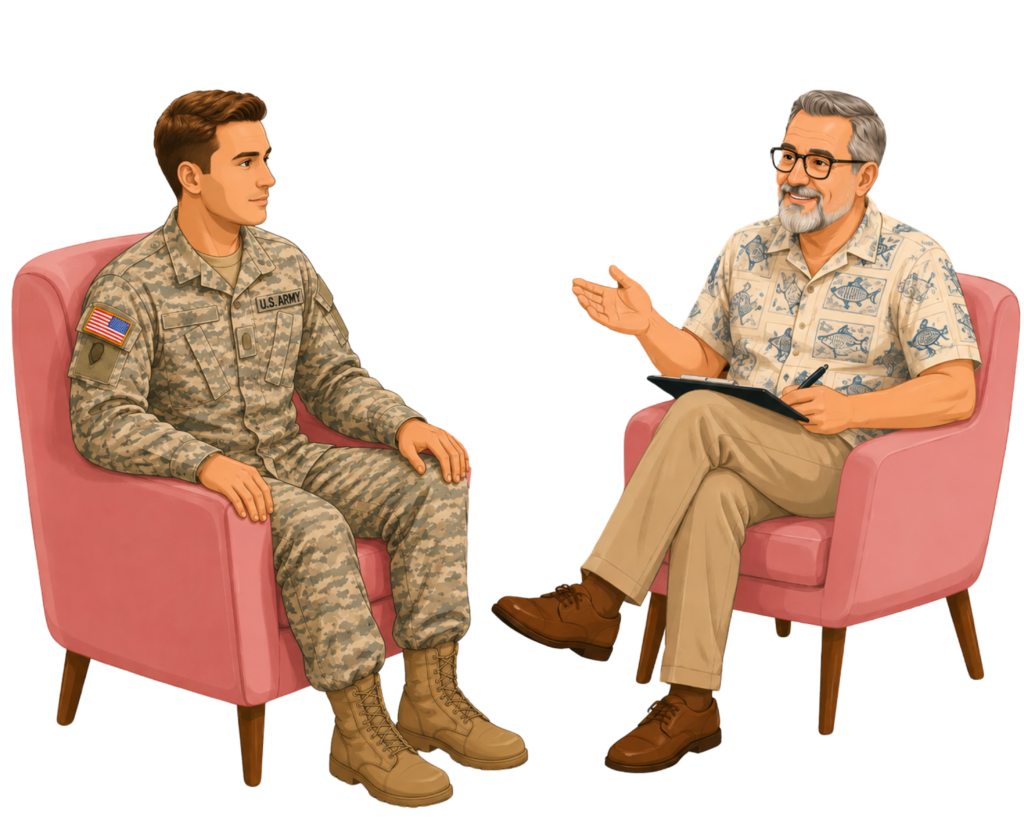
Our first conversation won’t feel like an intake form. I’ll ask what’s happening for you and listen without rushing you toward conclusions. Some first responders want to discuss specific calls right away. Others need time before they feel comfortable opening up. Both are completely fine.
Coaching does not diagnose or treat PTSD or other mental health conditions the way a clinician does. What I offer is a steady, judgment-free space to process what you’re carrying and think through your next step. If your situation calls for medical or clinical care, I’ll tell you honestly and point you toward the right resource.