Are the new ways better?
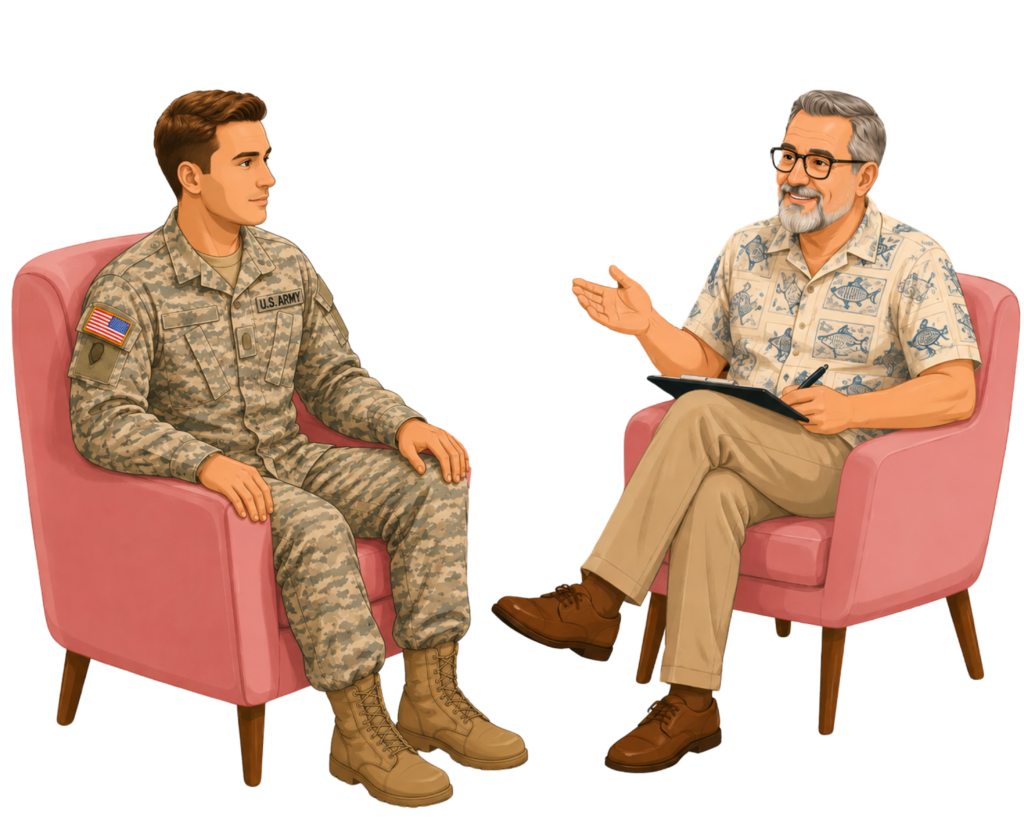
People who run toward emergencies for a living do so at a cost that isn’t always visible. Firefighters, police officers, EMTs, paramedics, and other emergency personnel absorb traumatic experiences as a routine part of the job, and the cumulative weight of that exposure doesn’t always stay contained to working hours. PTSD in first responders is a well-documented reality, and it affects people across every emergency discipline. Understanding what causes it, what risk factors make it more likely, and what the warning signs look like is an important starting point for anyone working in or alongside these professions.
What Is PTSD in First Responders?
Post-traumatic stress disorder is a mental health condition that develops in some people following exposure to traumatic events. It’s not a sign of weakness. It’s a response by the brain and nervous system to experiences that exceeded what the person could process and integrate normally.
Most people associate PTSD with a single catastrophic event. For first responders, the picture is often different. A paramedic doesn’t respond to one traumatic call in a career. A firefighter doesn’t witness one death. Police officers can accumulate years of violent incidents, homicides, and tragic scenes that each leave some residue, even when no single event seems definitive. First responder PTSD can develop from one particularly severe or life-threatening experience, from repeated exposure over time, or from both simultaneously. The mechanism doesn’t require a single catastrophic moment, though those certainly contribute.
What Causes PTSD in First Responders?
Repeated Exposure to Traumatic Events
The sheer volume of traumatic calls is something civilian life doesn’t prepare anyone for. Over a career, the exposure accumulates in ways the nervous system struggles to fully process. Each incident may seem manageable in isolation. The aggregate is something else.
Responding to Serious Injuries and Death
Arriving at scenes where people are critically injured or dying, sometimes including children, is a routine part of emergency work. The emotional and psychological toll of this, particularly when outcomes are poor despite best efforts, is significant.
Witnessing Violence or Disasters
Mass casualty events, violent crimes, natural disasters. First responders are present at these scenes in professional capacity, expected to function effectively while witnessing things most people will never encounter in a lifetime.
Life-Threatening Situations
Active shooter situations, structural fires, violent confrontations. When a first responder’s own safety is directly at risk, the traumatic impact intensifies. Near-death experiences within the job itself are a distinct and serious contributor.
Cumulative Work-Related Trauma
Sometimes there’s no single event. The accumulation of difficult calls over years, without adequate processing or recovery, creates a kind of erosion. Cumulative trauma is less dramatic than a single incident but no less real in its effects.
Risk Factors for PTSD in First Responders
Repeated Exposure to Trauma
The more frequent the exposure, and the more severe the incidents, the greater the risk. High call volume in certain specialties, urban environments, or during crisis events significantly increases a first responder’s cumulative trauma load.
Previous Traumatic Experiences
Pre-existing trauma history, whether from childhood, military service, or previous work exposure, affects how the brain processes subsequent traumatic events. It doesn’t disqualify someone from the work, but it does represent an elevated risk factor.
Lack of Social Support
Isolation, whether from organizational culture that discourages vulnerability, strained family relationships, or simple geographic disconnection from community, removes one of the most protective factors against PTSD. People who can talk about what they’re carrying tend to carry it better.
High Levels of Occupational Stress
Understaffed departments, administrative pressure, mandatory overtime, bureaucratic frustration layered on top of already traumatic work. Occupational stress that isn’t related to trauma still depletes the psychological resources available for processing it.
Difficulty Processing Traumatic Experiences
Some people, for a combination of neurological, psychological, and circumstantial reasons, have more difficulty integrating traumatic memories. Avoidant coping strategies, though common in high-performance professional cultures, tend to delay and worsen this.
Poor Sleep and Chronic Stress
Sleep is when the brain processes emotional experience. Chronic sleep disruption from shift work, stress, or early PTSD symptoms creates a feedback loop where processing capacity diminishes exactly when it’s most needed.
What Are the Warning Signs of PTSD in First Responders?
Intrusive Memories and Flashbacks
Unwanted, vivid memories of specific incidents that intrude into waking consciousness. Not just remembering something, but re-experiencing it with sensory and emotional intensity that feels disturbingly present.
Avoidance of People, Places, or Situations
Deliberately avoiding anything that might trigger memories of a traumatic event. This can mean driving different routes, avoiding certain topics of conversation, or withdrawing from situations that previously felt normal.
Changes in Mood and Thinking
Persistent negative beliefs about oneself or the world. Feeling detached from other people. Loss of interest in activities that previously mattered. A flattening of positive emotional experience that isn’t explained by other circumstances.
Increased Anxiety or Irritability
Heightened reactivity, shorter fuse, anxiety that feels disproportionate to immediate circumstances. Sometimes presenting as anger rather than fear, which in professional environments can obscure what’s actually happening.
Sleep Problems and Nightmares
Difficulty falling asleep, staying asleep, or nightmares with content related to traumatic events. Sleep disruption both reflects and worsens PTSD symptoms and often appears early.
Being Constantly on Guard
A sustained sense of threat that doesn’t switch off. Hypervigilance is functional in an emergency environment and can be one reason early PTSD symptoms get normalized or misattributed to professional habits.
How PTSD Can Affect First Responders
Work performance changes in ways that aren’t always obvious at first. Concentration difficulties, slowed reaction times, and emotional reactivity all affect job performance and safety in fields where both matter enormously.
Relationships take substantial strain. Partners and family members often experience the withdrawal, irritability, and emotional unavailability of PTSD without understanding what’s driving it. The resulting relationship deterioration adds to the isolation and compounds existing symptoms.
Sleep disruption reshapes daily routines in ways that cascade into everything else. Fatigue affects emotional regulation, decision-making, and physical health simultaneously. And the withdrawal from social connection that commonly accompanies PTSD strips away the relationships that would otherwise provide support.
Can PTSD Develop After One Traumatic Event?
Yes, unambiguously. A single severe, life-threatening, or particularly horrific event can trigger PTSD regardless of how many years someone has worked in emergency services or how psychologically resilient they are otherwise. Duration of exposure is a risk factor, not a prerequisite. A first responder on their second year of service is as capable of developing PTSD from one traumatic call as someone with twenty years of experience.
How Is PTSD in First Responders Treated?
Trauma-Focused Therapy
Therapeutic approaches specifically designed to address trauma, rather than general counseling, tend to produce better outcomes for PTSD. Working with a clinician experienced in trauma is worth seeking out deliberately.
Cognitive Behavioral Therapy
CBT for PTSD addresses the thought patterns and behavioral responses that maintain symptoms. It’s one of the more extensively studied approaches for trauma recovery and widely used in first responder mental health support.
Eye Movement Desensitization and Reprocessing
EMDR uses bilateral stimulation during guided recall of traumatic memories to support the brain’s natural processing mechanisms. It has accumulated strong evidence for PTSD treatment across multiple populations including first responders.
Peer and Social Support
Peer support programs within emergency services provide access to people who understand the specific culture and experience of the job. That shared context makes disclosure less fraught and support more credible.
Professional Mental Health Support
A licensed mental health professional with PTSD experience is the appropriate clinical resource. Not every therapist has the training or experience to work effectively with trauma, so specificity in seeking care matters.
How Can First Responders Cope With Trauma?
Talking with someone you trust, whether a peer, a partner, or a professional, remains one of the most consistently useful tools available. Maintaining healthy sleep habits matters more than most people give it credit for, particularly in shift-work environments where sleep quality requires deliberate effort.
Staying connected with people outside the job provides perspective and relationship continuity that purely work-based social networks don’t offer. Learning to recognize personal stress signals early creates more options for managing them before they compound. And seeking professional support proactively, before symptoms become entrenched, is genuinely easier than waiting until function is significantly impaired.
When Should a First Responder Seek Help for PTSD?
When symptoms persist beyond a few weeks rather than fading. When work performance is affected, or when functioning at home becomes difficult. Severe sleep problems, avoidance of everyday activities, and persistent anxiety are all signals worth acting on.
Relationship difficulties that seem connected to the emotional changes accompanying trauma exposure, persistent fear or distress that doesn’t respond to normal coping, and any thoughts of self-harm or suicide require immediate professional or emergency support. That last point isn’t something to manage alone or work through privately. It warrants a direct conversation with a qualified mental health professional or emergency services without delay.
How Can You Support a First Responder With PTSD?
Listen Without Judgment
Being present without offering unsolicited analysis or trying to fix things is more useful than it sounds. The opportunity to talk without being judged or redirected is something many first responders with PTSD rarely get.
Encourage Professional Support
Gently, without pressure or ultimatums. The decision to seek help is personal. Your role is to make it easier, not to force a timeline.
Respect Their Boundaries
Pushing someone to talk before they’re ready tends to increase withdrawal rather than reduce it. Consistency and patience communicate safety more effectively than urgency.
Stay Connected
Check in without requiring reciprocation. Isolation worsens PTSD, and sustained connection from people who don’t demand anything in return creates a safety net that matters over time.
Learn About PTSD and Trauma
Understanding what PTSD actually is, rather than working from assumptions, changes how you interpret behavior that might otherwise seem confusing or hurtful. Education is a practical form of support.
Frequently Asked Questions
Intrusive memories, flashbacks, avoidance of reminders, sleep disruption, nightmares, heightened irritability, emotional numbing, and hypervigilance are among the most frequently reported symptoms.
Yes. Cumulative trauma exposure is a well-established pathway to PTSD. It doesn’t require a single dramatic event, though those also contribute.
It can. Delayed-onset PTSD is recognized clinically and occurs when symptoms emerge months or years after the original exposure, sometimes triggered by subsequent stress or a related event.
Without treatment, symptoms can persist for years. With appropriate professional support, many people experience significant improvement. Duration varies considerably by individual, treatment approach, and the nature of the trauma involved.
Substantially. Emotional withdrawal, irritability, sleep disruption, and avoidance behaviors all affect partners and family members directly, often creating relationship strain that compounds the original problem.
Licensed mental health professionals with trauma experience, peer support programs within emergency services, employee assistance programs, and PTSD-specific treatment centers are all options worth exploring based on individual circumstance and preference.
Getting Support for PTSD in First Responders
PTSD in first responders is common, underreported, and treatable. Recognizing the warning signs, understanding the risk factors, and knowing when symptoms have crossed from manageable to something that requires professional attention are all meaningful steps. Emergency personnel carry an enormous amount so that others don’t have to. That service doesn’t require suffering in silence. Anyone experiencing persistent PTSD symptoms is encouraged to speak with a qualified mental health professional who can provide appropriate, individualized support.
Positive Motivators
- Henry Wadsworth Longfellow, The Contemplative Counselor; Fortress Press, 2011, p 64
- New American Standard Bible: 1995 update. (1995). (Jn 16:13). La Habra, CA: The Lockman Foundation.
- Ibid, Psalm 46:10
- Nolasko, Rolph R. jr; The Contemplative Counselor; Fortress Press, 2011; p 61
- Ibid
- LifeCrafters Coaching & Support Services LLC
- www.lccoach.org
- david.hooker@lccoach.org
- 503-344-6348
Speaking with clarity and honesty creates space for understanding and meaningful connection.

Author, David Hooker
Timing matters. Important conversations are most productive when both partners are calm, available, and emotionally regulated. Avoid raising sensitive topics during moments of stress or exhaustion. Creating intentional space for conversations allows both partners to engage thoughtfully and respectfully.
Handle Conflict Constructively
Disagreements are normal in any relationship. Focus on addressing the issue rather than criticizing your partner. Stay curious about their perspective, take responsibility for your part, and avoid absolutes like “always” or “never.” Working as a team toward solutions strengthens resilience and mutual respect.
Show Appreciation and Affection
Positive communication isn’t just about resolving problems—it’s also about reinforcing connection. Regularly expressing gratitude, affection, and acknowledgment helps your partner feel valued. Small gestures of appreciation can soften difficult conversations and create a more supportive emotional climate.
Bringing It All Together
Improving communication takes time, patience, and practice from both partners. By listening with intention, speaking honestly, choosing the right moments, managing conflict thoughtfully, and showing appreciation, you create a stronger foundation for connection. Small, consistent changes in how you communicate can lead to deeper understanding, greater emotional safety, and a more fulfilling relationship.