Are the new ways better?
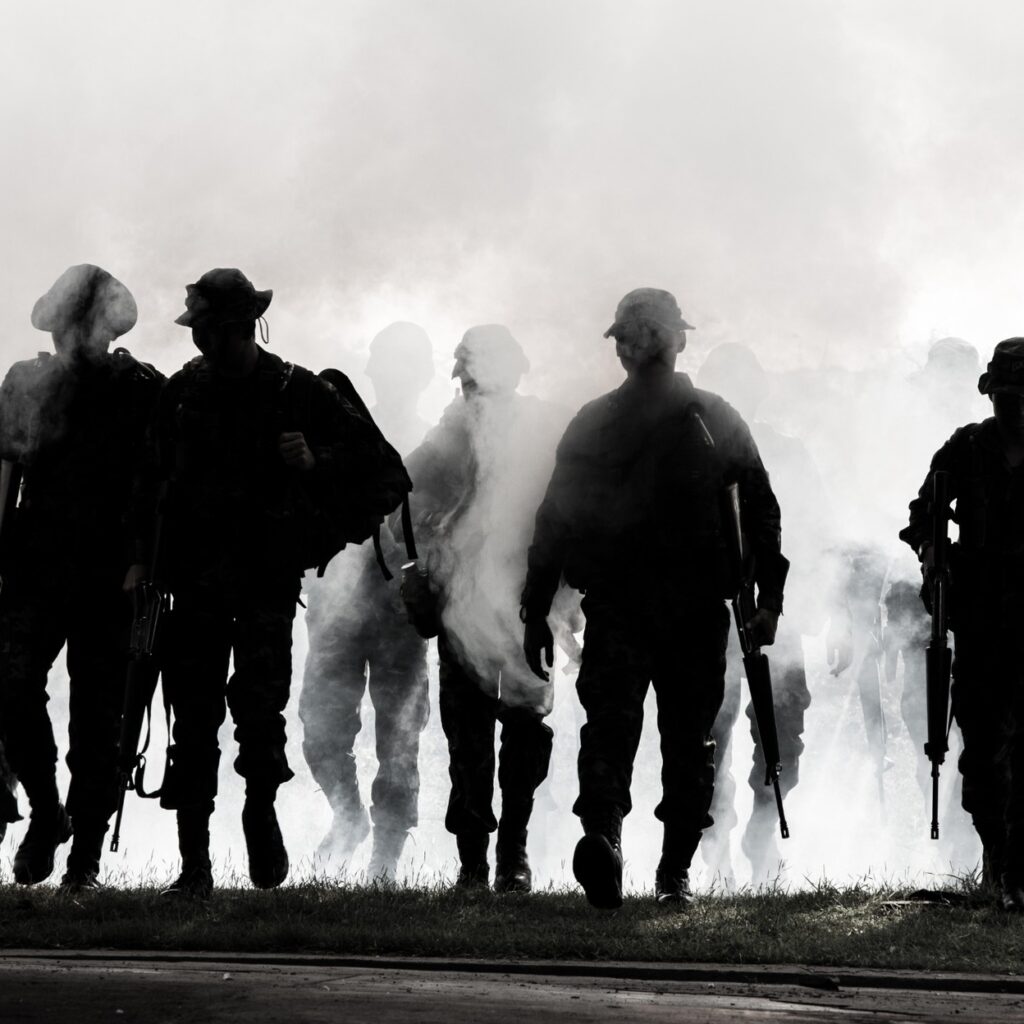
Police officers, firefighters, EMTs, paramedics, and dispatchers don’t get much downtime between calls, at least not the kind that actually lets the nervous system reset. One emergency ends and another starts, and the body doesn’t always get the memo that the danger has passed. Over time, this pattern can turn into something more persistent than everyday job stress. Chronic stress in first responders is common, and it doesn’t always look the way people expect. This article covers what causes it, how it shows up, how it affects life outside work, and what actually helps.
What Is Chronic Stress in First Responders?
Short-term stress fades once the immediate threat is gone. Chronic stress doesn’t work that way. It builds from repeated exposure to emergencies, constant alertness, and high-pressure decisions made with little time to think them through.
The physical and emotional demands of emergency work don’t stay contained to a single shift. For many first responders, the tension carries over into the next call, the next shift, and eventually into life at home, long after the scene has been cleared.
Why Do First Responders Experience Chronic Stress?
Repeated Exposure to Trauma
Serious injuries, death, violence, and disaster scenes are part of the job for many first responders. Even without a single dramatic incident, this kind of repeated trauma exposure adds up over a career.
High-Stakes Decision Making
Limited time, pressure to act fast, and responsibility for other people’s safety create a level of mental load that most jobs don’t require on a daily basis.
Long Shifts and Sleep Disruption
Overnight shifts and irregular schedules make consistent sleep difficult. Poor sleep and ongoing fatigue then make everything else, including stress, harder to manage.
Emotional Suppression
Workplace culture in many first responder professions doesn’t always leave much room for openly discussing difficult calls. Fear of appearing weak in front of colleagues can push people to bottle things up instead of processing them.
Common Signs of Chronic Stress in First Responders
Chronic stress rarely shows up as one clear symptom. It tends to surface across several areas at once.
Physical Symptoms
- Headaches
- Muscle tension
- Fatigue
- Digestive problems
- Rapid heartbeat
- Sleep problems
Emotional Symptoms
- Irritability
- Anxiety
- Emotional numbness
- Feeling overwhelmed
- Persistent worry
- Mood changes
Behavioral Changes
- Social withdrawal
- Avoiding certain situations
- Changes in eating habits
- Increased substance use
- Reduced interest in normal activities
Cognitive Symptoms
- Poor concentration
- Racing thoughts
- Forgetfulness
- Difficulty making decisions
How Chronic Stress Can Affect First Responders’ Mental Health
Left unaddressed, chronic stress can contribute to anxiety, depression, burnout, and difficulty relaxing even when off duty. Hypervigilance, that constant sense of needing to stay alert, often lingers well after a shift ends.
It’s worth being clear about one thing: chronic stress does not automatically mean someone has PTSD. PTSD involves specific diagnostic criteria and needs to be assessed by a qualified mental health professional. Chronic stress and PTSD can overlap, but they aren’t the same thing, and treating them as interchangeable doesn’t do anyone any favors.
Chronic Stress and First Responder Burnout
Burnout tends to develop from chronic stress that’s gone unmanaged for too long. It typically shows up through three patterns: emotional exhaustion, growing detachment or cynicism toward the job, and a shrinking sense of effectiveness in doing it well.
Burnout doesn’t stay confined to work performance either. It can spill into relationships, drain motivation, and chip away at overall quality of life in ways that aren’t always obvious to the person experiencing it.
How Chronic Stress Can Affect Life Outside the Job
Stress from the job doesn’t clock out at the end of a shift. It can affect relationships, family life, sleep, and social activities, along with someone’s ability to relax or stay emotionally present with the people around them.
It’s entirely possible to look fine at work while struggling privately at home. That gap between the two is more common than people realize, and it’s often family members who notice the change first.
Healthy Ways to Manage Stress as a First Responder
Prioritize Consistent Sleep
Shift work makes this genuinely hard, but even a consistent wind-down routine can help protect what sleep is available.
Stay Physically Active
Walking, strength training, or stretching won’t erase chronic stress, but regular movement gives the body a way to release built-up tension.
Make Time to Decompress
Creating some kind of military transition between work and home, even a short one, can help prevent the intensity of a shift from bleeding straight into family time.
Talk to Someone You Trust
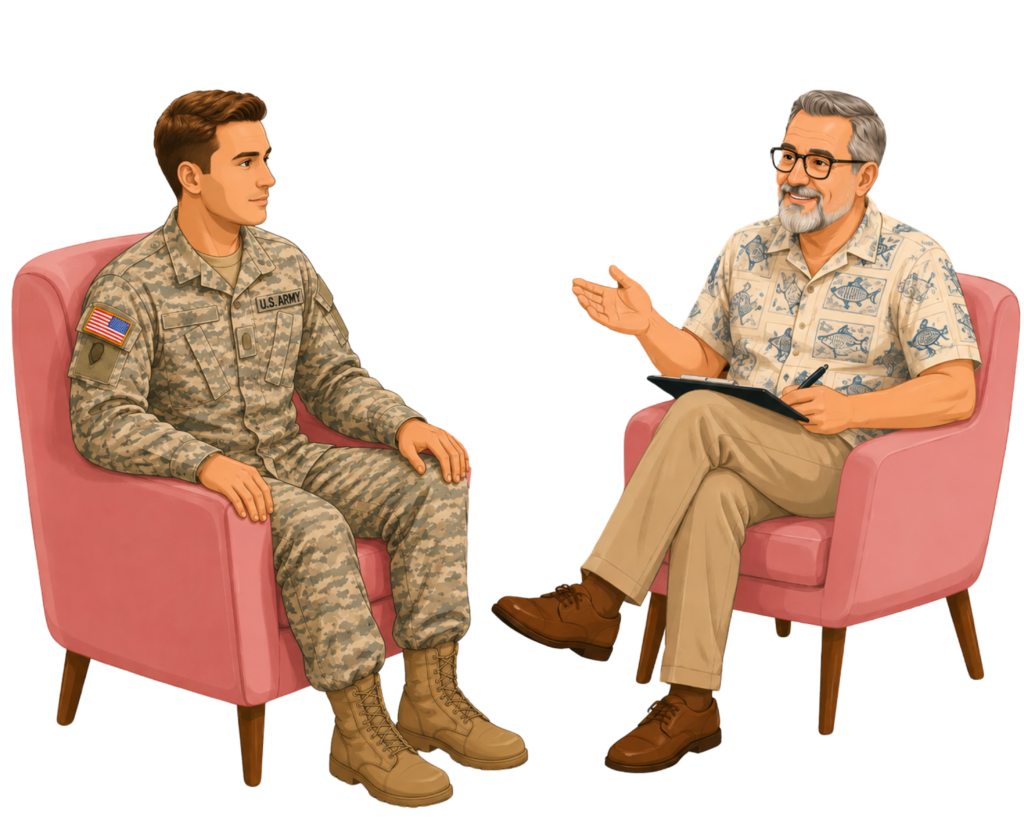
Conversations with trusted peers, family, or a counselor can make a real difference, particularly in a field where keeping quiet is often the default.
Learn Stress Management Skills
Breathing exercises, grounding techniques, mindfulness, and other relaxation practices can help in the moment. They’re not a cure, but they’re useful tools alongside other support.
When Should a First Responder Seek Professional Support?
It’s worth reaching out for help when symptoms last for weeks, sleep problems continue, irritability keeps increasing, or anxiety and emotional numbness start interfering with daily life. Avoiding people or activities, noticeable changes in work performance, and using alcohol or drugs to cope are also signs it’s time to talk to someone.
If there are thoughts of self-harm or suicide, or any concern for immediate safety, contacting emergency services or a local crisis service right away is the appropriate next step.
What Types of Support Can Help First Responders?
Individual counseling offers one-on-one support for stress, trauma, anxiety, and related concerns. Peer support connects people with others who understand first responder culture firsthand, which can make it easier to open up. Trauma-informed therapy gives people a structured way to process difficult experiences with a qualified professional. Family support matters too, since spouses and family members are often affected right alongside the first responder. Many departments also offer employee assistance programs, which can be a good starting point for accessing mental health resources.
Frequently Asked Questions
Chronic stress usually comes from repeated exposure to traumatic events, high-stakes decision-making, irregular shifts, and a workplace culture that doesn’t always encourage talking about difficult experiences.
Signs include physical symptoms like fatigue and muscle tension, emotional changes like irritability and anxiety, behavioral shifts like withdrawal, and cognitive issues like poor concentration or forgetfulness.
Chronic stress and PTSD are related but distinct. PTSD involves specific diagnostic criteria, and while unmanaged stress can contribute to it, not everyone with chronic stress develops PTSD.
Helpful strategies include consistent sleep habits, regular physical activity, decompression time after shifts, talking to trusted people, and learning grounding or relaxation techniques.
Stress is often situational and tied to specific incidents or demands. Burnout develops over time from unmanaged stress and involves emotional exhaustion, detachment, and reduced effectiveness.
Getting Support for PTSD in First Responders
PTSD in first responders is common, underreported, and treatable. Recognizing the warning signs, understanding the risk factors, and knowing when symptoms have crossed from manageable to something that requires professional attention are all meaningful steps. Emergency personnel carry an enormous amount so that others don’t have to. That service doesn’t require suffering in silence. Anyone experiencing persistent PTSD symptoms is encouraged to speak with a qualified mental health professional who can provide appropriate, individualized support.
Positive Motivators
- Henry Wadsworth Longfellow, The Contemplative Counselor; Fortress Press, 2011, p 64
- New American Standard Bible: 1995 update. (1995). (Jn 16:13). La Habra, CA: The Lockman Foundation.
- Ibid, Psalm 46:10
- Nolasko, Rolph R. jr; The Contemplative Counselor; Fortress Press, 2011; p 61
- Ibid
- LifeCrafters Coaching & Support Services LLC
- www.lccoach.org
- david.hooker@lccoach.org
- 503-344-6348
Speaking with clarity and honesty creates space for understanding and meaningful connection.

Author, David Hooker
Timing matters. Important conversations are most productive when both partners are calm, available, and emotionally regulated. Avoid raising sensitive topics during moments of stress or exhaustion. Creating intentional space for conversations allows both partners to engage thoughtfully and respectfully.
Handle Conflict Constructively
Disagreements are normal in any relationship. Focus on addressing the issue rather than criticizing your partner. Stay curious about their perspective, take responsibility for your part, and avoid absolutes like “always” or “never.” Working as a team toward solutions strengthens resilience and mutual respect.
Show Appreciation and Affection
Positive communication isn’t just about resolving problems—it’s also about reinforcing connection. Regularly expressing gratitude, affection, and acknowledgment helps your partner feel valued. Small gestures of appreciation can soften difficult conversations and create a more supportive emotional climate.
Bringing It All Together
Improving communication takes time, patience, and practice from both partners. By listening with intention, speaking honestly, choosing the right moments, managing conflict thoughtfully, and showing appreciation, you create a stronger foundation for connection. Small, consistent changes in how you communicate can lead to deeper understanding, greater emotional safety, and a more fulfilling relationship.