Are the new ways better?
After combat, a critical incident, emergency response work, or another traumatic experience, a person can carry more than fear. They may feel guilt that will not lift, shame about something they saw or did, anger at people who let them down, or a numbness that keeps them from feeling close to anyone. They may also notice intrusive memories, trouble sleeping, or a constant sense that something bad is about to happen.
Two terms are often used to describe these reactions: moral injury and PTSD. People frequently use them as if they mean the same thing. They do not. For veterans and first responders in Gladstone, Oregon, understanding the difference can help clarify what type of support may be appropriate.
What Is Moral Injury?
Moral injury is not simply feeling bad after a mistake. It is a deeper form of distress that can follow an event that goes against a person’s core moral beliefs.
The VA’s National Center for PTSD describes moral injury as something that can develop after a person takes part in, fails to prevent, or witnesses an act that violates their deeply held values. This can happen through direct action, through a failure to stop something from happening, or through betrayal by someone in a position of trust or authority.
Common experiences connected to moral injury include:
- A sense that a personal moral line was crossed
- Feeling responsible for a bad outcome, even one outside your control
- Watching something happen that you believe should never have happened
- Being ordered to do something, or failing to prevent something, that conflicts with your own sense of right and wrong
- Betrayal by leadership, an institution, or people you trusted
These experiences can produce guilt, shame, anger, and a loss of trust in other people, in institutions, or in yourself. Moral injury can also shake a person’s sense of meaning and purpose. Someone carrying it may struggle to forgive themselves, feel disconnected from their old identity, or question beliefs they once held without doubt.
It is worth being clear about one thing: not everyone who goes through a morally difficult event develops moral injury. Exposure to a distressing event and developing lasting moral injury are two different things, and the research bears this out.
What Is PTSD?
Post-traumatic stress disorder is a recognized mental health condition that can develop after exposure to a traumatic event. It has a defined set of symptoms and specific diagnostic criteria.
People living with PTSD may experience:
- Intrusive memories, nightmares, or flashbacks
- Avoidance of people, places, or reminders connected to the trauma
- Negative shifts in mood and thinking, such as ongoing fear, guilt, or detachment
- Hyperarousal, including feeling constantly on edge, sleep problems, irritability, and an exaggerated startle response
- Trouble concentrating and a sense of never quite feeling safe
A 2026 study using the 2025–2026 National Health and Resilience in Veterans Study, which surveyed 2,636 U.S. veterans, found a lifetime PTSD prevalence of 14.4% and a past-month prevalence of 7.3%, both higher than earlier waves of the same national survey.
PTSD should be assessed by a licensed mental health professional, especially when symptoms are persistent or interfere with work, relationships, or daily functioning. This article cannot and does not diagnose PTSD in any reader.
Moral Injury vs PTSD: The Main Differences
This is the heart of the comparison, and it deserves a direct answer rather than a vague one.
|
Moral Injury |
PTSD |
|
|
Core concern |
Moral conflict or violation of deeply held values |
Trauma-related symptoms following exposure to trauma |
|
Common emotions |
Guilt, shame, anger, grief |
Fear, anxiety, anger, distress |
|
Common thoughts |
“I did something wrong” or “I cannot forgive myself” |
“I am still in danger” or “It could happen again” |
|
Common symptoms |
Shame, guilt, loss of trust, loss of meaning |
Intrusive memories, avoidance, hyperarousal |
|
Formal diagnosis |
Not currently a standalone DSM diagnosis |
Yes |
|
Can occur alone? |
Yes |
Yes |
|
Can occur together? |
Yes |
Yes |
|
Common populations |
Veterans, first responders, healthcare workers, others |
Anyone exposed to qualifying trauma |
PTSD centers on a threat response. The nervous system reacts as if danger is still present, even long after the event has passed. Moral injury centers on a conflict of conscience. The distress comes from what the event meant about right and wrong, not just from fear.
That distinction matters because it points toward different kinds of support. A person dealing mainly with threat-based symptoms may need trauma-focused therapy aimed at the fear response. A person dealing mainly with guilt, shame, and broken trust may need support aimed at repairing meaning, self-forgiveness, and connection.
Moral Injury and PTSD Can Happen Together
A person does not have to pick one category. A single traumatic event, or a string of them over a career, can produce both trauma symptoms and moral conflict at the same time. One incident might leave someone with nightmares, hypervigilance, and avoidance, the hallmark signs of PTSD, alongside guilt, shame, anger, and a loss of trust in leadership, the hallmark signs of moral injury. The VA’s National Center for PTSD is clear that the two are distinct concepts that can appear side by side in the same person.
Understanding which parts of your distress come from fear and which come from moral conflict can help you and a provider figure out what kind of support fits. Treatment aimed only at fear-based symptoms may miss the guilt and shame driving someone’s isolation. Support aimed only at moral repair may miss a nervous system still stuck in threat mode.
Common Signs of Moral Injury
Guilt After a Traumatic Event
Ordinary regret fades with time and reflection. Guilt tied to moral injury tends to stay fixed, often centered on a belief that you did something wrong, failed someone, or should have acted differently, even when that belief does not match what was actually possible in the moment.
Shame and Self-Blame
Shame goes further than guilt. Where guilt says “I did something bad,” shame says “I am bad.” People with moral injury may feel permanently damaged, unworthy of good things, or unable to forgive themselves for something they did or witnessed.
Loss of Trust
Moral injury can affect trust in several directions at once: trust in other people, trust in leadership, trust in institutions, trust in society, and trust in one’s own judgment.
Loss of Meaning or Purpose
An event that conflicts with a person’s values can shake their sense of identity. Someone may no longer feel connected to the beliefs, career, or role that used to define them, and may struggle to find a new sense of purpose.
Anger and Resentment
Anger often follows a sense of betrayal or injustice, and that betrayal can come from a person, a chain of command, or a system that failed to protect someone.
Common Signs of PTSD
- Intrusive memories, nightmares, or flashbacks
- Avoidance of reminders connected to the traumatic event
- Hypervigilance and an exaggerated startle response
- Sleep difficulties
- Emotional distress and irritability
- Trouble concentrating
- Negative changes in mood and thinking
Experiencing one or two of these on their own does not mean a person has PTSD. A pattern of persistent, functionally impairing symptoms is what a clinical assessment looks for.
Moral Injury in Veterans
Military service can place people in situations with no good option. Combat decisions, the loss of fellow service members, witnessing suffering, and choices made under pressure can all create the kind of moral conflict connected to moral injury.
A 2025 nationally representative study of 3,002 U.S. veterans, published in the Journal of Psychiatric Research, found that 44.7% reported exposure to a potentially morally injurious event, and 5.9% of the full sample met the study’s criteria for moral injury. Among veterans who had been exposed to such an event, 13.1% met the criteria. Among those with moral injury, 47.8% showed a mainly shame-related symptom pattern, and 33.3% showed a blended pattern involving both shame and loss of trust.
These numbers make an important point: exposure to a morally difficult event is common among veterans, but developing lasting moral injury is far less common, and it is not automatic.
Moral injury in veterans is closely tied to identity, purpose, relationships, and life after service. Betrayal by leadership or institutions, not just combat itself, is also a recognized source of moral injury in this population.
Moral Injury in First Responders
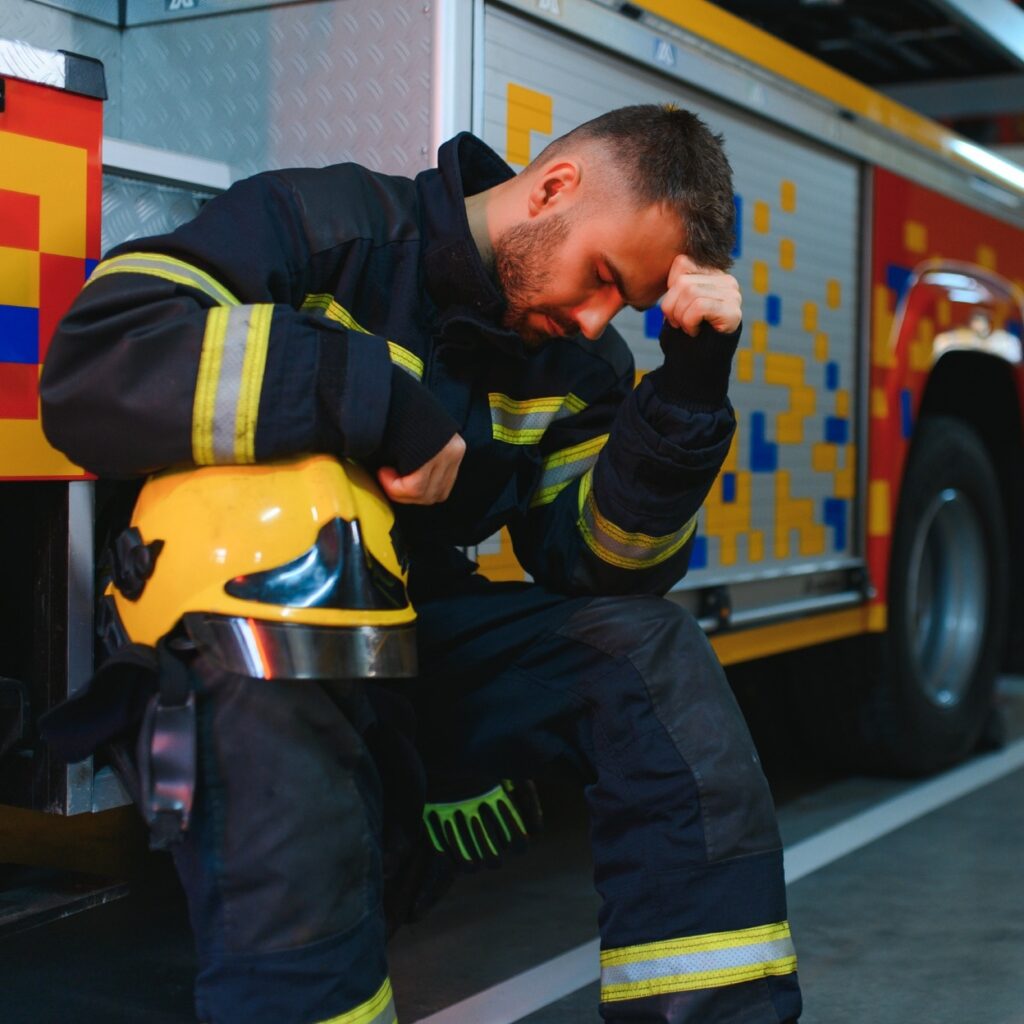
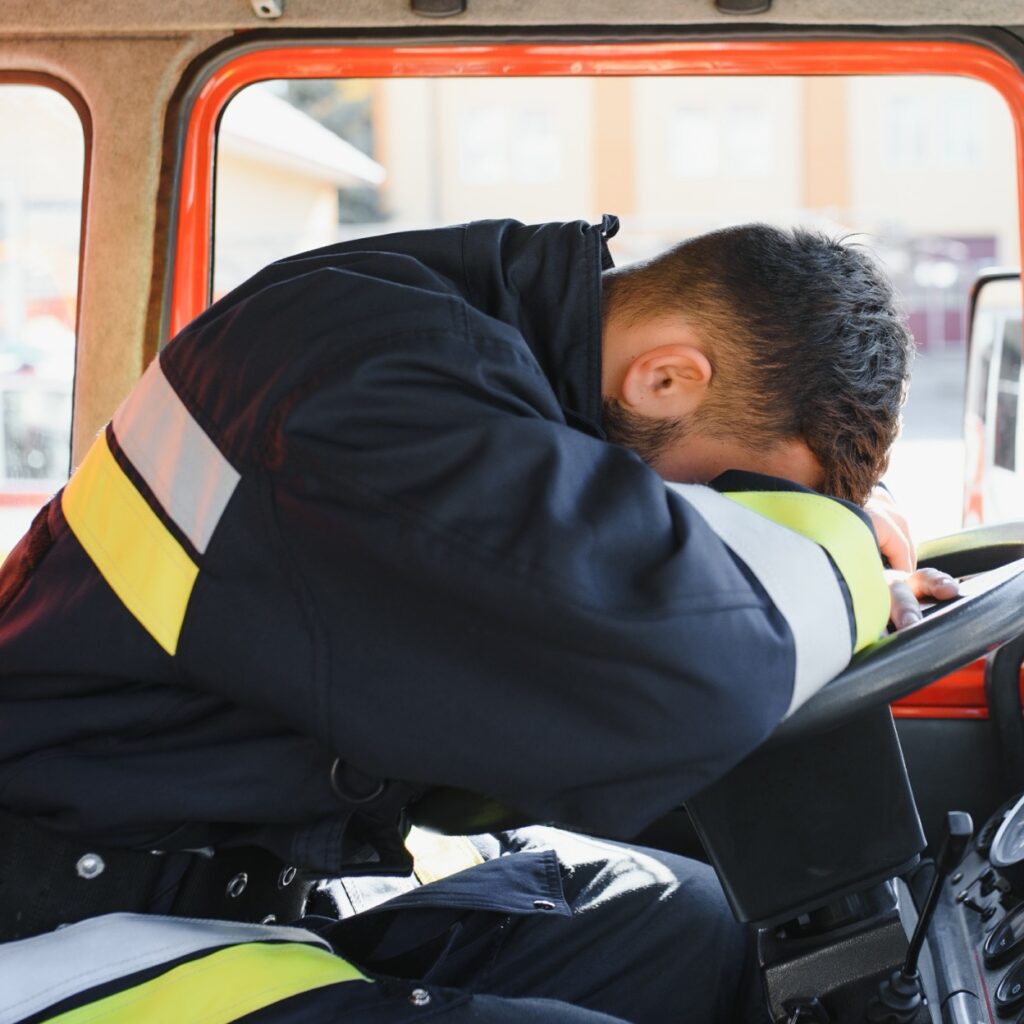
Firefighters, police officers, EMTs, paramedics, and dispatchers face repeated exposure to death, serious injury, children in danger, and split-second decisions with no clean answer. Over time, this can build into moral conflict as well as trauma symptoms.
A 2025 study of firefighters, EMTs, and paramedics at a large urban fire department in California found that 80.8% reported witnessing a potentially morally injurious event, and 48.6% reported doing or failing to do something that went against their own values. Among the participants who were assessed for moral injury symptoms, 18.4% met the study’s threshold for clinically meaningful moral injury, and moral injury symptoms were strongly correlated with PTSD, anxiety, depression, and burnout.
A broader 2026 study using nationally representative U.S. samples found that potentially morally injurious events were reported by 49.3% of combat veterans and 41.6% of first responders, while clinically meaningful moral injury symptoms were reported by 6.5% of combat veterans and 4.1% of first responders. As with the veteran research, this shows that being exposed to a difficult event and developing moral injury are not the same outcome.
Not every difficult call leads to moral injury. But the occupational exposure is real, and it deserves to be taken seriously.
Can Moral Injury Look Like PTSD?
Yes, on the surface. Nightmares, anger, withdrawal, emotional numbness, sleep problems, intrusive memories, difficulty trusting others, and avoidance can show up in both.
The difference is what sits underneath those symptoms. In PTSD, the central concern is trauma-related fear: a nervous system responding as though danger is still active. In moral injury, the central concern is conscience: guilt, shame, betrayal, loss of trust, and a disrupted sense of meaning or identity.
This is not a rigid diagnostic rule. It is a useful lens for understanding what is actually driving a person’s distress.
Can You Have Moral Injury Without PTSD?
Yes. Moral injury and PTSD are distinct concepts, and a person can experience moral injury without meeting the diagnostic criteria for PTSD. Someone can carry deep guilt and shame about an event without having intrusive memories, avoidance, or hyperarousal at a clinical level.
That said, a professional assessment can be useful any time symptoms are persistent, severe, or affecting sleep, relationships, or daily life, regardless of which label fits best.
How Is Moral Injury Addressed?
There is no single universal treatment for moral injury. Support tends to depend on the person, the event, and what is driving their distress. Options that may be appropriate include:
- Trauma-informed mental health care
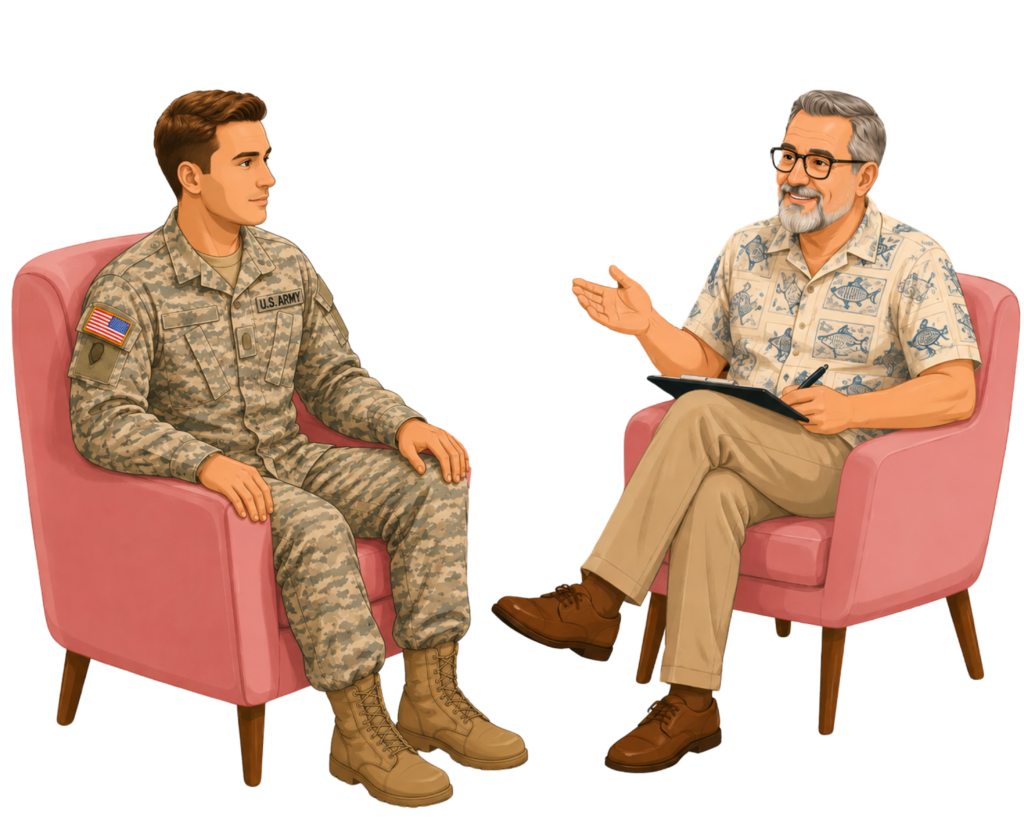
- Psychotherapy focused on guilt, shame, and moral repair
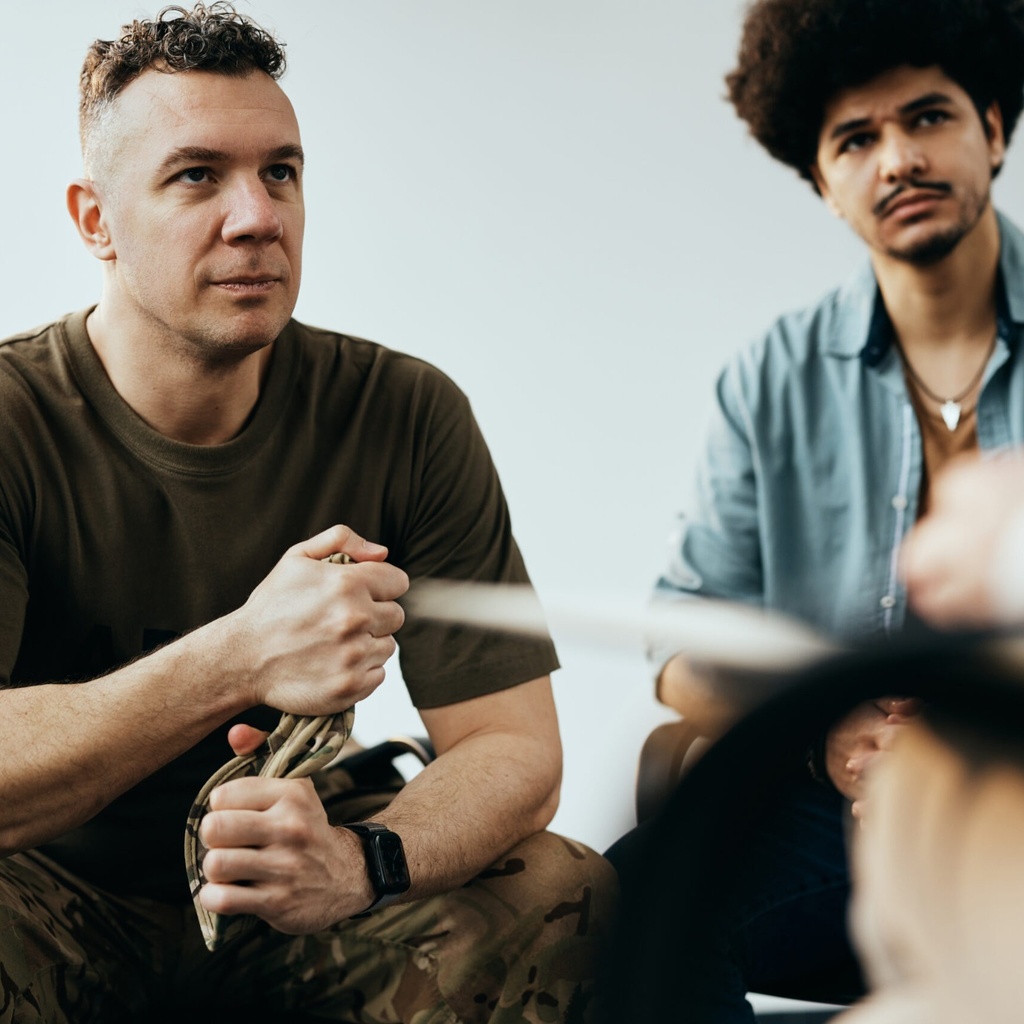
- Peer support with others who understand similar experiences
- Counseling
- Pastoral or spiritual support, when that fits the person
- Trauma coaching focused on values, meaning, identity, and reintegration into civilian or post-incident life
It is worth being direct here: coaching is not psychotherapy, and it is not medical treatment. Coaching can support someone working through questions of meaning, identity, and moving forward. It is not a substitute for clinical care when someone needs it, and it does not treat or cure PTSD.
When Should You Seek Professional Help?
Consider reaching out to a licensed mental health professional if you are experiencing:
- Persistent nightmares
- Severe anxiety
- Intrusive memories that will not let up
- Significant avoidance of people, places, or situations
- Ongoing guilt or shame
- Severe anger
- Isolation from people who care about you
- Relationship problems connected to your symptoms
- Substance misuse
- Trouble functioning in daily life
If you are in immediate danger or having thoughts of suicide, please reach out for help right away. In the United States, you can call or text 988 to reach the Suicide & Crisis Lifeline, available 24 hours a day. If you are outside the U.S., contact your local emergency number or a crisis line in your country.
Frequently Asked Questions
Moral injury centers on a violation of personal moral beliefs, producing guilt, shame, anger, and loss of trust. PTSD is a diagnosable condition centered on trauma-related fear, producing intrusive memories, avoidance, and hyperarousal. They can overlap, but they are not the same thing.
Moral injury and PTSD are separate concepts rather than one condition progressing into another. However, the same traumatic event can produce both moral injury and PTSD symptoms in the same person.
Yes. Research and the VA’s National Center for PTSD both confirm that veterans can experience moral injury and PTSD together, since a single event can involve both threat and moral conflict.
Common signs include persistent guilt, shame, anger, loss of trust in others or institutions, and a disrupted sense of meaning, identity, or purpose.
Yes. Firefighters, police officers, EMTs, and paramedics face repeated exposure to death, injury, and difficult decisions, which research links to higher rates of moral injury symptoms in this group.
Getting Support for PTSD in First Responders
PTSD in first responders is common, underreported, and treatable. Recognizing the warning signs, understanding the risk factors, and knowing when symptoms have crossed from manageable to something that requires professional attention are all meaningful steps. Emergency personnel carry an enormous amount so that others don’t have to. That service doesn’t require suffering in silence. Anyone experiencing persistent PTSD symptoms is encouraged to speak with a qualified mental health professional who can provide appropriate, individualized support.
Positive Motivators
- Henry Wadsworth Longfellow, The Contemplative Counselor; Fortress Press, 2011, p 64
- New American Standard Bible: 1995 update. (1995). (Jn 16:13). La Habra, CA: The Lockman Foundation.
- Ibid, Psalm 46:10
- Nolasko, Rolph R. jr; The Contemplative Counselor; Fortress Press, 2011; p 61
- Ibid
- LifeCrafters Coaching & Support Services LLC
- www.lccoach.org
- david.hooker@lccoach.org
- 503-344-6348
Speaking with clarity and honesty creates space for understanding and meaningful connection.

Author, David Hooker
Timing matters. Important conversations are most productive when both partners are calm, available, and emotionally regulated. Avoid raising sensitive topics during moments of stress or exhaustion. Creating intentional space for conversations allows both partners to engage thoughtfully and respectfully.
Handle Conflict Constructively
Disagreements are normal in any relationship. Focus on addressing the issue rather than criticizing your partner. Stay curious about their perspective, take responsibility for your part, and avoid absolutes like “always” or “never.” Working as a team toward solutions strengthens resilience and mutual respect.
Show Appreciation and Affection
Positive communication isn’t just about resolving problems—it’s also about reinforcing connection. Regularly expressing gratitude, affection, and acknowledgment helps your partner feel valued. Small gestures of appreciation can soften difficult conversations and create a more supportive emotional climate.
Bringing It All Together
Improving communication takes time, patience, and practice from both partners. By listening with intention, speaking honestly, choosing the right moments, managing conflict thoughtfully, and showing appreciation, you create a stronger foundation for connection. Small, consistent changes in how you communicate can lead to deeper understanding, greater emotional safety, and a more fulfilling relationship.