Yes, therapy can help many survivors of military sexual trauma. Evidence-based treatment can support people in processing what happened, managing distressing symptoms, and rebuilding a sense of safety and control in their daily lives. Outcomes vary from person to person, and recovery isn’t a single fixed destination, but research consistently shows that trauma-focused therapy helps reduce symptoms for many survivors.
Military sexual trauma, often shortened to MST, is a term the Department of Veterans Affairs uses to describe sexual assault or repeated, threatening sexual harassment that happened during military service. It’s not a diagnosis itself. It’s an experience that can affect emotional health, relationships, and daily functioning in ways that differ from person to person.
What Is Military Sexual Trauma?
MST refers to experiences of sexual assault or repeated, threatening sexual harassment that occurred during someone’s military service, whether during active duty, training, deployment, or other service-related circumstances. According to the VA National Center for PTSD, this can include being overpowered or physically forced into sexual activity, unwanted sexual touching, threatening sexual advances, or persistent threatening comments about one’s body.
MST can affect people of any gender, rank, branch, or service era. While women experience MST at higher rates, men make up a meaningful share of survivors too, simply because there are far more men than women in the military overall. The identity of the person responsible, and whether the survivor was on or off duty or on or off base at the time, doesn’t change whether an experience counts as MST.
Can Therapy Help With Military Sexual Trauma?
For many survivors, yes. Therapy can help people process traumatic experiences at a pace that feels manageable, understand their trauma responses, and reduce symptoms that interfere with daily life. It can support emotional regulation, help address anxiety and depression, work through PTSD symptoms when they’re present, and improve sleep and relationships.
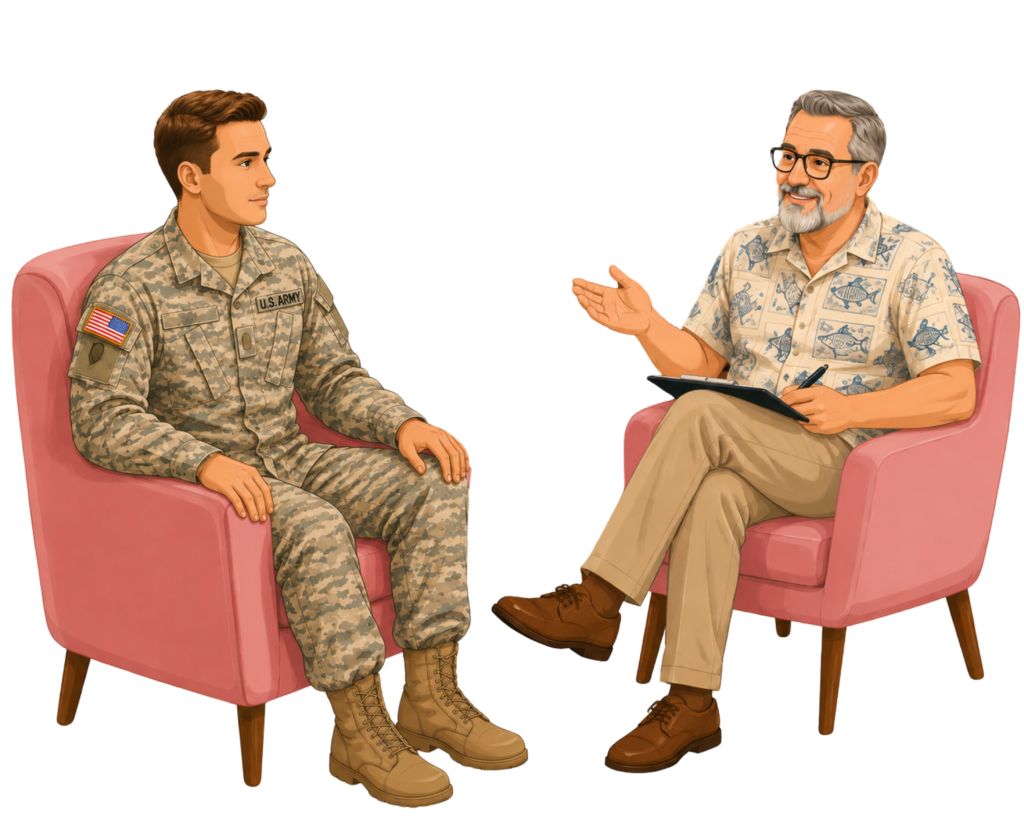
Importantly, therapy doesn’t require someone to immediately discuss every detail of what happened. A trauma-informed therapist works to build trust and safety first, and survivors can set the pace and boundaries of what they share and when. Effective therapy is a collaborative process, not something done to a person.
What Symptoms Can Military Sexual Trauma Cause?
Responses to MST differ significantly between individuals. Some survivors experience intense, persistent symptoms. Others notice milder or more intermittent effects. Neither response is more valid than the other.
Emotional and Psychological Symptoms
Survivors may experience anxiety, depression, fear, shame or guilt, anger, or emotional numbness. Difficulty trusting others and feelings of helplessness are also common, though not universal.
Trauma and PTSD Symptoms
Some survivors develop PTSD symptoms, including intrusive memories, nightmares, avoidance of reminders, hypervigilance, sleep difficulties, an exaggerated startle response, and negative shifts in mood or thinking. MST doesn’t automatically cause PTSD, but research shows it significantly raises the risk. A 2010 VA study of over 125,000 patients found that female veterans with an MST history were nine times more likely to develop PTSD than those without.
Effects on Relationships and Daily Life
Trauma can affect intimacy, trust, communication, work performance, concentration, and everyday routines. These effects aren’t guaranteed for every survivor, but when they occur, they’re a legitimate reason to consider professional support.
What Types of Therapy Are Used for Military Sexual Trauma?
Treatment is individualized, and a therapist typically draws from one or more evidence-based, trauma-focused approaches depending on a survivor’s symptoms, history, and goals.
Cognitive Processing Therapy (CPT)
CPT helps people examine and work through trauma-related beliefs, such as self-blame or distorted thoughts about safety and trust, that often develop after sexual trauma. It’s one of the most researched treatments for PTSD.
Prolonged Exposure (PE) Therapy
PE helps survivors gradually and safely approach trauma-related memories, feelings, or situations they’ve been avoiding, with the guidance of a trained therapist. The goal isn’t to relive the trauma but to reduce its power over daily life.
Eye Movement Desensitization and Reprocessing (EMDR)
EMDR is a structured therapy approach used in trauma treatment that incorporates guided eye movements or other forms of bilateral stimulation alongside processing traumatic memories. It’s widely used for PTSD, though researchers continue to study exactly how it produces its effects.
Cognitive Behavioral Therapy and Other Approaches
CBT and related counseling approaches can help address anxiety, depression, and coping difficulties that often accompany trauma, whether or not a survivor meets criteria for PTSD.
Individualized Trauma-Informed Therapy
The right approach depends on the survivor’s preferences, current symptoms, prior experiences, and comfort level. A good therapist adjusts their approach rather than applying one method to every person.
Military Sexual Trauma Treatment May Include More Than Therapy
Comprehensive care sometimes involves more than one form of support. This can include mental health counseling, PTSD-specific treatment, medication evaluation when clinically appropriate, support groups, peer support, treatment for co-occurring anxiety or depression, sleep support, and relationship counseling. Medication decisions should always be made with a qualified healthcare provider, since they depend on an individual’s full health picture.
What Happens During Military Sexual Trauma Therapy?
Therapy typically follows a general process, though it adjusts based on individual needs: an initial assessment, time spent establishing safety and trust with the therapist, identifying symptoms and treatment goals together, learning coping strategies, trauma-focused work when appropriate, and ongoing monitoring and adjustment of the treatment plan.
Do I have to talk about everything that happened? No. Survivors can discuss their comfort level and boundaries directly with their therapist. Treatment can move at a pace that feels manageable, and a good therapist will respect that. It’s also fair to say that therapy doesn’t always feel easy or comfortable, especially early on, even when it’s genuinely helping.
How Long Does Military Sexual Trauma Treatment Take?
There’s no universal timeline for Military Sexual Trauma Treatment. Treatment length depends on symptoms, the specific therapy approach used, individual goals, whether other mental health concerns are present, prior treatment history, and how someone responds to therapy over time. Some structured therapies like CPT and PE are often delivered over a defined number of sessions, but overall recovery and ongoing support can extend well beyond that structured phase.
How to Find a Therapist for Military Sexual Trauma
When looking for a therapist, it can help to ask directly about their experience with MST, PTSD, sexual trauma, trauma-focused therapy, and working with veterans and service members specifically. Useful questions include:
- Do you have experience treating military sexual trauma?
- Which trauma-focused therapies do you use?
- How do you approach treatment for PTSD?
- How do you help clients who feel uncomfortable discussing traumatic experiences?
- What can I expect during the first appointment?
When Should Someone Seek Help for Military Sexual Trauma?
Professional support can be appropriate whenever symptoms are persistent or distressing, not just after they’ve become severe. Signs worth paying attention to include ongoing nightmares, significant anxiety, avoidance that limits daily life, depression, difficulty functioning at work or in relationships, disrupted sleep, and trauma memories that interrupt everyday activities. There’s no requirement to wait until things feel unmanageable before reaching out.
Can Military Sexual Trauma Be Treated Even Years After Service?
Yes. Many survivors seek treatment years, sometimes decades, after their service ended. There’s no deadline for recovery, and delayed help-seeking doesn’t mean therapy will be any less useful. People come to treatment on their own timeline, often when life circumstances, new stressors, or simply readiness bring symptoms to the surface.
Where Can Veterans Find Military Sexual Trauma Support?
The VA provides MST-related care, including screening and treatment, free of charge to eligible veterans, regardless of discharge status in many cases. The VA’s National Center for PTSD (ptsd.va.gov) offers detailed information on MST and PTSD treatment. Veterans can also connect with their local VA medical center to ask about MST coordinators, who help connect survivors with appropriate care. Eligibility and specific services can vary, so confirming current details directly with the VA is the most reliable approach.
Frequently Asked Questions
Can therapy help with military sexual trauma?
Yes, for many survivors. Evidence-based trauma-focused therapy can help people process their experiences, reduce PTSD and related symptoms, and improve daily functioning, though outcomes and timelines vary by individual.
What is the best therapy for military sexual trauma?
There’s no single “best” therapy for everyone. CPT, PE, and EMDR are all evidence-based, trauma-focused approaches commonly used. The right choice depends on an individual’s symptoms, preferences, and a provider’s clinical recommendation.
Can military sexual trauma cause PTSD?
MST significantly increases the risk of PTSD, but it doesn’t guarantee it. Research has found female veterans with an MST history were nine times more likely to develop PTSD compared to those without, though individual outcomes vary.
What is MST treatment?
MST treatment typically involves trauma-focused psychotherapy, such as CPT, PE, or EMDR, sometimes alongside support for related concerns like anxiety, depression, sleep problems, or relationship difficulties.
Do I have to talk about the assault in therapy?
Not immediately, and not in exhaustive detail if that doesn’t feel right for you. A trauma-informed therapist works with your pace and boundaries rather than requiring you to share everything right away.
Can veterans get treatment for military sexual trauma years after service?
Yes. There’s no time limit on seeking MST-related care. Many veterans seek treatment well after their service has ended, and therapy can still be effective regardless of how much time has passed.
How long does military sexual trauma therapy take?
It varies by individual. Structured therapies like CPT and PE are often delivered over a defined number of sessions, but overall treatment length depends on symptoms, goals, and how someone responds to care over time.
How do I find a therapist who treats military sexual trauma?
Ask potential therapists directly about their experience with MST, PTSD, and trauma-focused therapies, and about how they work with veterans and service members. The VA can also help connect eligible veterans with MST coordinators at local facilities.
You Do Not Have to Handle Military Sexual Trauma Alone
Professional support can help survivors understand their symptoms, explore treatment options, and work toward recovery at a pace that feels right for them. If you’re ready to talk with a qualified mental health professional about your experience, reaching out is a reasonable and often meaningful first step.