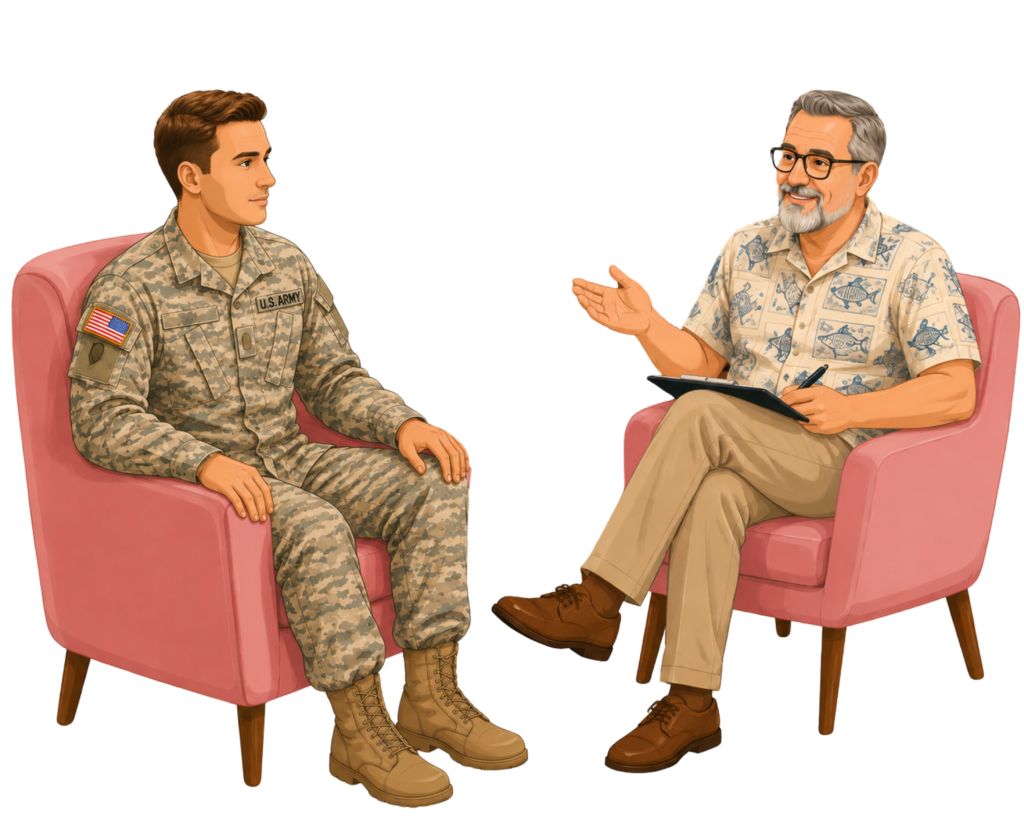
Complex trauma refers to the psychological effects of repeated, prolonged, or multiple traumatic experiences, particularly in situations where escape felt difficult or impossible. Unlike a single traumatic event, complex trauma tends to affect a broader range of functioning, including how a person regulates emotions, perceives themselves, and relates to others.
Not everyone who experiences repeated trauma develops the same symptoms or difficulties. Responses vary considerably based on individual factors, available support, and the nature and timing of the experiences involved.
What Is Complex Trauma?
Complex trauma is a term used to describe both the nature of certain traumatic experiences and the wide-ranging effects those experiences can have on a person’s psychological, emotional, and relational functioning.
What makes trauma “complex” is generally the repetitive or prolonged nature of the experience, often occurring in situations involving a relationship with another person, such as a caregiver, partner, or authority figure, and in contexts where the person felt powerless, trapped, or unable to get help.
The effects of complex trauma can touch multiple areas of life at once, including emotional regulation, self-perception, physical responses, and the capacity to form and maintain healthy relationships.
What Causes Complex Trauma?
Complex trauma typically develops from repeated or prolonged experiences rather than a single event. Common sources include:
Childhood abuse or neglect, whether physical, emotional, or sexual, especially when it occurs over time within a caregiving relationship. Domestic or intimate partner violence that is ongoing rather than isolated. Repeated exposure to violence, including community violence or war-related experiences. Long-term bullying, particularly in childhood or adolescence. Human trafficking or exploitation. Growing up in a household affected by addiction, severe mental illness, or significant chaos. Living through prolonged poverty combined with other adversities. Military combat over extended deployments.
What these situations often share is a pattern of fear, helplessness, or a lack of consistent safety, combined with limited access to protective relationships or support.
What Are the Symptoms of Complex Trauma?
Symptoms of complex trauma can vary significantly from person to person. They tend to be broader and more pervasive than those associated with a single-incident trauma.
Emotional Symptoms
People who have experienced complex trauma may notice persistent fear, anxiety, or a sense that danger is always near, even when the immediate environment is safe. Shame and guilt are common, sometimes extending to a deep belief that something is fundamentally wrong with them. Emotional numbness or a sense of being cut off from feelings can alternate with intense emotional reactions. Difficulty managing anger, sadness, or fear is also frequently reported.
Cognitive Symptoms
Complex trauma can shape how a person thinks about themselves and the world. Negative beliefs such as “I am worthless,” “I cannot be trusted,” or “The world is completely unsafe” can feel deeply true even when evidence suggests otherwise. Intrusive memories of traumatic events may surface unexpectedly. Difficulty concentrating, making decisions, or trusting one’s own perceptions is common, particularly when trauma involved gaslighting or manipulation.
Relationship Symptoms
Because much complex trauma occurs within relationships, the effects on how a person relates to others can be significant. Difficulty trusting others, fear of abandonment, challenges with emotional intimacy, poor boundaries, or swinging between over-dependence and emotional withdrawal are all commonly reported. Some people find themselves repeatedly drawn into relationships that feel familiar but harmful.
Physical and Behavioral Symptoms
The body often carries the effects of trauma. Sleep problems, being persistently alert or on guard (hypervigilance), an exaggerated startle response, avoidance of situations or people that feel threatening, and difficulty relaxing or feeling safe are all possible. Some people notice physical symptoms including headaches, digestive issues, or chronic pain that may be related to ongoing stress responses.
Complex Trauma vs. PTSD: What Is the Difference?
These two concepts are related but not identical.
| Complex Trauma | PTSD |
| Often refers to effects of prolonged or repeated traumatic experiences | Can develop after one or more traumatic events |
| Tends to affect emotional regulation, self-concept, and relationships broadly | Commonly involves intrusion, avoidance, negative mood/cognition, and arousal symptoms |
| May involve pervasive changes in identity and relational patterns | Diagnostic criteria are defined within specific clinical frameworks |
| Not a formal diagnosis in all classification systems | Recognized as a formal diagnosis in DSM-5 and ICD-11 |
It is worth noting that PTSD symptoms can develop after a single traumatic event as well as after repeated experiences. Complex trauma describes a broader pattern of effects associated with prolonged or repeated adversity.
What Is Complex PTSD (C-PTSD)?
Complex PTSD, or C-PTSD, is a formal diagnostic category included in the ICD-11 (the World Health Organization’s International Classification of Diseases, 11th revision). It is proposed to capture a distinct presentation that can follow exposure to prolonged or repeated trauma, especially of an interpersonal nature.
C-PTSD includes the core PTSD symptoms of re-experiencing, avoidance, and persistent sense of current threat, and adds three additional areas of disturbance: difficulties with emotional regulation, negative self-concept (such as persistent feelings of shame, guilt, or worthlessness), and difficulties in sustaining relationships.
It is important to note that C-PTSD is not a separate diagnosis in the DSM-5, the diagnostic system widely used in the United States. Clinicians working within different frameworks may approach diagnosis differently. This is one reason why seeking assessment from a qualified mental health professional is important rather than attempting to self-diagnose based on online information.
The terms complex trauma and C-PTSD are related but not interchangeable. Complex trauma is a broader concept describing both the nature of the experiences and their effects. C-PTSD is a specific clinical diagnosis within a particular framework.
How Does Complex Trauma Affect the Brain and Nervous System?
Repeated traumatic experiences can affect how the nervous system responds to stress over time. When someone is exposed to ongoing threat or unpredictability, the stress response system, which exists to help people survive danger, can remain in a heightened state even after the original threat has passed.
This can look like persistent alertness, difficulty calming down, strong reactions to sensory experiences that seem minor to others, or feeling emotionally flooded in situations that remind the person of earlier experiences. The brain may remain wired to detect danger as the priority, which can make it harder to concentrate, regulate emotions, or feel safe in ordinary circumstances.
It is important not to overstate this. The brain is also capable of significant adaptation, and many people do experience meaningful recovery with appropriate support.
How Can Complex Trauma Affect Everyday Life?
The effects of complex trauma can reach into most areas of daily functioning. At work or school, concentration difficulties, difficulties managing feedback, and challenges in authority relationships can create practical problems. Sleep may be disrupted by hyperarousal or nightmares.
In friendships and romantic relationships, the impact can be particularly significant. Difficulty trusting others, fear of rejection or abandonment, challenges with conflict, and patterns of emotional distance or overwhelming intensity can make closeness feel both desired and frightening simultaneously.
Confidence and self-worth may suffer persistently. Decision-making can feel paralyzed, particularly when the person has learned that their judgment was unreliable or was actively undermined. The ability to feel relaxed, safe, or genuinely at ease may feel chronically out of reach.
How Is Complex Trauma Treated?
Treatment for complex trauma should be individualized and delivered by a qualified mental health professional with relevant training and experience. There is no single approach that works for everyone.
Treatment generally progresses through phases rather than jumping immediately into detailed trauma processing. The early phase typically focuses on establishing safety, building coping skills, and stabilizing symptoms. This foundation matters because trauma processing can be destabilizing if attempted before adequate resources are in place.
Evidence-informed approaches used in complex trauma treatment include trauma-focused cognitive behavioral therapy (TF-CBT), cognitive processing therapy (CPT), eye movement desensitization and reprocessing (EMDR), and approaches specifically developed for complex presentations such as Structured Approach Therapy or approaches informed by the Internal Family Systems model.
Some approaches focus specifically on emotional regulation skills, interpersonal effectiveness, and mindfulness, particularly when emotional dysregulation is prominent. Therapy may also address the relational dimensions of complex trauma, including patterns in current relationships.
Medication is not a primary treatment for complex trauma itself, but may be considered for specific symptoms such as anxiety, depression, or sleep difficulties when clinically indicated.
Can Complex Trauma Be Healed?
Recovery from complex trauma is possible, though it often takes time and consistent support. Many people experience meaningful reductions in symptoms, improved emotional regulation, healthier relationships, and a stronger sense of self and safety over the course of appropriate treatment.
Recovery does not necessarily mean the traumatic experiences are forgotten or that their effects disappear entirely. For many people it means developing the skills, understanding, and inner resources to live a full and meaningful life without being defined or limited by what happened.
Phrasing recovery as a guaranteed “cure” would not be accurate. What research and clinical experience do support is that people can and do get better, especially with appropriate professional support, time, and the right therapeutic relationship.
When Should You Seek Professional Help?
It is worth speaking with a mental health professional if you notice:
Trauma-related symptoms that have persisted for several weeks or longer. Difficulties with emotional regulation that are interfering with work, relationships, or daily functioning. Sleep problems related to nightmares or hyperarousal. Persistent negative beliefs about yourself that feel fixed and deeply true. Intrusive memories or strong physical reactions to reminders of past experiences. Avoidance of places, people, or situations that is significantly limiting your life. Difficulty maintaining relationships or feeling chronically unsafe.
If you are experiencing thoughts of harming yourself or are in immediate distress, please contact a crisis line or emergency services in your area. In the United States, the 988 Suicide and Crisis Lifeline is available by calling or texting 988.
How Is Complex Trauma Diagnosed?
There is no online quiz or self-assessment tool that can diagnose complex trauma or C-PTSD. A proper clinical assessment involves a trained mental health professional gathering a detailed history of your experiences, current symptoms, and how those symptoms are affecting your daily life.
The clinician will also consider other possible explanations for symptoms, since many of the difficulties associated with complex trauma can also be features of other mental health conditions, including depression, anxiety disorders, borderline personality disorder, and dissociative disorders. Accurate assessment matters because it shapes which treatment approaches are most appropriate.
Self-education is valuable, and recognizing that your experiences might have had lasting effects is often an important first step. But diagnosis and treatment planning belong with a qualified professional.
Frequently Asked Questions
What is complex trauma?
Complex trauma refers to the psychological effects of repeated, prolonged, or multiple traumatic experiences, particularly those that occur within relationships or situations where escape was difficult. It tends to affect emotional regulation, self-perception, relationships, and everyday functioning more broadly than single-event trauma.
What are the main symptoms of complex trauma?
Common symptoms include persistent anxiety or fear, shame or guilt, emotional numbing, difficulty regulating emotions, intrusive memories, negative self-beliefs, problems trusting others, hypervigilance, sleep disturbance, and avoidance. Symptoms vary considerably between individuals.
What causes complex trauma?
Complex trauma typically develops from repeated or prolonged adversity, such as childhood abuse or neglect, domestic violence, long-term bullying, exploitation, combat, or other situations involving ongoing fear and a lack of safety or support.
What is the difference between PTSD and complex trauma?
PTSD can develop after one or more traumatic events and involves a defined set of symptom clusters. Complex trauma describes broader effects associated with prolonged or repeated trauma, including pervasive changes in emotional regulation, self-concept, and relational patterns that go beyond the core PTSD criteria.
Is complex trauma the same as C-PTSD?
They are related but not the same. C-PTSD is a formal clinical diagnosis in the ICD-11 that includes PTSD core symptoms plus disturbances in emotional regulation, self-concept, and relationships. Complex trauma is a broader conceptual term describing a type of traumatic experience and its wide-ranging effects.
Can childhood trauma cause complex trauma?
Yes. Childhood is a period when repeated traumatic experiences within caregiving relationships can have significant and lasting effects. Early adverse experiences are among the most commonly cited contributors to complex trauma presentations.
Can you have complex trauma without PTSD?
Yes. The effects of complex trauma can manifest in many ways that do not meet the full diagnostic criteria for PTSD. A person may experience significant difficulties with emotional regulation, relationships, or self-perception without meeting the specific threshold for a PTSD or C-PTSD diagnosis.
How is complex trauma diagnosed?
Through a thorough clinical assessment by a qualified mental health professional that considers the person’s history, current symptoms, functional impact, and other possible explanations. There is no valid self-diagnostic tool or checklist that can replace professional assessment.
Can complex trauma affect relationships?
Yes, often significantly. Because much complex trauma occurs in relationship contexts, the effects on how a person relates to others can be profound. Difficulties with trust, intimacy, boundaries, and emotional regulation in close relationships are commonly reported.