Are the new ways better?
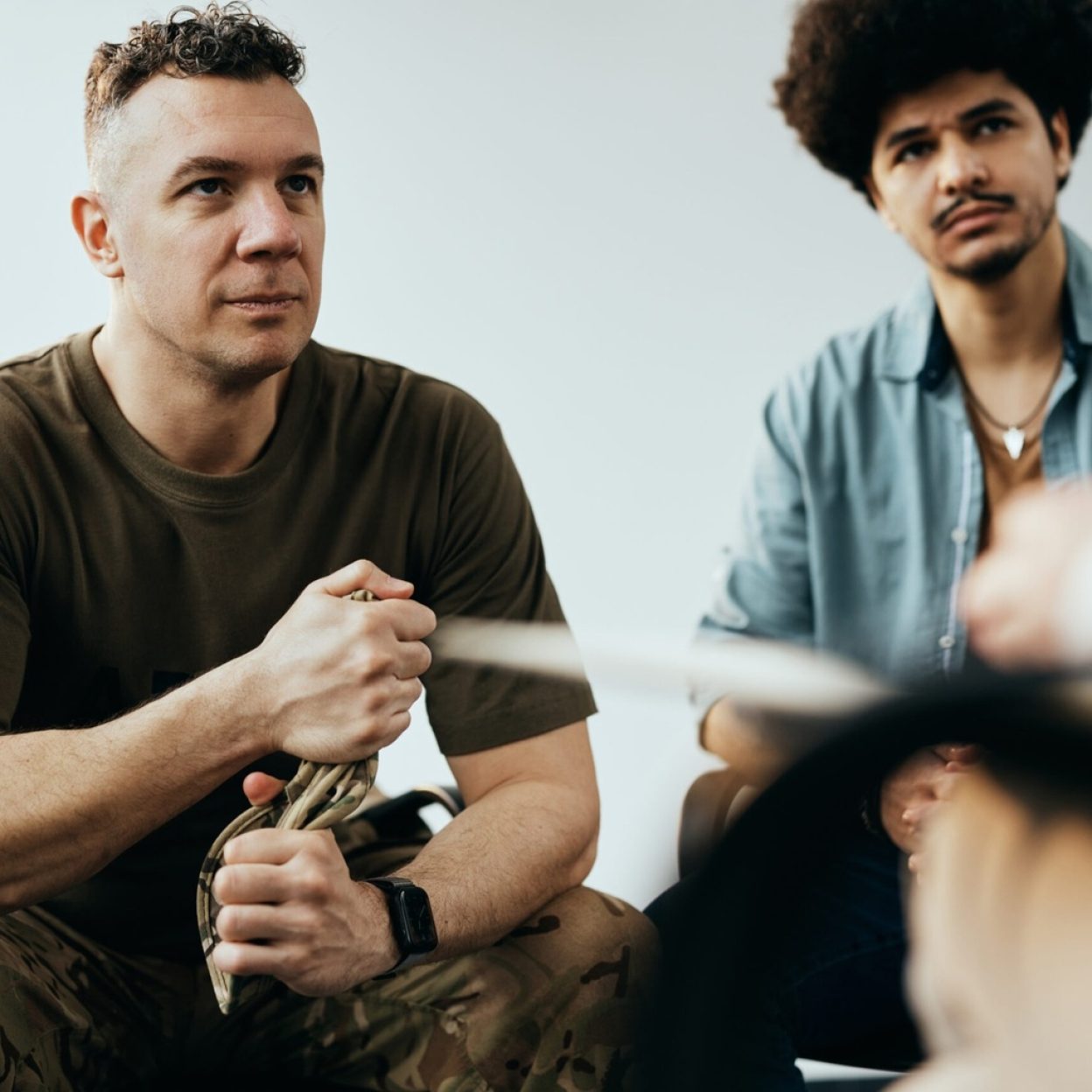
First responders face demanding situations that can affect their emotional well-being, relationships, and daily lives. Police officers, firefighters, emergency medical technicians (EMTs), and paramedics regularly encounter emergencies, traumatic events, long shifts, and high-pressure decisions. While their work requires physical readiness and professional training, protecting their mental health is equally important.
Prioritizing First Responder Mental Health can help emergency professionals manage occupational stress, maintain healthier relationships, and develop emotional resilience. However, taking care of mental well-being requires more than simply relaxing after a difficult shift. It involves building healthy routines, developing supportive relationships, recognizing emotional warning signs, and knowing when to seek professional help.
Here are nine practical ways first responders can support their mental health while managing the demands of their profession.
Why Is First Responder Mental Health Important?
First responders regularly work in unpredictable environments where they may witness injuries, accidents, violence, loss of life, and other distressing situations. Repeated exposure to these experiences can contribute to chronic stress, sleep difficulties, anxiety, emotional exhaustion, and symptoms associated with post-traumatic stress disorder (PTSD).
Rotating schedules and extended shifts can also interfere with family responsibilities, personal interests, and healthy sleep routines. Over time, these challenges may affect relationships and overall quality of life.
Improving First Responder Mental Health is not about eliminating every difficult emotion or pretending that challenging experiences do not matter. It means developing practical ways to recognize stress, process difficult experiences, and maintain a healthier balance between professional responsibilities and personal well-being.
9 Effective Ways to Improve First Responder Mental Health
Every first responder has different experiences and personal needs. The following strategies can help emergency professionals build healthier habits and manage the emotional demands of their work.
1. Recognize the Signs of Occupational Stress
Recognizing stress early is an important step toward protecting mental well-being. First responders sometimes become so accustomed to high-pressure environments that they overlook changes in their emotional and physical health.
Common signs of occupational stress include:
- Persistent irritability or frustration.
- Difficulty falling asleep or staying asleep.
- Feeling emotionally disconnected from family and friends.
- Reduced concentration and motivation.
- Frequent headaches or muscle tension.
- Increased alcohol or substance use.
- Feeling overwhelmed by everyday responsibilities.
These symptoms do not automatically indicate a mental health condition. However, persistent changes deserve attention.
Taking time to acknowledge how work affects your emotions can help you identify patterns and seek appropriate support before difficulties become more disruptive.
2. Develop Healthy Ways to Manage Stress
First responders need practical stress management strategies that fit their demanding schedules. Small activities performed consistently can help create opportunities for recovery after challenging shifts.
Consider incorporating activities such as:
- Practicing slow, controlled breathing.
- Taking short walks after work.
- Spending time outdoors.
- Listening to relaxing music.
- Writing down thoughts and emotions.
- Practicing mindfulness or meditation.
These activities can help create a transition between work responsibilities and personal time.
It is also important to recognize that stress management techniques are not substitutes for professional care when symptoms become severe or interfere with daily functioning.
3. Prioritize Quality Sleep and Recovery
Sleep is essential for emotional regulation, concentration, and physical recovery. Unfortunately, overnight shifts, emergency calls, and rotating schedules can make consistent sleep difficult for first responders.
A few practical habits may help improve sleep quality:
Maintain a sleep routine: Try to follow a consistent sleep schedule whenever your work shifts allow.
Create a comfortable environment: Keep your bedroom dark, quiet, and cool to support restful sleep.
Limit stimulants: Avoid excessive caffeine close to your intended sleep period.
Reduce screen exposure: Give yourself time away from bright screens before going to bed.
Allow recovery time: Avoid filling every day off with additional responsibilities.
When sleep problems persist, consider discussing them with a healthcare professional. Ongoing sleep disruption can affect both mental well-being and job performance.
4. Maintain Strong Relationships With Family and Friends
A demanding emergency services career can sometimes create distance between first responders and the people closest to them. Long shifts, emotional exhaustion, and difficulty discussing workplace experiences may affect family relationships.
Maintaining meaningful connections can provide emotional support and help reduce feelings of isolation.
Start with simple habits:
- Set aside uninterrupted time with family.
- Communicate when work has been particularly difficult.
- Listen to loved ones without becoming defensive.
- Participate in activities outside your profession.
- Make time for friends who understand your responsibilities.
You do not have to explain every detail of a difficult call to maintain a healthy relationship. Sometimes, being present, listening, and communicating your needs can make a meaningful difference.
5. Build a Support Network With Other First Responders
Colleagues often understand the unique pressures of emergency services better than people outside the profession. Connecting with trusted coworkers can create opportunities to share experiences and feel less alone.
Peer support programs can also help first responders discuss workplace stress in a structured and supportive environment.
A healthy support network should encourage open communication without judgment. It should also recognize that everyone processes difficult experiences differently.
If a colleague appears unusually withdrawn, overwhelmed, or emotionally distressed, a thoughtful conversation may help them feel supported. Encourage professional assistance when needed rather than trying to handle serious mental health concerns alone.
6. Set Healthy Boundaries Between Work and Personal Life
Emergency professionals may find it difficult to mentally disconnect from work, particularly after responding to traumatic incidents.
However, allowing work-related stress to occupy every part of personal life can affect relationships, sleep, and emotional recovery.
Establishing boundaries can help create a healthier separation between professional and personal responsibilities.
For example:
- Avoid checking work messages during personal time unless required.
- Protect time for family activities and hobbies.
- Learn to communicate when additional responsibilities become overwhelming.
- Allow yourself to rest on scheduled days off.
- Develop a consistent transition routine after completing a shift.
Healthy boundaries do not mean caring less about your profession. They help preserve the energy and emotional capacity needed to perform your responsibilities over time.
7. Stay Physically Active and Maintain Healthy Habits
Physical activity can support mental well-being by improving sleep, reducing stress, and supporting overall health.
First responders do not necessarily need complicated workout programs to benefit from regular movement. Activities such as walking, cycling, swimming, stretching, and strength training can fit different schedules and fitness levels.
Nutrition also matters. Irregular shifts can make it tempting to skip meals or rely on convenient processed foods. Planning simple, balanced meals and staying hydrated can support energy levels throughout the day.
Try to build sustainable habits instead of following demanding routines that become difficult to maintain.
If you have an existing health condition or physical limitations, consult an appropriate healthcare professional before starting a new exercise program.
8. Consider Professional Mental Health Support
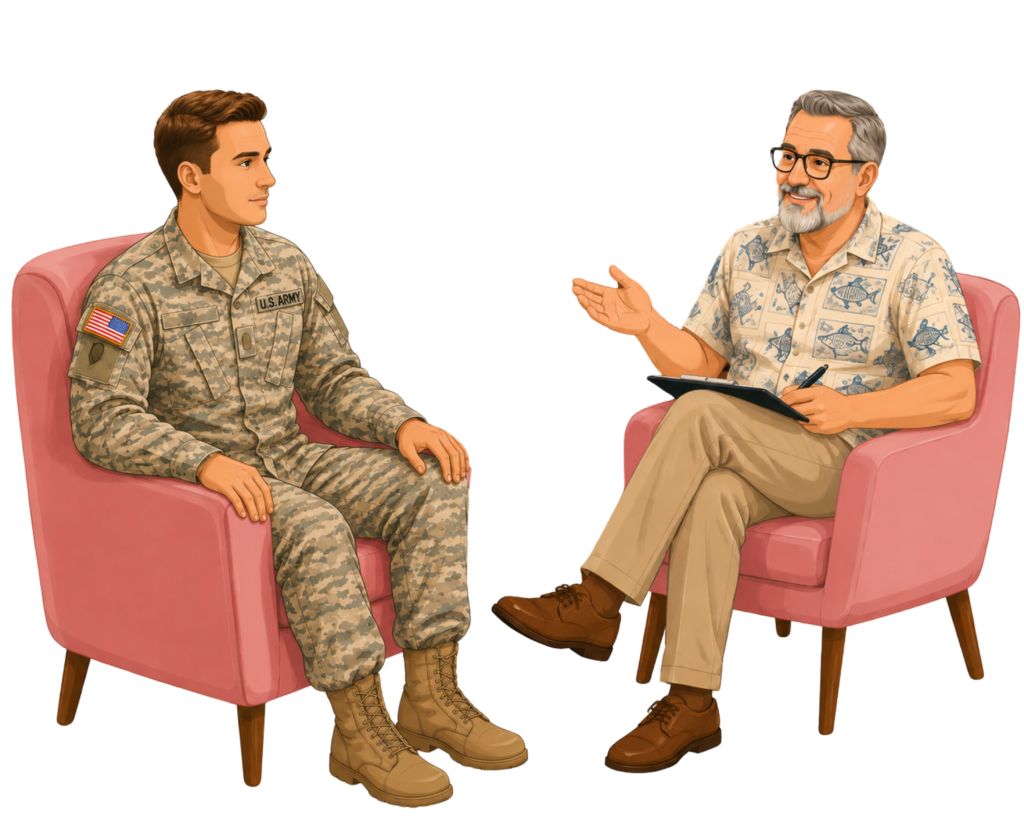
Seeking professional help is a positive step toward maintaining mental well-being. First responders may benefit from speaking with psychologists, licensed counselors, psychiatrists, or other qualified mental health professionals.
Professional support can help individuals understand emotional difficulties, develop coping strategies, and address symptoms affecting everyday life.
Depending on individual needs, available approaches may include:
- Individual counseling.
- Cognitive behavioral therapy (CBT).
- Trauma-focused therapy.
- Stress management counseling.
- Family or relationship counseling.
- Support groups facilitated by qualified professionals.
Some emergency service organizations also offer employee assistance programs (EAPs) or confidential mental health resources.
If symptoms interfere with work, relationships, sleep, or daily activities, professional evaluation can help identify appropriate treatment options.
9. Explore Personal Growth and Life Coaching
Mental well-being also involves understanding personal values, building confidence, and identifying meaningful goals beyond professional responsibilities.
Life coaching can provide a structured space for self-reflection, accountability, and personal development. First responders may use coaching to explore work-life balance, strengthen communication, clarify priorities, and reconnect with interests outside their careers.
Contemplative coaching can also encourage individuals to slow down, reflect on their experiences, and develop greater awareness of their thoughts and decisions.
However, coaching and mental health treatment serve different purposes. Life coaching is not a replacement for therapy or clinical care for PTSD, depression, anxiety disorders, or other mental health conditions.
For first responders dealing with significant psychological distress, qualified mental health support should remain a priority.
How Life Coaching Can Support First Responders
Life coaching can complement healthy personal development by helping first responders identify what matters most in their lives and establish realistic goals.
Many emergency professionals spend much of their time supporting others. As a result, personal priorities, relationships, and individual interests may receive less attention.
Coaching conversations can help individuals:
- Identify personal and professional priorities.
- Improve work-life balance.
- Develop stronger communication habits.
- Establish realistic personal goals.
- Build accountability for positive changes.
- Reconnect with their sense of purpose.
At Life Crafters Coaching, personal growth and self-reflection can help individuals consider how they want to approach their next chapter. This process can be especially meaningful for people navigating demanding careers, major life transitions, and changing personal responsibilities.
Frequently Asked Questions
First responders may experience occupational stress, emotional exhaustion, sleep difficulties, anxiety, depression, and symptoms of PTSD. Repeated exposure to emergencies and traumatic events can affect emotional well-being, relationships, and daily functioning.
First responders can develop recovery routines that include breathing exercises, physical activity, adequate sleep, personal reflection, and quality time with loved ones. Speaking with trusted colleagues or qualified professionals can also provide valuable support.
Mental health support helps emergency professionals recognize emotional difficulties, develop healthy coping strategies, and maintain their overall well-being. Access to appropriate support can also encourage healthier relationships and long-term personal development.
Yes. Life coaching can help first responders establish personal goals, improve work-life balance, strengthen communication, and explore their sense of purpose. However, it does not replace professional mental health treatment when clinical care is needed.
A first responder should consider professional support when emotional distress, sleep problems, anxiety, withdrawal, or other symptoms persist or interfere with daily life. Thoughts of self-harm or suicide require immediate professional assistance.
Getting Support for PTSD in First Responders
PTSD in first responders is common, underreported, and treatable. Recognizing the warning signs, understanding the risk factors, and knowing when symptoms have crossed from manageable to something that requires professional attention are all meaningful steps. Emergency personnel carry an enormous amount so that others don’t have to. That service doesn’t require suffering in silence. Anyone experiencing persistent PTSD symptoms is encouraged to speak with a qualified mental health professional who can provide appropriate, individualized support.
Positive Motivators
- Henry Wadsworth Longfellow, The Contemplative Counselor; Fortress Press, 2011, p 64
- New American Standard Bible: 1995 update. (1995). (Jn 16:13). La Habra, CA: The Lockman Foundation.
- Ibid, Psalm 46:10
- Nolasko, Rolph R. jr; The Contemplative Counselor; Fortress Press, 2011; p 61
- Ibid
- LifeCrafters Coaching & Support Services LLC
- www.lccoach.org
- david.hooker@lccoach.org
- 503-344-6348
Speaking with clarity and honesty creates space for understanding and meaningful connection.

Author, David Hooker
Timing matters. Important conversations are most productive when both partners are calm, available, and emotionally regulated. Avoid raising sensitive topics during moments of stress or exhaustion. Creating intentional space for conversations allows both partners to engage thoughtfully and respectfully.
Handle Conflict Constructively
Disagreements are normal in any relationship. Focus on addressing the issue rather than criticizing your partner. Stay curious about their perspective, take responsibility for your part, and avoid absolutes like “always” or “never.” Working as a team toward solutions strengthens resilience and mutual respect.
Show Appreciation and Affection
Positive communication isn’t just about resolving problems—it’s also about reinforcing connection. Regularly expressing gratitude, affection, and acknowledgment helps your partner feel valued. Small gestures of appreciation can soften difficult conversations and create a more supportive emotional climate.
Bringing It All Together
Improving communication takes time, patience, and practice from both partners. By listening with intention, speaking honestly, choosing the right moments, managing conflict thoughtfully, and showing appreciation, you create a stronger foundation for connection. Small, consistent changes in how you communicate can lead to deeper understanding, greater emotional safety, and a more fulfilling relationship.