Are the new ways better?
Life after military service comes with transitions that most people outside the veteran community genuinely do not understand. The structure disappears. The sense of mission changes. Relationships that once felt natural become complicated, and the identity built through years of service does not translate cleanly into civilian life. For many veterans, these challenges are compounded by trauma that was never properly addressed during or after service. Veteran trauma coaching exists specifically for this intersection, supporting the practical and emotional rebuilding that therapy alone does not always cover. Recognizing whether this kind of support might benefit you is often the hardest part.
Following Are the 7 Signs You May Benefit From Veteran Trauma Coaching
You Feel Stuck in the Same Patterns No Matter What You Try
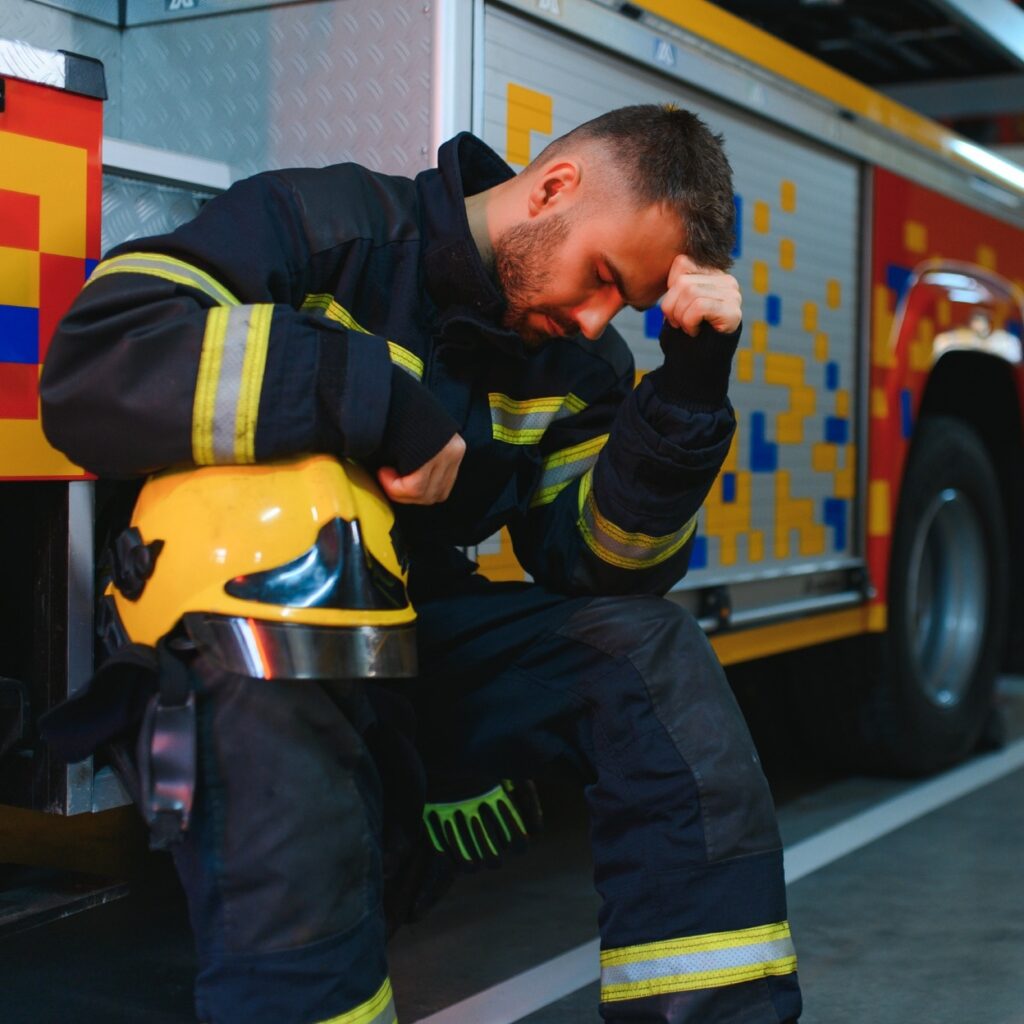
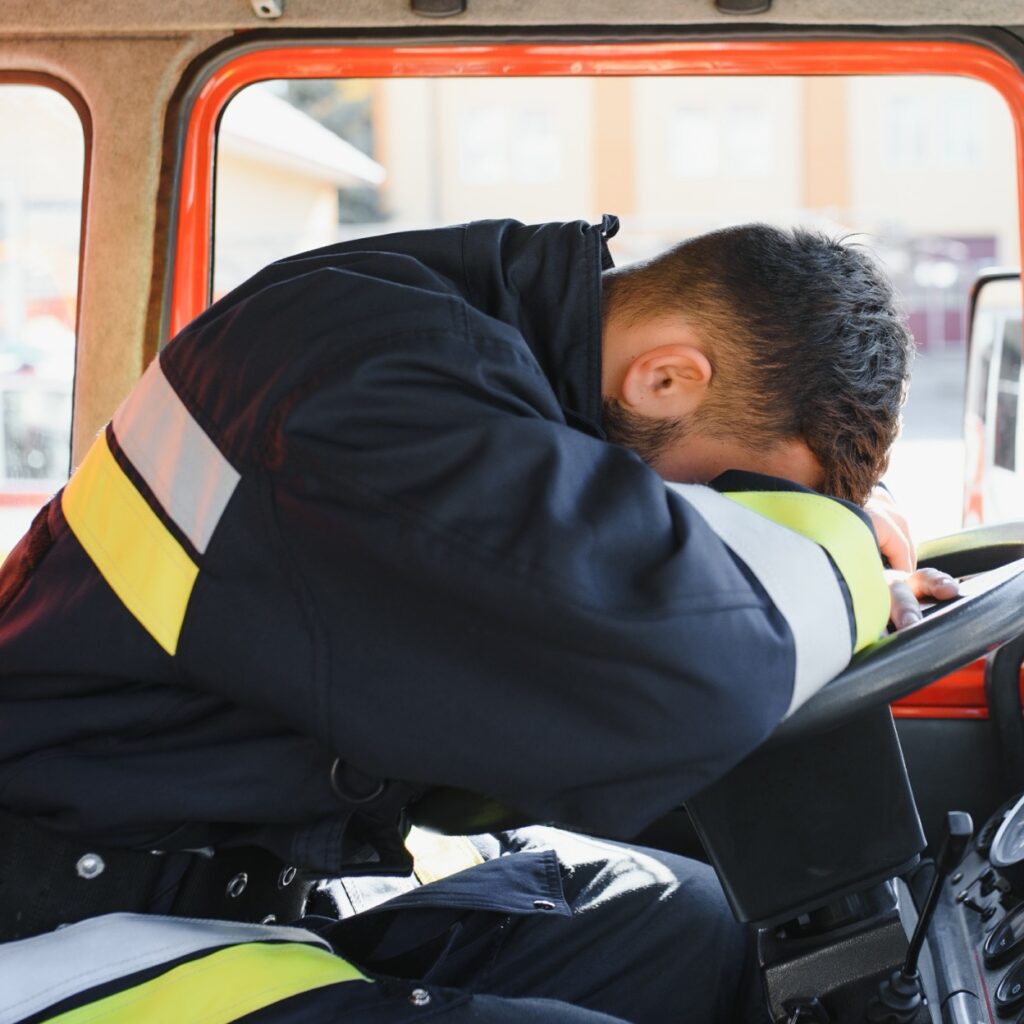
Stuck is one of those words that sounds vague until you are living it. For veterans dealing with unresolved trauma, feeling stuck usually looks very specific. The same arguments happen in relationships. The same avoidance of certain situations. The same emotional reactions that feel disproportionate to what triggered them, followed by the same frustration at not being able to stop it.
This kind of repetitive pattern is one of the clearest indicators that something beneath the surface has not been addressed. Willpower alone does not break cycles rooted in trauma. Neither does time, at least not on its own. Veteran trauma coaching helps identify the specific beliefs and behavioral patterns driving the cycle and creates structured, consistent work toward changing them.
Many veterans have already tried to push through, to keep busy, to rationalize or ignore what they are experiencing. When those strategies stop working or never quite worked at all, that persistent stuckness is a meaningful signal worth paying attention to rather than overriding again.
Civilian Life Has Never Fully Felt Like Home
The transition out of military service is rarely straightforward. The military provides structure, belonging, purpose, and a clear hierarchy of values. Civilian life provides none of those things by default. For veterans who also carry combat trauma or moral injury from their service, the gap between military and civilian existence can feel almost unbridgeable.
This is not weakness. It is a predictable consequence of moving between two radically different worlds without adequate support for the psychological shift that transition requires. Veteran trauma coaching directly addresses this by helping individuals reconstruct a sense of identity and purpose that is honest about what service meant while also being genuinely oriented toward what comes next.
If civilian life has felt like wearing clothes that do not quite fit, even years after separation, coaching focused on veteran experience offers something that general life coaching or therapy often cannot: a framework that actually understands the military-to-civilian transition rather than treating it as a background detail.
Your Relationships Are Suffering and You Are Not Sure Why
Trauma does not stay contained to the person carrying it. It leaks into marriages, friendships, parenting, and professional relationships in ways that are often more visible to the people around a veteran than to the veteran themselves. Emotional unavailability, hypervigilance in situations that do not require it, difficulty trusting people, or explosive reactions to minor friction are all patterns that trauma produces.
The painful part is that many veterans genuinely want closer, healthier relationships and cannot understand why the gap between intention and reality keeps widening. Insight into what is happening is valuable, but insight alone rarely produces the behavioral change needed to shift relationship patterns. Coaching builds the practical skills around communication, emotional regulation, and boundary-setting that help close that gap over time.
If people close to you have said that something feels off, or if you have noticed relationships either deteriorating or never quite reaching the depth you want, trauma coaching gives you structured support for changing that rather than just understanding it.
You Have Lost Your Sense of Purpose Since Leaving Service
Purpose in the military is immediate and concrete. The mission is defined. The team is identified. The stakes are real. Civilian life, even when objectively comfortable, can feel purposeless by comparison in ways that are genuinely disorienting.
For veterans carrying trauma, this loss of purpose becomes more acute. Depression and trauma together tend to flatten motivation and narrow the imagination about what the future could look like. It becomes difficult to care about things that previously mattered, or to identify new things worth caring about.
Veteran trauma coaching addresses this directly. Not through motivational language or goal-setting worksheets, but through a genuine examination of what the individual values, what skills and experiences from service can be translated into civilian life, and what kind of purpose feels authentic rather than assigned. Purpose built through that process tends to stick in a way that purpose borrowed from someone else’s blueprint does not.
You Are Managing Symptoms Alone Without Any Structured Support
A significant number of veterans who would benefit from support are not currently receiving any. The reasons vary. Stigma around help-seeking remains real in military culture. Previous experiences with mental health systems may have been unhelpful or even harmful. The bureaucratic complexity of accessing formal services creates barriers that are discouraging enough that many veterans simply stop trying.
Managing trauma symptoms alone, whether through alcohol, isolation, hyperactivity, overwork, or sheer willpower, is exhausting and ultimately unsustainable. The symptoms do not diminish with suppression. They resurface under stress or gradually erode quality of life in ways that are hard to trace back to their origin.
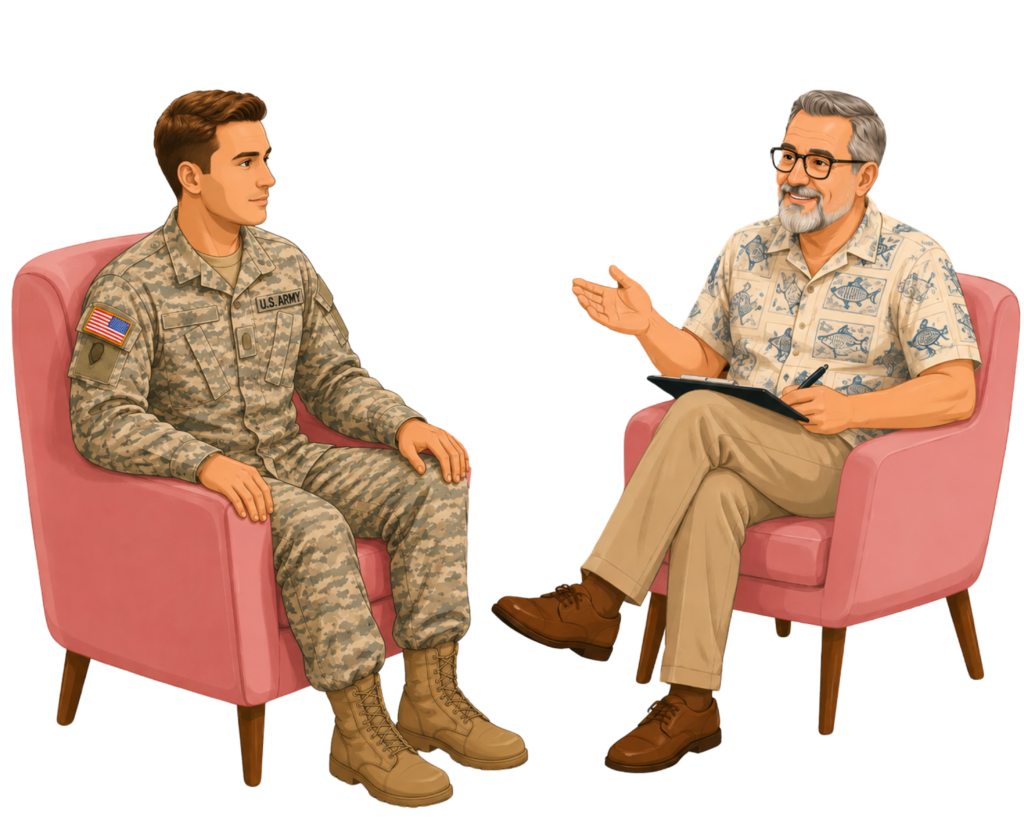
Veteran trauma coaching is not clinical treatment, and it does not replace therapy when therapy is what is needed. But for veterans who are not in crisis and are not seeking a clinical diagnosis, coaching offers structured, consistent, practical support that many find more accessible and more actionable than navigating formal healthcare systems.
You Are Struggling to Find Direction After Service
This is closely related to purpose but meaningfully different. Direction is practical. It involves decisions about career, lifestyle, relationships, and daily structure. Many veterans leave service with significant skills and experience but genuine uncertainty about how to translate those into a civilian context, particularly when trauma is also affecting confidence and decision-making.
The cognitive load of ongoing trauma symptoms makes big decisions feel harder than they already are. Avoidance becomes a default. Months turn into years without movement toward a life that feels intentional rather than accidental.
Veteran trauma coaching helps create clarity around what a person actually wants, identifies the specific barriers between their current situation and that vision, and builds a practical roadmap for closing the gap. The trauma-informed dimension of the coaching means that the emotional weight contributing to paralysis is acknowledged as part of the work rather than treated as a separate problem to be handled elsewhere.
You Are Ready to Move Forward but Do Not Know Where to Start
This last sign is perhaps the most hopeful. Readiness is significant. A veteran who genuinely wants something different, who is tired of the current situation and open to doing the work required to change it, is already in the best possible position to benefit from coaching.
The challenge is that readiness without structure rarely produces movement. Knowing you want to change and knowing how to change are different things, and the gap between them is where most people stall. Veteran trauma coaching provides the structure, the accountability, and the practical guidance that turns genuine readiness into actual forward movement.
If you have reached a point where continuing as things are feels less acceptable than making a change, even if you do not yet know what that change looks like, that readiness is itself a meaningful sign that coaching-based support is worth pursuing.
Conclusion
Recognizing yourself in these signs does not require a formal diagnosis or a crisis point. Veteran trauma coaching is designed for the space between struggling and fully recovered, where life is manageable but not what it could be, and where the right support could make a significant difference. The military instills a strong preference for self-sufficiency, which is genuinely valuable, but self-sufficiency has limits. Working with someone trained in veteran trauma and experienced in the specific challenges of military transition is not a compromise of that value. It is an application of it.
Frequently Asked Questions
Veteran trauma coaching is a structured, forward-focused support approach designed specifically for veterans dealing with the effects of trauma, military transition challenges, loss of purpose, or relationship difficulties after service. It focuses on practical goal-setting, identity rebuilding, and developing the habits and clarity needed to move forward, rather than clinical diagnosis or trauma processing in a therapeutic sense.
No. Therapy is a clinical practice performed by licensed mental health professionals that addresses diagnosis and treatment of conditions like PTSD. Coaching is forward-focused and practical, supporting veterans in setting goals, building confidence, and creating direction. They serve different but complementary roles, and some veterans benefit from both simultaneously.
It depends entirely on the individual and what they are working on. Some veterans see meaningful progress within a few months of consistent coaching. Others work with a coach over a longer period as they navigate multiple life areas. There is no fixed timeline, and a good coach will be transparent about expectations from the start.
Yes. Relationship difficulties are one of the most common areas coaching addresses. While a coach does not provide couples counseling, they work with the individual on the communication patterns, emotional regulation, and self-awareness that directly affect how they show up in relationships.
No. Trauma in military contexts is not limited to combat. Military sexual trauma, moral injury, the cumulative stress of operational deployments, and the transition out of service itself can all produce the kind of lasting effects that veteran trauma coaching is designed to support.
Moving Forward After Military Service
Military trauma coaching won’t undo what service cost. But for veterans who are ready to work on what comes next, it offers something real: structure, accountability, and a consistent space to build toward a life that makes sense after everything that came before it. Coaching isn’t a clinical solution, and it doesn’t claim to be. But for the personal, practical, and emotional work of post-service adjustment, it can provide genuine support. Veterans don’t have to navigate this alone, and reaching out, whether to a coach, a therapist, or both, is a reasonable and worthwhile decision.
Positive Motivators
- Henry Wadsworth Longfellow, The Contemplative Counselor; Fortress Press, 2011, p 64
- New American Standard Bible: 1995 update. (1995). (Jn 16:13). La Habra, CA: The Lockman Foundation.
- Ibid, Psalm 46:10
- Nolasko, Rolph R. jr; The Contemplative Counselor; Fortress Press, 2011; p 61
- Ibid
- LifeCrafters Coaching & Support Services LLC
- www.lccoach.org
- david.hooker@lccoach.org
- 503-344-6348
Speaking with clarity and honesty creates space for understanding and meaningful connection.

Author, David Hooker
Timing matters. Important conversations are most productive when both partners are calm, available, and emotionally regulated. Avoid raising sensitive topics during moments of stress or exhaustion. Creating intentional space for conversations allows both partners to engage thoughtfully and respectfully.
Handle Conflict Constructively
Disagreements are normal in any relationship. Focus on addressing the issue rather than criticizing your partner. Stay curious about their perspective, take responsibility for your part, and avoid absolutes like “always” or “never.” Working as a team toward solutions strengthens resilience and mutual respect.
Show Appreciation and Affection
Positive communication isn’t just about resolving problems—it’s also about reinforcing connection. Regularly expressing gratitude, affection, and acknowledgment helps your partner feel valued. Small gestures of appreciation can soften difficult conversations and create a more supportive emotional climate.
Bringing It All Together
Improving communication takes time, patience, and practice from both partners. By listening with intention, speaking honestly, choosing the right moments, managing conflict thoughtfully, and showing appreciation, you create a stronger foundation for connection. Small, consistent changes in how you communicate can lead to deeper understanding, greater emotional safety, and a more fulfilling relationship.