Are the new ways better?
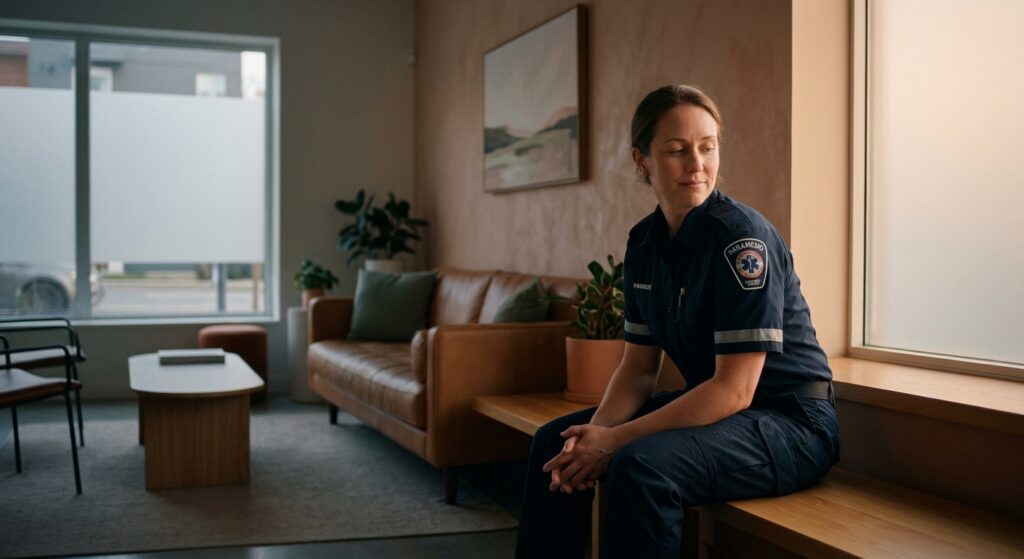
Lying awake after a hard shift is one of the most common cFirst responder sleep problemsomplaints among firefighters, police officers, EMTs, paramedics, and dispatchers. are not a sign of weakness or a character flaw. They often reflect what the job actually does to the body and the brain: repeated exposure to danger, unpredictable schedules, and calls that stay in your head long after the radio goes quiet.
For first responders working in Gladstone, Oregon, and across Clackamas County, this pattern is familiar. Shift schedules, overnight response, and calls involving serious injury or loss are part of the job, whether you work for a local department or respond to incidents throughout the Portland metro area. This article explains what current sleep and trauma research says about why difficult calls interfere with sleep, how shift work adds to the problem, and when it makes sense to talk with a professional. It also makes one thing clear from the start: trouble sleeping does not automatically mean you have PTSD.
Why Can’t First Responders Sleep After Difficult Calls?
The short answer is that a difficult call can leave the body and mind in a state of alert long after the emergency itself has ended. Your heart rate, muscle tension, and mental scanning for threats may stay elevated well past the end of a shift. Memories of the call can surface uninvited right as you try to relax. Emotional reactions such as tension, sadness, or frustration can make it hard to switch off. On top of this, irregular shift schedules disrupt the body’s normal sleep-wake timing, and repeated disruption over months or years can turn into a lasting pattern. For some people, sleep problems that follow a stressful event are temporary. For others, they persist and interfere with daily life. Either way, this reaction does not by itself mean someone has developed PTSD, and persistent or severe symptoms are worth discussing with a healthcare provider.
What Are First Responder Sleep Problems?
First responder sleep problems is a general term, not a single diagnosis. It can include difficulty falling asleep, waking up repeatedly through the night, waking too early and being unable to fall back asleep, restless or unrefreshing sleep, nightmares, and intrusive memories that show up specifically at bedtime. During the day, this often shows up as fatigue, excessive sleepiness, irritability, and trouble concentrating.
These symptoms can come from several different sources, sometimes overlapping. Shift work alone can produce most of them. So can ordinary stress, anxiety, depression, sleep apnea, or trauma exposure. Because the symptoms look similar across causes, figuring out what is actually driving the problem usually takes more than self-diagnosis.
Why Difficult Calls Can Make It Hard to Sleep
Hyperarousal
After a dangerous or emotionally intense call, your body may stay physically and mentally activated even once you are safe. This state, sometimes called hyperarousal, can make it difficult to slow down enough to fall asleep, even when you are exhausted.
Intrusive Memories
Images, sounds, or thoughts connected to a difficult call can surface without warning, particularly in the quiet of bedtime when there are fewer distractions competing for attention. This is a recognized response to stressful and traumatic experiences, not a sign that something is wrong with you.
Emotional Reactions
Fear, anger, grief, guilt, helplessness, or sadness can follow certain calls. Not every first responder experiences these reactions, and not every difficult call produces a strong emotional response. When these feelings are present, though, they can make it harder to relax the mind enough for sleep.
Anticipation of Another Call
Part of the job involves staying ready for what happens next. That readiness can be useful on shift, but it can be difficult to switch off once you are home, especially if you are still on call or working consecutive shifts.
Conditioned Alertness
Over time, repeated high-stress experiences paired with disrupted sleep can create a learned association between bedtime and alertness or worry. This is a gradual process, and it does not affect everyone the same way, but it helps explain why some first responders describe feeling “wired” the moment they try to lie down.
How Shift Work Affects First Responder Sleep
Your body has an internal clock, known as the circadian rhythm, that regulates when you feel alert and when you feel sleepy across a 24-hour period. Under normal conditions, this clock is tied to daylight and darkness. First responders working overnight shifts, rotating schedules, or long duty periods are frequently asking their body to sleep when the internal clock says to be awake, and to stay alert when it says to wind down. This mismatch does not simply “go away” with willpower. It requires the body to adjust, and constantly changing schedules make that adjustment harder to sustain. The National Institute for Occupational Safety and Health (NIOSH) has documented that shift work, particularly night and rotating shifts, is associated with sleep problems and fatigue-related safety risks among emergency workers. Working irregular hours does not automatically cause a diagnosable sleep disorder, but it substantially raises the odds of disrupted, insufficient sleep.
Signs Your Sleep Problems May Be Connected to Trauma
Some signs suggest that a difficult call, rather than shift timing alone, may be playing a role in your sleep problems. These include replaying a specific incident at bedtime, nightmares tied to a call, feeling on guard while lying in bed, sudden alertness when trying to fall asleep, avoiding sleep because of nightmares, anxiety when the environment goes quiet, irritability tied to poor sleep, strong reactions to reminders of the incident, and difficulty mentally leaving work behind at the end of a shift.
These signs can occur after stressful or traumatic experiences. They do not automatically mean a person has PTSD. Many first responders experience one or more of these symptoms temporarily without going on to develop a diagnosable condition.
Does Trouble Sleeping Mean You Have PTSD?
No. Trouble sleeping alone does not mean someone has PTSD. Sleep problems have many possible causes, including shift work, general stress, anxiety, depression, and medical sleep disorders such as sleep apnea. According to the National Center for PTSD, a PTSD diagnosis involves a broader pattern of symptoms following exposure to trauma, generally grouped into four areas: intrusion (such as unwanted memories or nightmares), avoidance of trauma-related reminders, negative changes in thoughts or mood, and changes in arousal and reactivity, which can include sleep disturbance. A diagnosis requires a clinical evaluation, not a checklist you complete on your own. If sleep problems are accompanied by other symptoms in these areas, or if they persist and interfere with your life, a mental health professional can help determine what is actually happening.
How First Responder Sleep Problems Can Affect Daily Life
Poor sleep affects more than how tired you feel. It can reduce concentration, slow reaction time, and increase irritability, all of which matter in jobs that require quick, accurate decisions. Fatigue has been linked to increased risk of drowsy driving, which is a genuine safety concern for shift workers commuting home after overnight duty. Chronic sleep disruption can also make it harder to recover between shifts and can strain relationships outside of work. These effects are well documented and worth taking seriously, without exaggerating them into a certainty for every individual.
What Can First Responders Do After a Difficult Call to Prepare for Sleep?
Create A Transition Period
Going straight from a high-alert call to bed rarely works well. A brief, consistent decompression routine, such as a shower, a quiet activity, dimmed lighting, or a few minutes of slow breathing, can help signal to your body that the emergency phase is over.
Make The Sleep Environment Supportive
Blackout curtains, an eye mask, earplugs, white noise, and a cool room can matter significantly for anyone sleeping during daylight hours after a night shift.
Limit Stimulation Before Sleep
Rehashing calls, scrolling intense content, or drinking caffeine late in a shift can all work against your body’s ability to wind down.
Avoid Using Alcohol As A Sleep Aid
Alcohol can bring on drowsiness initially, but it disrupts sleep quality later in the night and is not an appropriate long-term solution for insomnia.
Use Relaxation Strategies
Slow breathing, progressive muscle relaxation, and grounding techniques may help lower physical arousal. These tools can help, but they are not a substitute for professional care when symptoms persist.
What If Nightmares Are Keeping You Awake?
Nightmares can result from stress, trauma, PTSD, certain medications, other sleep disorders, or unrelated health factors. Occasional nightmares after a hard call are common. Nightmares that recur and repeatedly disrupt sleep or daily functioning deserve professional attention. Evidence-based treatments exist, and a clinician can help identify the right approach rather than relying on a single technique to resolve the problem.
When First Responder Sleep Problems Need Professional Help
Consider professional evaluation if sleep problems continue for several weeks, interfere with work performance, cause excessive daytime sleepiness, involve frequent nightmares or intrusive memories, or lead you to use alcohol or other substances to fall asleep. The same applies if anxiety or depression appears to be worsening, if you avoid sleep out of fear of nightmares, or if fatigue makes driving or working feel unsafe.
Persistent sleep problems can stem from causes other than trauma, including sleep apnea, shift work disorder, restless legs syndrome, medication side effects, substance use, anxiety, depression, chronic pain, or other circadian rhythm disruption. A primary care provider or sleep specialist can help sort out which factors are involved.
Is CBT-I an Option for First Responder Insomnia?
Cognitive Behavioral Therapy for Insomnia (CBT-I) is an evidence-based treatment recommended as a first-line approach for chronic insomnia by the American Academy of Sleep Medicine. It typically involves structured components such as addressing unhelpful thoughts about sleep, stimulus control, adjusting sleep scheduling under clinical guidance, and relaxation training. CBT-I is not something to attempt alone through sleep restriction, and it is not a treatment for PTSD. It targets insomnia specifically, and a clinician can determine whether it is appropriate alongside any trauma-focused care you may need.
Frequently Asked Questions
A difficult call can leave your body and mind in a heightened state of alertness. Physical tension, replaying the event, and emotional reactions can all interfere with the ability to relax enough for sleep, even hours after the call has ended.
Sleep problems are common among first responders due to shift work, irregular schedules, and exposure to stressful calls. A large meta-analysis estimated insomnia prevalence at 28% across studied first responder populations, though rates vary by study and occupation.
Trauma exposure can contribute to sleep difficulties for some first responders, including intrusive memories and nightmares. It is not the only cause, and shift work, general stress, and medical sleep disorders can produce similar symptoms.
No. Sleep problems alone do not indicate PTSD. PTSD involves a broader set of symptoms across four areas: intrusion, avoidance, negative changes in mood or thinking, and changes in arousal. A clinical evaluation is needed for diagnosis.
Blackout curtains, white noise, a cool dark room, and a consistent wind-down routine can support daytime sleep after overnight shifts. Limiting caffeine late in a shift and avoiding alcohol as a sleep aid also help.
Getting Support for PTSD in First Responders
PTSD in first responders is common, underreported, and treatable. Recognizing the warning signs, understanding the risk factors, and knowing when symptoms have crossed from manageable to something that requires professional attention are all meaningful steps. Emergency personnel carry an enormous amount so that others don’t have to. That service doesn’t require suffering in silence. Anyone experiencing persistent PTSD symptoms is encouraged to speak with a qualified mental health professional who can provide appropriate, individualized support.
Positive Motivators
- Henry Wadsworth Longfellow, The Contemplative Counselor; Fortress Press, 2011, p 64
- New American Standard Bible: 1995 update. (1995). (Jn 16:13). La Habra, CA: The Lockman Foundation.
- Ibid, Psalm 46:10
- Nolasko, Rolph R. jr; The Contemplative Counselor; Fortress Press, 2011; p 61
- Ibid
- LifeCrafters Coaching & Support Services LLC
- www.lccoach.org
- david.hooker@lccoach.org
- 503-344-6348
Speaking with clarity and honesty creates space for understanding and meaningful connection.

Author, David Hooker
Timing matters. Important conversations are most productive when both partners are calm, available, and emotionally regulated. Avoid raising sensitive topics during moments of stress or exhaustion. Creating intentional space for conversations allows both partners to engage thoughtfully and respectfully.
Handle Conflict Constructively
Disagreements are normal in any relationship. Focus on addressing the issue rather than criticizing your partner. Stay curious about their perspective, take responsibility for your part, and avoid absolutes like “always” or “never.” Working as a team toward solutions strengthens resilience and mutual respect.
Show Appreciation and Affection
Positive communication isn’t just about resolving problems—it’s also about reinforcing connection. Regularly expressing gratitude, affection, and acknowledgment helps your partner feel valued. Small gestures of appreciation can soften difficult conversations and create a more supportive emotional climate.
Bringing It All Together
Improving communication takes time, patience, and practice from both partners. By listening with intention, speaking honestly, choosing the right moments, managing conflict thoughtfully, and showing appreciation, you create a stronger foundation for connection. Small, consistent changes in how you communicate can lead to deeper understanding, greater emotional safety, and a more fulfilling relationship.