Are the new ways better?
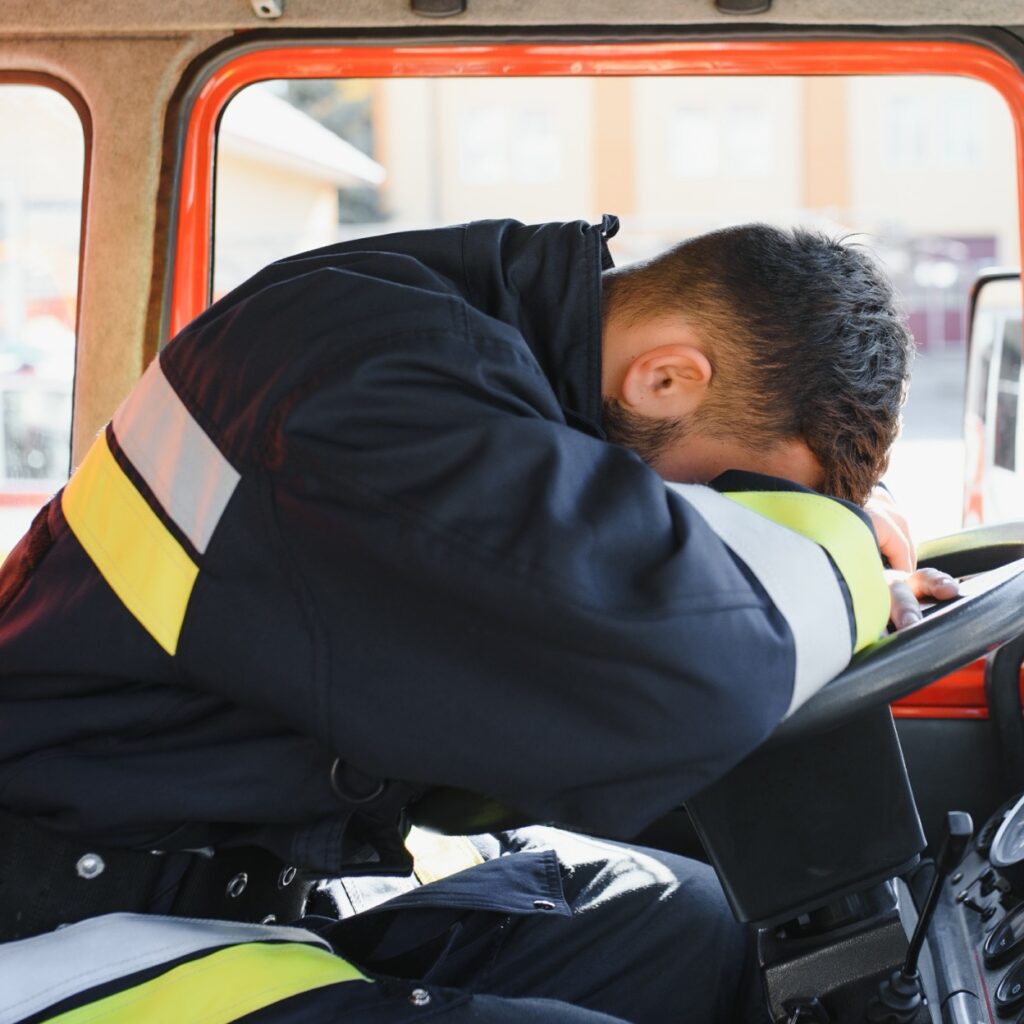
A firefighter lies awake replaying a call from three shifts ago. A police officer in Gladstone snaps at a family member over something small, then wonders why. A paramedic notices their hands still shake an hour after a routine transport. None of these moments proves a diagnosis. But they are worth paying attention to, and for first responders working in Gladstone and across Clackamas County, knowing what anxiety actually looks like, and when it crosses into something that needs professional attention, matters.
First responder anxiety symptoms are the physical, emotional, cognitive, and behavioral reactions that can show up during or after repeated exposure to high-stress calls, critical incidents, or the ongoing demands of emergency work.
Common signs include a racing heart, muscle tension, persistent worry, irritability, trouble concentrating, difficulty sleeping, and avoidance of certain calls or situations. These symptoms exist on a spectrum. Some fade within days as the body settles after a hard shift. Others persist, intensify, or start interfering with work, sleep, and relationships, which is when a professional evaluation becomes worth considering.
What Are First Responder Anxiety Symptoms?
Anxiety is the body and mind’s response to perceived threat or ongoing stress. According to the National Institute of Mental Health, anxiety symptoms cluster into a few recognizable groups: physical sensations, emotional experiences, thought patterns, and behavior changes. For first responders, these symptoms can appear after a single difficult call, build gradually across a career, or show up during periods of heavy call volume, short staffing, or personal strain outside of work.
It helps to be direct about something the research is careful to point out: symptoms are not the same as a diagnosis. Feeling anxious after a hard shift is a normal human reaction. An anxiety disorder is a separate clinical condition that a licensed provider identifies based on the pattern, duration, and impact of symptoms, not a checklist a person completes on their own.
Common First Responder Anxiety Symptoms
Physical Symptoms of Anxiety
The body often signals anxiety before the mind catches up. Common physical symptoms include a racing or pounding heart, muscle tension, sweating, shaking, rapid or shallow breathing, an upset stomach, headaches, fatigue, and a general difficulty relaxing even when off duty. It is worth noting that these same symptoms can have medical causes unrelated to anxiety, including cardiac issues, thyroid conditions, medication effects, or dehydration from long shifts. Anyone with new, severe, or unexplained physical symptoms should not assume anxiety is the cause without a medical evaluation.
Emotional Symptoms of Anxiety
Emotionally, anxiety can show up as persistent worry, a sense of dread that does not match the current situation, irritability, feeling constantly on edge, and a general struggle to relax or feel settled. Some first responders describe a low-grade feeling that something bad is about to happen, even during quiet stretches of a shift.
Cognitive Symptoms of Anxiety
Cognitive symptoms involve the way a person thinks. This can include racing thoughts, trouble concentrating on routine tasks, repeatedly replaying what could go wrong on a future call, and difficulty switching off mentally after work ends. A dispatcher might find it hard to stop mentally rehearsing a bad call hours after the shift is over.
Behavioral Changes
Behaviorally, anxiety can lead to avoiding certain types of calls, locations, or conversations, repeated checking of equipment or surroundings beyond what the job requires, withdrawing from coworkers or family, trouble resting on days off, and increased reliance on alcohol or other substances to relax or fall asleep. One symptom on its own rarely tells the whole story. It is the combination and persistence of these signs that matters most.
Why First Responders May Experience Anxiety
First responder work involves repeated exposure to situations most people encounter rarely, if ever: serious injuries, death, child emergencies, violence, and split-second high-stakes decisions. The Substance Abuse and Mental Health Services Administration reports that an estimated 30 percent of first responders develop a behavioral health condition, including depression or PTSD, compared with about 20 percent of the general population. That does not mean anxiety is inevitable for anyone in the profession. It does mean the occupational exposure is real and worth taking seriously.
Shift work adds another layer. Rotating schedules, overnight shifts, and unpredictable call volume can disrupt sleep and recovery coaching time, which in turn can make it harder for the nervous system to reset between stressful events. Workplace culture also plays a role. Concerns about being seen as unable to handle the job, worries about confidentiality, or simply not having the language to describe what they are feeling can lead first responders to push symptoms aside rather than address them early.
First Responder Anxiety After a Difficult or Traumatic Call
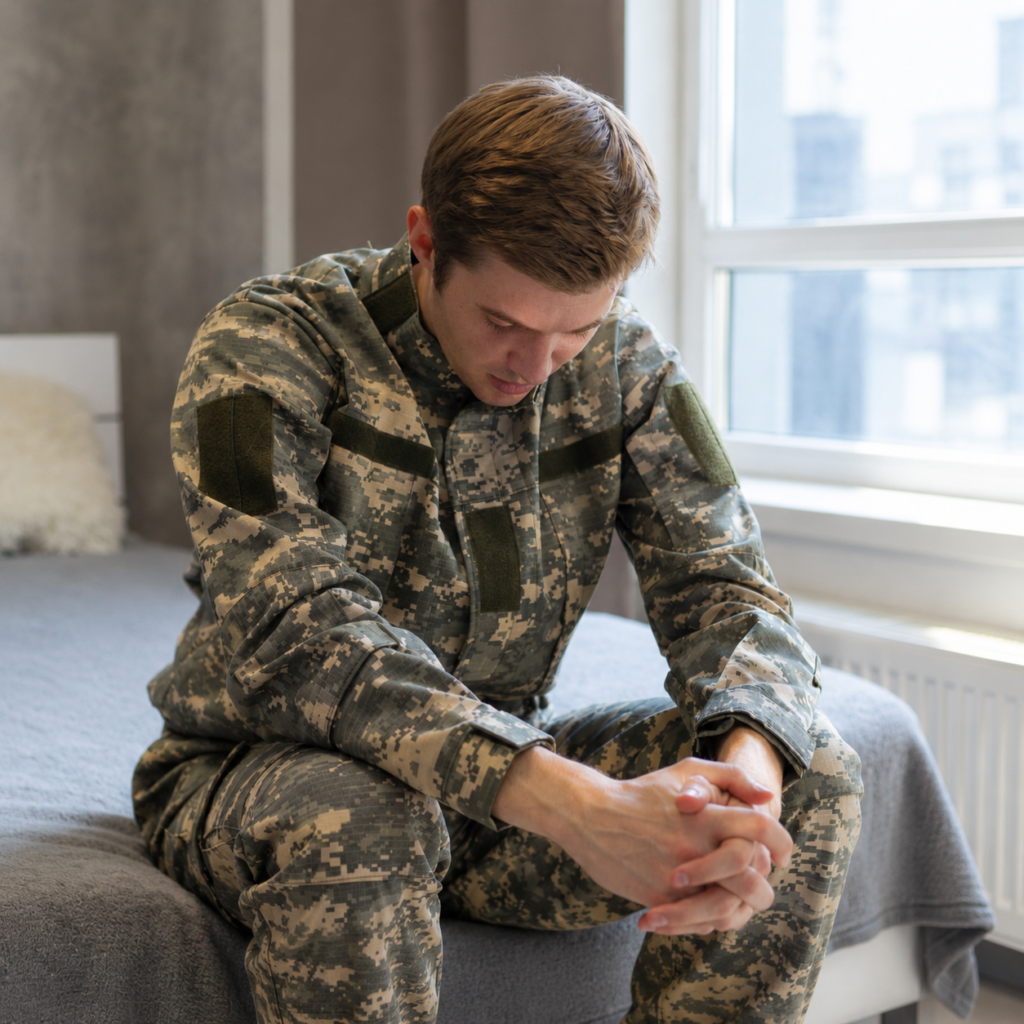
It is common to feel shaken, keyed up, or emotionally raw in the hours or days after a hard call. This is often a normal acute stress reaction rather than a sign of a lasting condition. Most people find that these reactions ease with rest, time, and support from coworkers or family.
The distinction worth watching for is persistence. A short period of feeling unsettled after a difficult call is different from anxiety that continues for weeks, intensifies rather than fades, or starts interfering with sleep, work performance, or relationships. Persistent anxiety after a difficult call does not automatically mean PTSD, but it can be a reasonable signal to talk with a qualified professional rather than wait it out indefinitely.
First Responder Anxiety and Hypervigilance
Hypervigilance is a state of heightened alertness to possible danger. For first responders, some degree of situational awareness is a genuine occupational skill: scanning a scene, noticing exits, tracking bystanders. That kind of professional alertness is not a mental health concern on its own.
The difference is what happens when the shift ends. Hypervigilance becomes worth discussing with a provider when a person cannot turn that alertness off, feels constantly scanning for threats in situations with no real danger present, such as a grocery store or a family dinner, or finds themselves exhausted from a nervous system that never fully powers down.
Can Anxiety Cause Sleep Problems in First Responders?
Anxiety can interfere with falling asleep, staying asleep, and feeling rested, often through racing thoughts, physical tension, or nighttime worry that surfaces once the distractions of the day are gone. But sleep problems in first responders rarely have a single cause. Shift work itself disrupts the body’s natural sleep-wake cycle. Caffeine used to stay alert on overnight shifts can linger in the system for hours. Alcohol, while it may feel relaxing in the short term, tends to fragment sleep later in the night. Underlying sleep disorders and other medical conditions can also play a role.
Because of this overlap, trouble sleeping should not be automatically labeled as anxiety or PTSD. A useful first step is looking at the full picture: shift schedule, caffeine and alcohol use, physical health, and stress level, rather than assuming one explanation covers everything.
First Responder Anxiety vs PTSD
Anxiety and PTSD can overlap, but they are not the same thing, and one should not be assumed from the other.
|
Anxiety |
PTSD |
|
Persistent worry, dread, or nervousness, sometimes without a specific trigger |
Symptoms tied to a specific traumatic event or events |
|
Physical tension, racing heart, restlessness |
Intrusive memories, flashbacks, or nightmares connected to the event |
|
Avoidance of stress-provoking situations in general |
Avoidance specifically linked to trauma reminders |
|
Can occur without a history of trauma exposure |
Requires exposure to a traumatic event as part of the clinical picture |
|
Diagnosed based on pattern, duration, and impact of anxiety symptoms |
Diagnosed based on a specific set of criteria including intrusion, avoidance, and changes in mood and arousal |
PTSD requires a specific clinical pattern that a licensed provider assesses using established criteria. Having one or two symptoms on this list, such as feeling anxious or having trouble sleeping after a hard call, does not mean a person has PTSD. If intrusive memories, nightmares, or persistent avoidance of trauma reminders are present alongside anxiety, that combination is worth bringing to a professional rather than trying to sort out alone.
First Responder Anxiety vs Burnout
Burnout is a state of physical and emotional exhaustion tied to chronic occupational stress, often described in terms of exhaustion, cynicism or detachment from the job, and a reduced sense of effectiveness at work. Anxiety and burnout can share symptoms, including irritability, exhaustion, trouble concentrating, and sleep disruption, which is part of why they are sometimes confused with each other.
The difference lies in the underlying pattern. Burnout tends to center on the job itself: dreading shifts, feeling detached from coworkers or the public, or feeling like nothing you do makes a difference. Anxiety tends to center on persistent worry and physical arousal that can show up in and outside of work. Trauma-related symptoms, by contrast, tend to connect back to a specific incident or set of incidents. These are not interchangeable conditions, and a person can experience more than one at the same time.
Anxiety Symptoms in Firefighters, Police Officers, EMTs, and Paramedics
Firefighters may notice heightened anxiety before returning to the type of call that resembles a previous difficult incident, along with physical tension that lingers after a fire is out.
Police officers may experience persistent worry following a violent or high-risk encounter, along with hypervigilance that carries over into off-duty life.
EMTs and paramedics often describe difficulty relaxing after a demanding shift, particularly following calls involving severe injury or a patient they could not save.
Emergency dispatchers, who process critical information without the ability to see or control the scene, may experience anxiety tied to uncertainty about how a call resolved, along with intrusive replaying of what was heard.
These are illustrative examples rather than clinical findings about any specific role. Research has not established that one first responder profession experiences meaningfully more anxiety than another, and each person’s experience varies with their history, workload, and support system.
When Should a First Responder Seek Help for Anxiety?
Reaching out to a professional is worth considering when symptoms continue after the immediate stress of an event has passed, become more frequent or intense over time, interfere with sleep, affect job performance, strain relationships, lead to avoidance of people or situations, make it difficult to relax even during time off, or contribute to increased alcohol or substance use. Symptoms occurring alongside depression, trauma-related reactions, or thoughts of self-harm are a clear signal to seek support without delay.
Seeking help is a practical response to a real occupational demand, not a sign of weakness. Many first responders describe relief once they have language for what they are experiencing and a professional who understands the nature of the work.
How First Responders Can Get Support for Anxiety
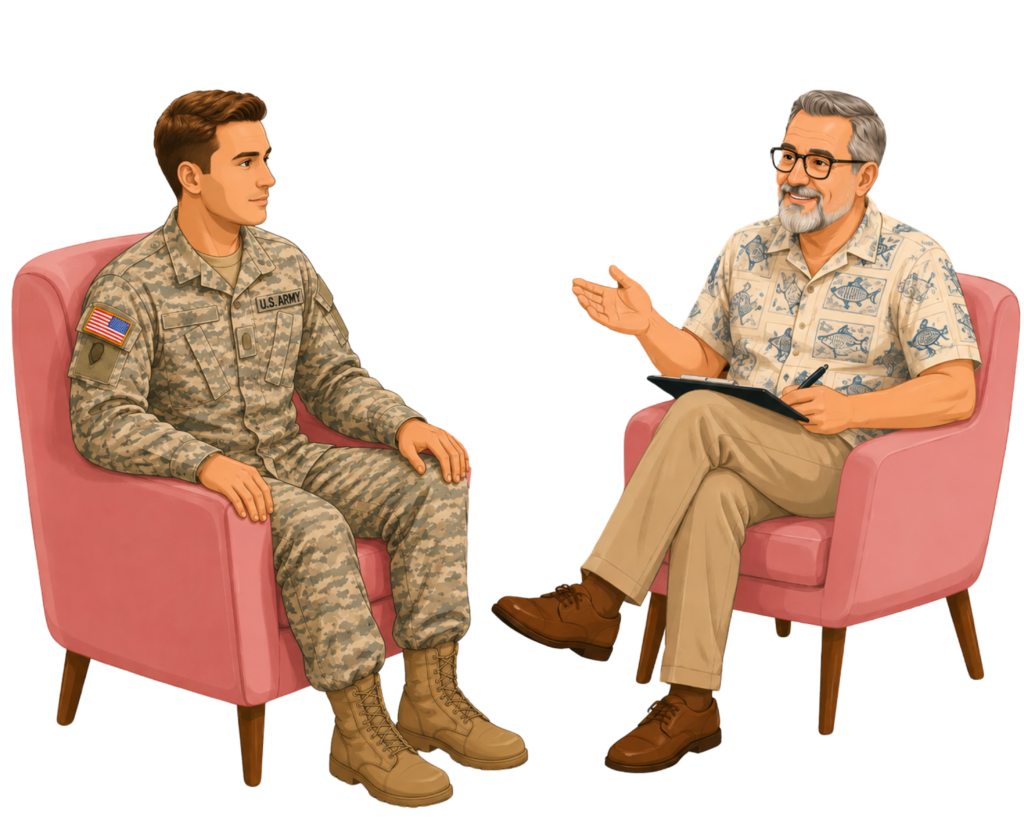
Support for anxiety typically starts with an evaluation from a primary care provider or a licensed mental health professional, who can rule out medical causes and determine an appropriate path forward. Evidence-based approaches for anxiety include cognitive behavioral therapy, which helps identify and shift patterns of anxious thinking and avoidance, and trauma-focused therapies when a clinical evaluation identifies trauma-related symptoms. A provider may also address sleep difficulties directly, since better rest often improves anxiety symptoms as well.
Peer support programs, which connect first responders with colleagues trained to listen and help work through next steps, are widely used across fire, police, and EMS agencies. Occupational employee assistance programs can also be a starting point for confidential support. For anyone in crisis, immediate support is available and described below.
Coaching, including trauma-focused coaching, can be a useful complement for people working through questions of identity, transition, or day-to-day coping skills. Coaching is not psychotherapy, does not diagnose or treat mental health conditions, and is not a substitute for medical or clinical care when that level of support is needed.
First Responder Anxiety Support in Gladstone, Oregon
Gladstone sits in Clackamas County within the Portland metropolitan area, and its public safety personnel work alongside colleagues throughout the region, including Oregon City, Milwaukie, and Happy Valley. Gladstone’s police department has served the city since 1911, and in November 2025 residents voted to bring fire service under Clackamas Fire District #1, one of the larger fire protection districts in Oregon. That regional structure means Gladstone’s firefighters, police officers, and the dispatchers who support them are part of a wider Clackamas County public safety workforce, and local mental health resources are organized at the county level rather than city by city.
Clackamas County operates a 24/7 Crisis and Support Line at 503-655-8585 for anyone experiencing a mental health crisis or needing same-day support, along with an urgent walk-in mental health center in Happy Valley. NAMI Clackamas, based in nearby Milwaukie, provides free mental health education and peer support groups at no cost. These resources are available to first responders and their families in Gladstone and throughout Clackamas County, alongside statewide and national options described below.
Crisis Support
Anyone in immediate danger or having thoughts of suicide should call 911 or go to the nearest emergency room. The 988 Suicide and Crisis Lifeline is available 24 hours a day by call or text. Veterans and current service members can reach the Veterans Crisis Line by dialing 988 and pressing 1, or by texting 838255. Clackamas County residents can also reach the county’s Crisis and Support Line at 503-655-8585 at any hour.
Frequently Asked Questions
Common symptoms include a racing heart, muscle tension, persistent worry, irritability, racing thoughts, trouble concentrating, avoidance of certain calls or situations, and increased reliance on alcohol or substances to relax. These can appear alone or together, and their combination and persistence matter more than any single symptom.
Yes. A difficult or traumatic call can trigger short-term stress reactions or, in some cases, longer-lasting anxiety symptoms. Not every first responder who experiences a hard call develops anxiety, and symptoms that fade within days are often a normal stress response rather than a lasting condition.
Anxiety involves persistent worry and physical tension that can occur with or without trauma exposure. PTSD involves a specific clinical pattern tied to a traumatic event, including intrusive memories, flashbacks, and trauma-related avoidance. Only a licensed professional can distinguish between the two through a full evaluation.
Yes, anxiety can make it harder to fall asleep or stay asleep. However, shift work, caffeine, alcohol use, and underlying sleep or medical conditions can all contribute to sleep problems as well, so the cause is not always anxiety alone.
Anxiety can be accompanied by panic attacks, which involve a sudden surge of intense fear along with physical symptoms such as a racing heart, shortness of breath, chest discomfort, sweating, trembling, or dizziness. New or severe chest pain or breathing difficulty should always be evaluated medically before being attributed to anxiety.
Getting Support for PTSD in First Responders
PTSD in first responders is common, underreported, and treatable. Recognizing the warning signs, understanding the risk factors, and knowing when symptoms have crossed from manageable to something that requires professional attention are all meaningful steps. Emergency personnel carry an enormous amount so that others don’t have to. That service doesn’t require suffering in silence. Anyone experiencing persistent PTSD symptoms is encouraged to speak with a qualified mental health professional who can provide appropriate, individualized support.
Positive Motivators
- Henry Wadsworth Longfellow, The Contemplative Counselor; Fortress Press, 2011, p 64
- New American Standard Bible: 1995 update. (1995). (Jn 16:13). La Habra, CA: The Lockman Foundation.
- Ibid, Psalm 46:10
- Nolasko, Rolph R. jr; The Contemplative Counselor; Fortress Press, 2011; p 61
- Ibid
- LifeCrafters Coaching & Support Services LLC
- www.lccoach.org
- david.hooker@lccoach.org
- 503-344-6348
Speaking with clarity and honesty creates space for understanding and meaningful connection.

Author, David Hooker
Timing matters. Important conversations are most productive when both partners are calm, available, and emotionally regulated. Avoid raising sensitive topics during moments of stress or exhaustion. Creating intentional space for conversations allows both partners to engage thoughtfully and respectfully.
Handle Conflict Constructively
Disagreements are normal in any relationship. Focus on addressing the issue rather than criticizing your partner. Stay curious about their perspective, take responsibility for your part, and avoid absolutes like “always” or “never.” Working as a team toward solutions strengthens resilience and mutual respect.
Show Appreciation and Affection
Positive communication isn’t just about resolving problems—it’s also about reinforcing connection. Regularly expressing gratitude, affection, and acknowledgment helps your partner feel valued. Small gestures of appreciation can soften difficult conversations and create a more supportive emotional climate.
Bringing It All Together
Improving communication takes time, patience, and practice from both partners. By listening with intention, speaking honestly, choosing the right moments, managing conflict thoughtfully, and showing appreciation, you create a stronger foundation for connection. Small, consistent changes in how you communicate can lead to deeper understanding, greater emotional safety, and a more fulfilling relationship.