Are the new ways better?
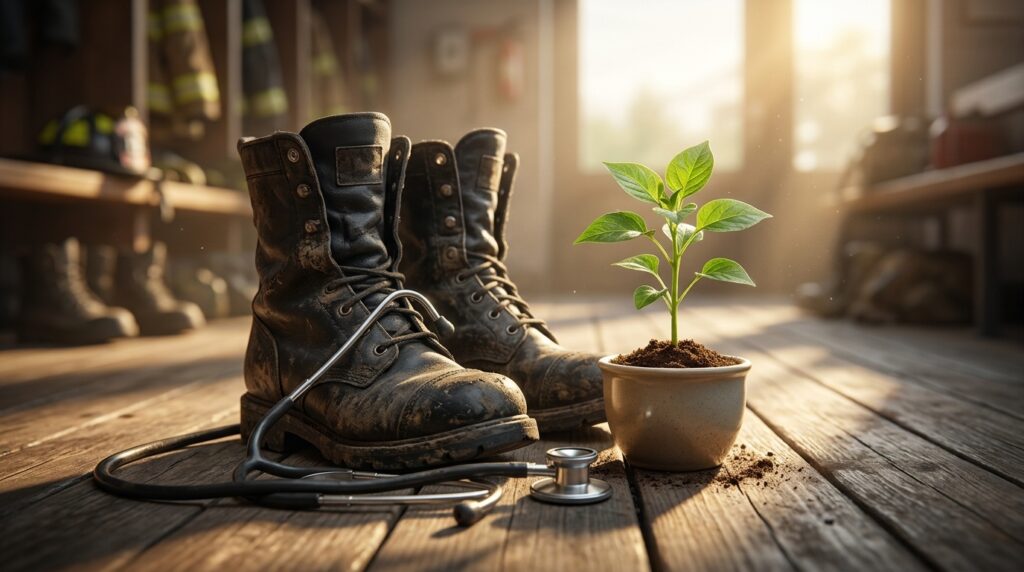
First responders carry an emotional weight that most people never have to fully understand. Police officers, firefighters, paramedics, and dispatchers are repeatedly exposed to human suffering, danger, and loss as a routine part of their job, not as an exception to it. Over time, that repeated exposure takes a toll that does not always show up immediately but tends to surface eventually, in mood, in relationships, in the ability to feel present outside of work. Understanding first responder mental health, recognizing the warning signs, and knowing what recovery actually looks like matters both for the individuals living this reality and for the people who care about them.
What Is First Responder Mental Health?
First responder mental health refers to the psychological and emotional wellbeing of individuals working in high-stress emergency professions, and how the specific demands of that work affect them differently than most other jobs. It is not a separate category of mental health in a clinical sense. It is the same human mind and nervous system, subjected to conditions that most professions simply do not involve: repeated trauma exposure, life-and-death stakes, and a culture that often prizes stoicism over vulnerability.
How Does First Responder Work Affect Mental Health?
Repeated Exposure to Trauma
Unlike a single traumatic event, first responders often experience trauma cumulatively across a career. Each critical incident adds to what came before. That accumulation matters more than people realize, because the nervous system does not simply reset between calls.
High-Stress and Life-Threatening Situations
The requirement to perform under extreme pressure, sometimes with someone’s life directly in the balance, activates a stress response that, repeated often enough, begins to change baseline functioning even outside of work hours.
Emotional Pressure and Responsibility
Carrying the weight of outcomes, sometimes outcomes beyond anyone’s control, creates a particular kind of psychological burden. Guilt and second-guessing are common even when a first responder did everything right.
Long Shifts and Sleep Disruption
Irregular schedules and overnight shifts disrupt the sleep architecture that the brain relies on to process stress and consolidate emotional experience. Poor sleep is both a symptom and a driver of declining mental health in this population.
Common Mental Health Challenges Among First Responders
Post-Traumatic Stress
PTSD rates among first responders are significantly higher than in the general population, driven by the cumulative and repeated nature of the trauma exposure inherent to the work.
Anxiety and Chronic Stress
A nervous system that stays activated for years develops a lower threshold for triggering the stress response, meaning anxiety can become a persistent background state rather than an occasional experience.
Depression and Emotional Exhaustion
The combination of chronic stress, disrupted sleep, and emotional suppression frequently contributes to depressive symptoms, sometimes masked by irritability or numbness rather than obvious sadness.
Burnout and Compassion Fatigue
The capacity for empathy is not unlimited. Years of caring for people in crisis without adequate recovery time depletes that capacity, leaving first responders feeling detached or cynical in ways that conflict with who they actually are.
Sleep Problems
Insomnia, nightmares, and hypervigilance at night are extremely common and often go untreated because they are seen as an unavoidable part of the job rather than a treatable symptom.
What Are the Warning Signs of Poor First Responder Mental Health?
Emotional and Behavioral Changes
Increased irritability, emotional numbness, mood swings, or a noticeable shift in personality are often the first signs that something deeper is happening.
Physical Signs of Chronic Stress
Headaches, digestive issues, muscle tension, and fatigue that does not resolve with rest frequently accompany unaddressed psychological stress.
Changes in Relationships and Social Life
Withdrawing from family, avoiding social situations, or increasing conflict at home often reflect internal struggles that have not been named or addressed directly.
When Stress Starts Affecting Daily Life
When difficulty concentrating, sleeping, or functioning normally outside of work becomes a consistent pattern rather than an occasional bad week, that shift is significant and worth taking seriously.
Why Do First Responders Often Avoid Mental Health Support?
The Pressure to Appear Strong
The culture of many first responder professions equates emotional composure with competence, making vulnerability feel like a professional liability rather than a normal human response.
Fear of Stigma or Judgment
Concerns about how colleagues or supervisors might perceive a mental health struggle keep many people silent well past the point where support would have helped.
Concerns About Career and Professional Reputation
Worry that seeking help could affect fitness-for-duty evaluations or career advancement is a genuine and often accurate concern in some departments, which makes the decision to seek support more complicated than it should be.
Difficulty Talking About Traumatic Experiences
Some experiences are genuinely hard to put into words, and the fear of being misunderstood or judged for what was witnessed or done keeps many first responders from opening up even to those closest to them.
The Road From Trauma to Recovery
Recovery is not about erasing what happened. It is about developing the capacity to carry those experiences without being controlled by them, and rebuilding a life that includes connection, purpose, and stability alongside the reality of what the work has involved. That road looks different for everyone, but it consistently involves acknowledgment rather than suppression, support rather than isolation, and time.
How Can First Responders Improve Their Mental Health?
Recognize Stress Early
Noticing the early signs, changes in sleep, mood, or patience, before they escalate makes intervention significantly easier than waiting until a crisis point.
Talk to Someone You Trust
A peer, a mentor, a family member, or a professional. The specific person matters less than breaking the pattern of carrying everything alone.
Build Healthy Coping Habits
Exercise, structured downtime, and activities that genuinely provide recovery, not just distraction, support the nervous system’s ability to regulate over time.
Prioritize Sleep and Physical Health
Given how central sleep disruption is to first responder mental health, protecting sleep as much as the schedule allows is one of the most impactful things an individual can do.
Maintain Strong Personal Connections
Relationships outside of work provide a different kind of grounding than professional camaraderie, and both matter for long-term wellbeing.
Seek Professional Mental Health Support
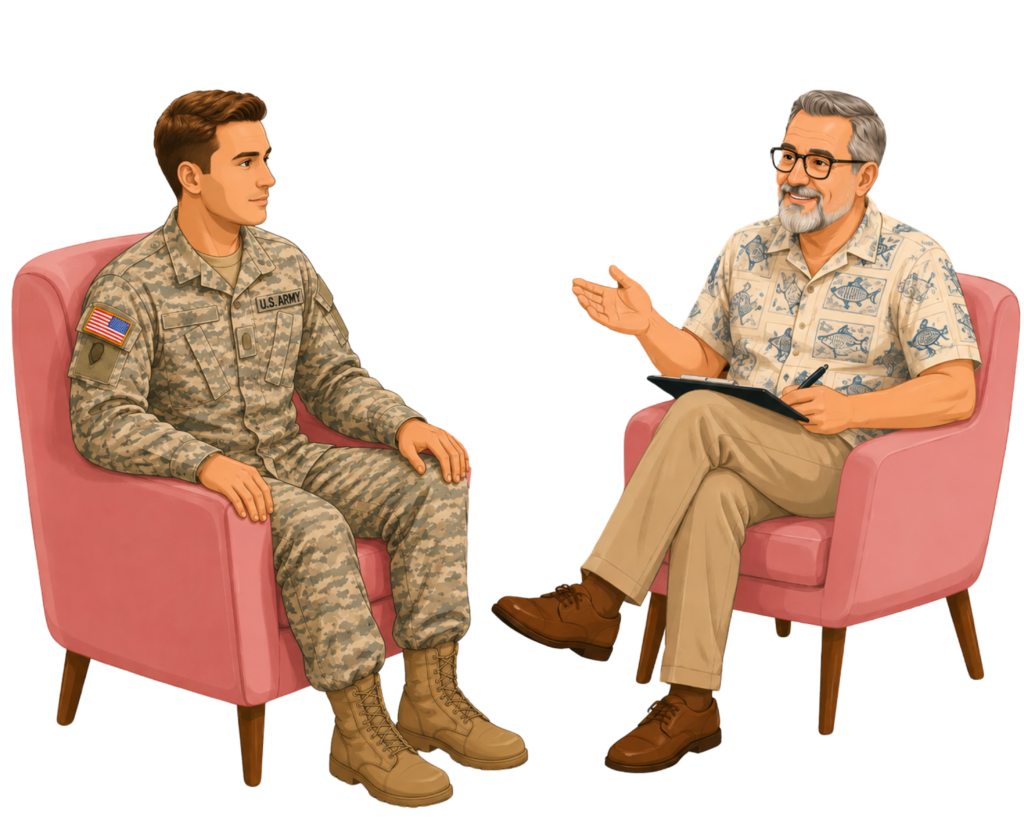
Working with a therapist or counselor who understands first responder culture provides a level of processing and support that self-management alone cannot fully replace.
How Therapy Can Support First Responder Mental Health
Processing Traumatic Experiences
Trained clinicians use evidence-based approaches to help process traumatic memories in ways that reduce their ongoing impact, rather than leaving them unprocessed and accumulating.
Developing Healthy Coping Strategies
Therapy replaces coping mechanisms that may have become maladaptive, such as emotional suppression or substance use, with strategies that genuinely support long-term wellbeing.
Managing Anxiety and Stress
Specific therapeutic techniques help regulate the nervous system, reducing the baseline hyperarousal that chronic stress exposure produces.
Building Emotional Resilience
Resilience is not the absence of struggle. It is the capacity to recover from it, and therapy actively builds that capacity through structured, guided work.
Rebuilding Confidence After Trauma
Trauma often erodes a person’s trust in their own judgment and stability. Therapy helps rebuild that internal confidence gradually and genuinely.
How Families Can Support a First Responder’s Mental Health
Recognizing Changes in Behavior
Family members are often the first to notice shifts in mood, sleep, or engagement, and that early recognition matters.
Creating a Safe Space to Talk
Approaching conversations without judgment or pressure makes it more likely that a first responder will actually open up when they are ready.
Encouraging Professional Support
Gently encouraging therapy or counseling, without ultimatums, respects autonomy while still expressing genuine concern.
Practicing Patience During Recovery
Recovery is not linear, and families who understand that setbacks are part of the process, not signs of failure, provide more sustainable support.
When Should a First Responder Seek Mental Health Support?
Support should be sought whenever stress, mood changes, or trauma symptoms begin interfering with daily functioning, relationships, or overall quality of life, not only after a crisis point. Waiting until symptoms become severe makes recovery harder than addressing them early.
Building Long-Term Mental Health and Resilience
Sustainable mental health for first responders is not a one-time fix but an ongoing practice, involving regular self-check-ins, maintained support systems, and a willingness to seek help proactively rather than reactively. The professions that demand the most from people also require the most intentional investment in psychological maintenance.
First Responder Mental Health: Recovery Is Possible
Trauma changes people, but it does not have to define the rest of their lives. With the right support, first responders can process what they have experienced, rebuild stability, and continue serving their communities without sacrificing their own wellbeing indefinitely. Recovery takes time and genuine effort, but it is consistently possible
Frequently Asked Questions
PTSD, anxiety, depression, burnout, and compassion fatigue are among the most common, driven largely by cumulative trauma exposure and chronic occupational stress.
Trauma can affect sleep, mood, relationships, and overall nervous system regulation, often accumulating across a career rather than stemming from a single incident.
Healthy coping includes early recognition of stress, talking to trusted people, maintaining physical health, and seeking professional support when needed rather than managing everything alone.
As soon as symptoms begin affecting daily functioning, relationships, or overall quality of life, rather than waiting for a crisis to develop.
Yes. Therapy provides structured support for processing trauma, developing healthy coping strategies, and building long-term emotional resilience.
By recognizing behavioral changes early, creating judgment-free space for conversation, gently encouraging professional support, and practicing patience throughout the recovery process.
Getting Support for PTSD in First Responders
PTSD in first responders is common, underreported, and treatable. Recognizing the warning signs, understanding the risk factors, and knowing when symptoms have crossed from manageable to something that requires professional attention are all meaningful steps. Emergency personnel carry an enormous amount so that others don’t have to. That service doesn’t require suffering in silence. Anyone experiencing persistent PTSD symptoms is encouraged to speak with a qualified mental health professional who can provide appropriate, individualized support.
Positive Motivators
- Henry Wadsworth Longfellow, The Contemplative Counselor; Fortress Press, 2011, p 64
- New American Standard Bible: 1995 update. (1995). (Jn 16:13). La Habra, CA: The Lockman Foundation.
- Ibid, Psalm 46:10
- Nolasko, Rolph R. jr; The Contemplative Counselor; Fortress Press, 2011; p 61
- Ibid
- LifeCrafters Coaching & Support Services LLC
- www.lccoach.org
- david.hooker@lccoach.org
- 503-344-6348
Speaking with clarity and honesty creates space for understanding and meaningful connection.

Author, David Hooker
Timing matters. Important conversations are most productive when both partners are calm, available, and emotionally regulated. Avoid raising sensitive topics during moments of stress or exhaustion. Creating intentional space for conversations allows both partners to engage thoughtfully and respectfully.
Handle Conflict Constructively
Disagreements are normal in any relationship. Focus on addressing the issue rather than criticizing your partner. Stay curious about their perspective, take responsibility for your part, and avoid absolutes like “always” or “never.” Working as a team toward solutions strengthens resilience and mutual respect.
Show Appreciation and Affection
Positive communication isn’t just about resolving problems—it’s also about reinforcing connection. Regularly expressing gratitude, affection, and acknowledgment helps your partner feel valued. Small gestures of appreciation can soften difficult conversations and create a more supportive emotional climate.
Bringing It All Together
Improving communication takes time, patience, and practice from both partners. By listening with intention, speaking honestly, choosing the right moments, managing conflict thoughtfully, and showing appreciation, you create a stronger foundation for connection. Small, consistent changes in how you communicate can lead to deeper understanding, greater emotional safety, and a more fulfilling relationship.