Are the new ways better?
Some jobs leave a mark that doesn’t clock out at the end of the shift. A frightening incident, a period of chronic stress, or exposure to distressing situations at work can keep showing up long after the job itself has changed or ended. For some people, this shows up as flashbacks or nightmares tied to what happened. This article looks at why that happens, what the symptoms tend to look like, and what kind of help actually makes a difference.
What Are Flashbacks and Nightmares From Work Trauma?
Flashbacks and trauma-related nightmares aren’t the same thing as an unpleasant memory or a stressful dream after a hard day. They tend to be more intense, more intrusive, and harder to shake off. A flashback can pull someone back into a moment as if it’s happening again, not just being remembered. A trauma-related nightmare often replays the event directly, or it captures the same fear and helplessness in a different form.
What Does a Trauma Flashback Feel Like?
A flashback can feel like being dropped back into the original event, complete with the sounds, the fear, and even physical sensations like a racing heart or a tight chest. Some people stay aware of their surroundings the whole time; others feel briefly disconnected from the present moment entirely. It can last seconds or several minutes, and it’s often triggered by something that resembles the original situation, even in a small way.
What Do Trauma-Related Nightmares Feel Like?
These nightmares tend to be vivid and distressing, often replaying the event or evoking a similar sense of danger or helplessness. People frequently wake up anxious, sweating, or with their heart pounding, and getting back to sleep afterward isn’t always easy.
Why Can Work Trauma Cause Flashbacks and Nightmares?
The brain processes frightening or overwhelming experiences differently than it processes ordinary memories. When an event feels dangerous or out of control, it can get stored in a way that makes it easier to trigger later, sometimes with very little warning.
Traumatic Events at Work
A single serious incident, such as an accident, an assault, or witnessing someone get seriously hurt, can be enough on its own to trigger this kind of response.
Repeated Exposure to Stress and Trauma
For some jobs, it isn’t one incident but many. Repeated exposure to distressing situations can wear down a person’s ability to process and recover between events, even when no single moment stood out as “the” traumatic one.
Trauma That Builds Over Time
Sometimes trauma accumulates quietly. Months or years of high-stress conditions, without much recovery time in between, can eventually produce the same symptoms as a single traumatic event.
Common Signs of Work-Related Trauma
Flashbacks and nightmares rarely show up alone. Other common signs include:
- Intrusive memories that show up uninvited
- Trouble sleeping, or sleep that doesn’t feel restful
- Anxiety or a persistent sense of fear
- Irritability that feels out of character
- Feeling constantly on guard, even in safe situations
- Avoiding people, places, or situations that bring back the memory
- Difficulty concentrating
- Emotional numbness or feeling disconnected
- Physical reactions, such as a racing heart, sweating, or nausea, when reminded of the event
Flashbacks and Nightmares From Work Trauma and PTSD
Not everyone who has a flashback or a bad dream about work has PTSD. But when these symptoms are frequent, intense, or start interfering with daily life, they can be part of a broader trauma response worth taking seriously.
When Do Flashbacks Become a Concern?
Occasional intrusive memories after a hard event are common and often fade with time. It’s worth paying closer attention when flashbacks are frequent, intense, or keep happening months after the event, especially if they’re affecting sleep, relationships, or work.
Can Nightmares Be a Sign of PTSD?
Recurring trauma-related nightmares are one of the more common symptoms associated with PTSD, though nightmares alone don’t necessarily mean someone has it. A mental health professional can help sort out what’s actually going on.
How Work Trauma Can Affect Daily Life
Trauma symptoms rarely stay contained to just the memory itself.
Effects on Sleep
Nightmares and the anxiety around having them can make falling and staying asleep difficult, which compounds fatigue and makes daytime symptoms harder to manage.
Effects on Relationships
Irritability, emotional numbness, or withdrawal can put strain on relationships with partners, family, or friends, even when the person isn’t consciously pulling away.
Effects on Returning to Work
For some, going back to the same job, or even a similar one, brings a flood of reminders that make it hard to function normally.
Flashbacks and Nightmares in First Responders
Police officers, firefighters, paramedics, and military veterans face a higher likelihood of trauma exposure simply due to the nature of the job.
Work Trauma in Police Officers
Repeated exposure to violence, accidents, and high-stakes situations can accumulate over a career, even without one single defining incident.
Work Trauma in Firefighters
Firefighters often witness injury, loss, and destruction repeatedly, and the physical danger involved adds another layer of stress to process.
Why Repeated Exposure Can Have an Impact
Even without a single dramatic event, ongoing exposure to distressing situations can produce the same flashbacks, nightmares, and hypervigilance seen after one major trauma.
What Can Help With Flashbacks and Nightmares From Work Trauma?
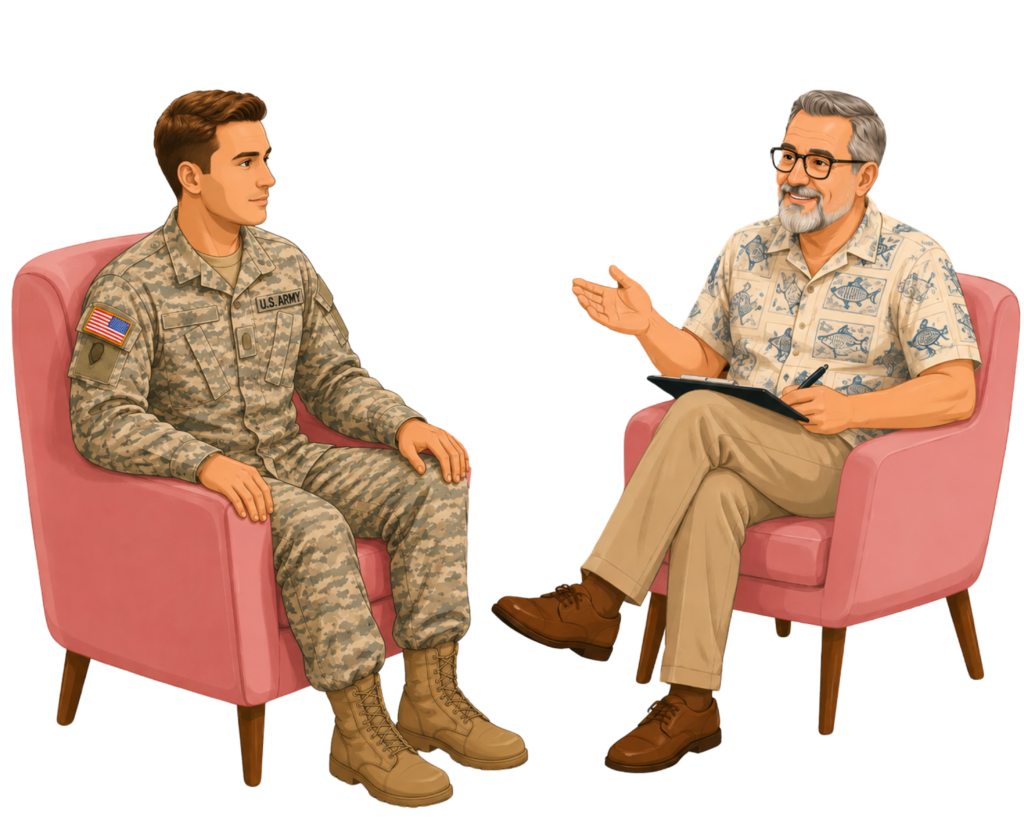
Talking With a Mental Health Professional
A therapist can help identify what’s driving the symptoms and build a plan suited to the individual situation, rather than guessing at what might help.
Trauma-Focused Therapy
Approaches like EMDR or trauma-focused CBT are specifically designed to help the brain process traumatic memories differently, often reducing the frequency and intensity of flashbacks and nightmares over time.
Grounding Techniques
Simple grounding strategies, like naming what you see, hear, and feel around you, can help bring someone back to the present moment during a flashback.
Improving Sleep and Daily Routines
Consistent sleep habits and daily structure won’t resolve trauma on their own, but they can reduce some of the exhaustion that makes symptoms harder to manage.
Building a Support System
Trusted friends, family, or peer support groups, especially ones made up of people in similar professions, can make a meaningful difference in how manageable this all feels.
When Should You Seek Help for Work Trauma?
It’s worth reaching out for professional support if flashbacks or nightmares are frequent, aren’t improving, or are starting to affect sleep, relationships, or work performance. If someone feels unsafe, or is having thoughts of self-harm, that calls for urgent help right away rather than waiting to see if things improve on their own.
Can Work Trauma Symptoms Get Better?
Yes, with the right support, these symptoms often do improve. Recovery isn’t usually instant, and it doesn’t always follow a straight line, but many people see real progress with trauma-focused therapy and consistent support over time. The right approach depends on the person and what they’ve been through, which is part of why professional guidance matters.
Frequently Asked Questions
Flashbacks often happen after the brain processes a distressing or overwhelming event in a way that makes it easier to trigger later, sometimes from something that only loosely resembles the original situation.
Yes. Nightmares are one of the more common ways trauma resurfaces, especially when the event or ongoing stress hasn’t been fully processed.
No. Flashbacks can happen without meeting the criteria for PTSD. Frequency, intensity, and impact on daily life are what typically point toward a larger issue.
Trauma-focused therapy is often the most effective approach, sometimes combined with better sleep habits and stress management.
Grounding techniques, such as focusing on your immediate physical surroundings, can help bring you back to the present moment.
Getting Support for PTSD in First Responders
PTSD in first responders is common, underreported, and treatable. Recognizing the warning signs, understanding the risk factors, and knowing when symptoms have crossed from manageable to something that requires professional attention are all meaningful steps. Emergency personnel carry an enormous amount so that others don’t have to. That service doesn’t require suffering in silence. Anyone experiencing persistent PTSD symptoms is encouraged to speak with a qualified mental health professional who can provide appropriate, individualized support.
Positive Motivators
- Henry Wadsworth Longfellow, The Contemplative Counselor; Fortress Press, 2011, p 64
- New American Standard Bible: 1995 update. (1995). (Jn 16:13). La Habra, CA: The Lockman Foundation.
- Ibid, Psalm 46:10
- Nolasko, Rolph R. jr; The Contemplative Counselor; Fortress Press, 2011; p 61
- Ibid
- LifeCrafters Coaching & Support Services LLC
- www.lccoach.org
- david.hooker@lccoach.org
- 503-344-6348
Speaking with clarity and honesty creates space for understanding and meaningful connection.

Author, David Hooker
Timing matters. Important conversations are most productive when both partners are calm, available, and emotionally regulated. Avoid raising sensitive topics during moments of stress or exhaustion. Creating intentional space for conversations allows both partners to engage thoughtfully and respectfully.
Handle Conflict Constructively
Disagreements are normal in any relationship. Focus on addressing the issue rather than criticizing your partner. Stay curious about their perspective, take responsibility for your part, and avoid absolutes like “always” or “never.” Working as a team toward solutions strengthens resilience and mutual respect.
Show Appreciation and Affection
Positive communication isn’t just about resolving problems—it’s also about reinforcing connection. Regularly expressing gratitude, affection, and acknowledgment helps your partner feel valued. Small gestures of appreciation can soften difficult conversations and create a more supportive emotional climate.
Bringing It All Together
Improving communication takes time, patience, and practice from both partners. By listening with intention, speaking honestly, choosing the right moments, managing conflict thoughtfully, and showing appreciation, you create a stronger foundation for connection. Small, consistent changes in how you communicate can lead to deeper understanding, greater emotional safety, and a more fulfilling relationship.