Are the new ways better?
Military service can expose veterans to experiences that challenge their deepest beliefs about right and wrong. Some service members return home carrying memories of difficult decisions, actions they regret, or situations where they could not prevent harm. Even years after leaving the military, these experiences can affect how they see themselves and interact with others.
For many veterans, the emotional impact goes beyond remembering difficult events. They may struggle with guilt, shame, anger, or the belief that they no longer deserve happiness. These feelings can gradually damage their confidence and ability to trust their own judgment.
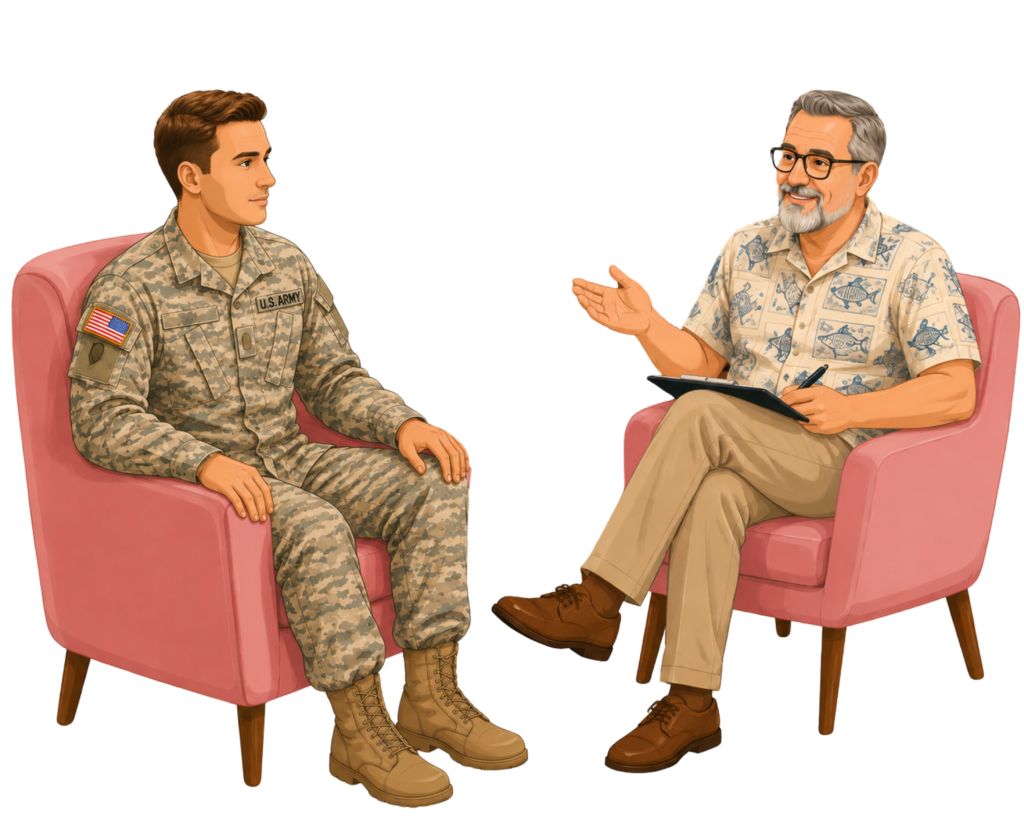
Moral Injury Coaching for Veterans can provide a supportive space to examine these experiences, reconnect with personal values, and develop healthier ways of relating to themselves. Through guided reflection, accountability, and values-based personal growth, veterans can begin rebuilding self-trust and creating a meaningful life beyond their past experiences.
Understanding Moral Injury in Military Veterans
Moral injury develops when someone experiences an event that conflicts with their deeply held moral beliefs or values. In military settings, this may involve participating in an action that causes harm, witnessing an event that violates personal principles, or being unable to prevent something they believe was wrong.
For example, a veteran may struggle with a decision made during combat, the loss of fellow service members, harm experienced by civilians, or perceived betrayal by military leadership. Some veterans also experience moral distress after following orders that conflict with their personal beliefs.
According to the U.S. Department of Veterans Affairs, moral injury can involve psychological, behavioral, social, and spiritual difficulties. Common reactions include guilt, shame, anger, disgust, and difficulty forgiving oneself.
Moral injury is not the same as post-traumatic stress disorder (PTSD), although both can occur together. PTSD often involves symptoms such as intrusive memories, avoidance, and heightened alertness. Moral injury more directly involves distress surrounding personal values, responsibility, trust, and a person’s sense of right and wrong.
Understanding this difference helps veterans recognize why their struggles may continue even when they are no longer in immediate danger.
How Moral Injury Can Damage Self-Trust
Self-trust means believing in your ability to make decisions, act according to your values, and respond to difficult situations. After a morally distressing experience, veterans may begin questioning these abilities.
An event that conflicts with personal beliefs can change how someone views their entire identity. Instead of recognizing a difficult decision as one part of their life, they may begin defining themselves entirely through that experience.
Several emotional patterns can contribute to this loss of self-trust.
Persistent Guilt and Self-Blame
Veterans may repeatedly revisit past decisions and imagine different outcomes. They might question whether they could have prevented an injury, protected someone, or made a better choice.
Although reflection can help people understand difficult experiences, constant self-blame can make it difficult to recognize the circumstances and limitations surrounding an event.
Shame and Negative Self-Perception
Guilt often focuses on something a person believes they did wrong. Shame can go further by making someone believe they are fundamentally bad or undeserving of respect.
A veteran experiencing deep shame may struggle to accept compliments, maintain relationships, or feel comfortable discussing personal achievements. These beliefs can gradually weaken confidence and self-worth.
Fear of Making Future Decisions
When veterans lose confidence in their previous decisions, they may become overly cautious about making new ones. They might question their judgment, avoid responsibility, or depend heavily on other people’s opinions.
This hesitation can affect professional opportunities, family responsibilities, and everyday choices.
Difficulty Trusting Others
Moral injury can also affect relationships. Veterans who have experienced betrayal or witnessed actions that violated their values may find it difficult to trust other people.
They may withdraw from friends, avoid meaningful conversations, or feel disconnected from people who have not shared similar experiences.
How Moral Injury Coaching for Veterans Helps Rebuild Self-Trust
Rebuilding self-trust requires more than simply telling yourself to move forward. Veterans need opportunities to understand their experiences, examine the beliefs they developed afterward, and make decisions that reflect the values they want to live by today.
Moral Injury Coaching for Veterans can support this process through several areas of personal development.
1. Recognizing the Difference Between Guilt and Personal Identity
One important step is separating a difficult experience from a person’s entire identity.
A veteran may believe that a past action defines everything about who they are. Coaching can encourage reflection on the difference between regretting an action and believing that personal growth is no longer possible.
This process does not dismiss responsibility or minimize the impact of past events. Instead, it helps veterans examine their experiences without reducing their entire identity to one moment.
Recognizing personal strengths, positive contributions, and values can help create a more balanced view of themselves.
2. Understanding Personal Values and Beliefs
Military experiences can challenge values that veterans have followed throughout their lives. Some may question their beliefs about loyalty, responsibility, courage, justice, or protecting others.
Coaching can help veterans identify which values remain important and how they want those values to influence their lives today.
For example, someone who values protecting others may find meaning in mentoring younger people, supporting fellow veterans, or contributing to their community.
These activities provide opportunities to demonstrate personal values through present-day actions rather than remaining focused entirely on past experiences.
3. Developing Self-Compassion
Many veterans extend understanding and patience to other people but struggle to offer themselves the same consideration.
Self-compassion involves recognizing personal suffering without responding with constant criticism or punishment. It does not mean avoiding accountability or pretending that painful experiences never happened.
Through guided reflection, veterans can begin questioning unrealistic expectations they place on themselves. They can also consider the circumstances, available information, and limitations that influenced difficult decisions.
Developing a more compassionate internal voice can make it easier to approach future challenges without automatically expecting failure.
4. Rebuilding Confidence Through Small Decisions
Self-trust grows through repeated experiences of making decisions and following through on commitments.
Coaching can help veterans identify manageable goals that support independence and confidence. These might include establishing healthy routines, pursuing professional interests, improving communication, or participating in community activities.
Rather than setting overwhelming expectations, the focus remains on realistic actions that veterans can complete consistently.
Each completed commitment provides an opportunity to recognize personal capability and strengthen confidence in their judgment.
5. Creating Meaningful Relationships and Support Systems
Isolation can make feelings of shame and distrust more difficult to manage. Veterans may avoid conversations because they fear being misunderstood or judged.
Coaching can encourage healthier communication, boundary-setting, and reconnection with supportive people.
Connecting with other veterans can also provide a sense of understanding and belonging. Peer support groups allow individuals to share experiences with people who may recognize the challenges associated with military service.
Building supportive relationships helps veterans understand that they do not have to manage every difficult emotion alone.
6. Creating a Purpose Beyond Military Experiences
Leaving military service often involves changes in identity, responsibilities, and daily routines. When moral injury is also present, finding a new sense of purpose can become especially challenging.
Coaching can help veterans identify interests, goals, and personal contributions that give their lives meaning today.
Some may explore new careers, volunteer opportunities, family goals, or leadership roles. Others may find purpose through creative activities, education, or supporting fellow service members.
The objective is not to erase military experiences but to recognize that those experiences do not have to determine every part of the future.
Practical Ways Veterans Can Begin Rebuilding Self-Trust
Personal growth often starts with small, consistent actions. Veterans experiencing moral distress can consider several practices as part of their broader support plan.
- Write down personal values: Identify the principles that matter most and consider how to apply them in everyday decisions.
- Challenge harsh self-judgment: Examine whether negative beliefs reflect the full circumstances of an event or only personal blame.
- Set realistic commitments: Choose achievable daily or weekly goals and follow through on them.
- Reconnect with supportive people: Make time for relationships that encourage honest communication and mutual respect.
- Recognize personal progress: Acknowledge positive decisions and meaningful actions instead of focusing exclusively on past mistakes.
These practices are not a substitute for professional mental health treatment, but they can complement appropriate support and encourage healthier daily habits.
When Veterans Should Consider Professional Support
Moral injury can have a lasting effect on emotional well-being, relationships, and everyday functioning. Coaching may help with personal goals, values clarification, confidence, and future planning. However, it is important to understand its limitations.
Moral injury is not a formal mental health diagnosis, and coaching is not a replacement for psychotherapy or psychiatric care.
Veterans experiencing severe guilt, persistent depression, trauma symptoms, substance misuse, or thoughts of self-harm should seek support from a qualified mental health professional. Evidence-informed approaches being studied or used for moral injury include Cognitive Processing Therapy, Adaptive Disclosure, and Trauma-Informed Guilt Reduction Therapy.
A licensed mental health professional can help determine which approach is appropriate for an individual’s circumstances. Coaching can complement clinical care when both are suitable and coordinated appropriately.
Rebuilding Self-Trust Starts With a Different Relationship With Yourself
The experiences veterans carry after military service can influence how they see themselves for many years. Guilt, shame, and unresolved moral questions may make it difficult to trust personal decisions or believe in a positive future.
However, a difficult past does not eliminate the possibility of personal growth. With appropriate support, veterans can examine their beliefs, reconnect with important values, strengthen relationships, and develop goals that reflect the people they want to become.
Moral Injury Coaching for Veterans can be one part of this process by providing structure, accountability, and support for meaningful personal development. Rebuilding self-trust does not require forgetting what happened. It begins with recognizing that past experiences are part of a person’s story, not the complete definition of who they are.
Frequently Asked Questions
You can expect an introductory conversation about your current circumstances, personal challenges, and future goals. Your coach may ask questions to understand your priorities and explain how the coaching process works. You may also discuss session frequency, expectations, confidentiality, and possible next steps.
A life coach may ask questions about your goals, strengths, challenges, habits, and personal values. Common questions include what you want to change, what is holding you back, and which actions could help you move forward. These conversations encourage self-reflection and help establish practical objectives.
Life coaches may use goal-setting activities, values assessments, journaling, visualization, strengths assessments, and self-reflection exercises. These activities help clients understand their priorities, recognize personal strengths, and identify practical ways to work toward their objectives.
Meeting frequency depends on your goals and coaching arrangement. Many people schedule weekly or biweekly sessions, while others prefer monthly appointments. Your coach can help establish a schedule that provides enough time to complete exercises, apply new strategies, and review progress.
Yes. A life coach can help you identify situations that affect your confidence, recognize your strengths, and develop practical strategies for approaching challenges. Exercises involving goal setting, communication, and self-reflection may help you become more comfortable making decisions and taking action.
Getting Support for PTSD in First Responders
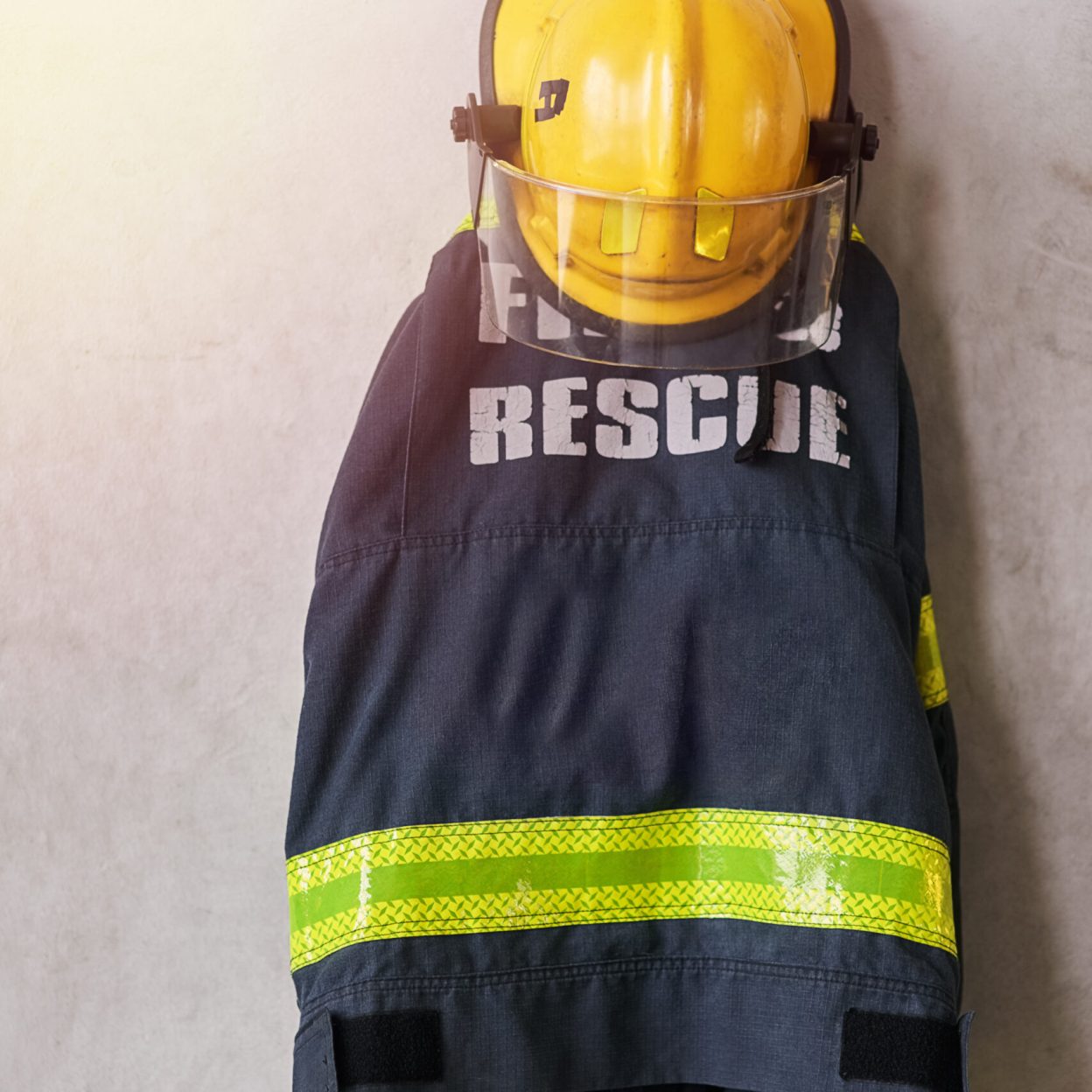
PTSD in first responders is common, underreported, and treatable. Recognizing the warning signs, understanding the risk factors, and knowing when symptoms have crossed from manageable to something that requires professional attention are all meaningful steps. Emergency personnel carry an enormous amount so that others don’t have to. That service doesn’t require suffering in silence. Anyone experiencing persistent PTSD symptoms is encouraged to speak with a qualified mental health professional who can provide appropriate, individualized support.
Positive Motivators
- Henry Wadsworth Longfellow, The Contemplative Counselor; Fortress Press, 2011, p 64
- New American Standard Bible: 1995 update. (1995). (Jn 16:13). La Habra, CA: The Lockman Foundation.
- Ibid, Psalm 46:10
- Nolasko, Rolph R. jr; The Contemplative Counselor; Fortress Press, 2011; p 61
- Ibid
- LifeCrafters Coaching & Support Services LLC
- www.lccoach.org
- david.hooker@lccoach.org
- 503-344-6348
Speaking with clarity and honesty creates space for understanding and meaningful connection.

Author, David Hooker
Timing matters. Important conversations are most productive when both partners are calm, available, and emotionally regulated. Avoid raising sensitive topics during moments of stress or exhaustion. Creating intentional space for conversations allows both partners to engage thoughtfully and respectfully.
Handle Conflict Constructively
Disagreements are normal in any relationship. Focus on addressing the issue rather than criticizing your partner. Stay curious about their perspective, take responsibility for your part, and avoid absolutes like “always” or “never.” Working as a team toward solutions strengthens resilience and mutual respect.
Show Appreciation and Affection
Positive communication isn’t just about resolving problems—it’s also about reinforcing connection. Regularly expressing gratitude, affection, and acknowledgment helps your partner feel valued. Small gestures of appreciation can soften difficult conversations and create a more supportive emotional climate.
Bringing It All Together
Improving communication takes time, patience, and practice from both partners. By listening with intention, speaking honestly, choosing the right moments, managing conflict thoughtfully, and showing appreciation, you create a stronger foundation for connection. Small, consistent changes in how you communicate can lead to deeper understanding, greater emotional safety, and a more fulfilling relationship.