Are the new ways better?
Military sexual assault leaves effects that can extend far beyond the incident itself. Survivors may carry emotional weight, changed relationships, and disrupted senses of safety for months or years afterward. Some experiences are immediate and intense. Others surface gradually. However, the effects show up for you; three things are worth saying at the outset: the assault was not your fault, there is no single correct way to respond or recover, and healing does not have to happen on anyone else’s timeline. This article offers practical, compassionate guidance for survivors of military sexual assault who are considering what support and next steps might feel right for them.
Understanding the Effects of Military Sexual Assault
The effects of military sexual assault can touch many areas of a person’s life. Survivors may notice anxiety, fear, sadness, anger, or periods of emotional numbness. Shame and self-blame are common reactions, even though responsibility for the assault belongs entirely to the person who committed it, not the survivor.
Sleep disturbances, difficulty concentrating, and avoiding situations that feel connected to the experience are all possible responses. Some survivors find it hard to trust others, including people they were once close to. Feeling isolated from peers, unit members, or family is also something many survivors describe.
The military environment can add particular complexity. Concerns about rank differences, career consequences, being disbelieved, or facing retaliation may influence whether and how a survivor seeks support. These concerns are real and understandable. They do not reflect weakness. Not every survivor experiences every one of these difficulties, and there is no checklist a person needs to match in order for their experience to be valid.
How to Begin Healing From Military Sexual Assault
Healing is not a single event or a fixed sequence of steps. It is a personal process that looks different for each survivor. The following guidance is not a prescription. It is a set of options to consider when and if they feel right.
1. Give Yourself Permission to Process Your Experience
There is no correct emotional response to sexual assault. Survivors may feel anger, grief, relief, confusion, or nothing for a period of time. All of these are human responses to an experience that should never have happened. You do not need to have your feelings organized or make sense of everything before you deserve care and support.
Responsibility for the assault belongs to the person who committed it. Full stop.
2. Focus on Safety and Personal Boundaries
Establishing a sense of safety in everyday life is often a meaningful early step. This might mean spending more time in environments that feel comfortable, limiting contact with people who cause distress, or deciding carefully what personal information to share and with whom.
You are allowed to set boundaries without explanation or justification. You are allowed to say no, to step back from situations that feel unsafe, and to protect your own wellbeing. These are not signs of weakness. They are acts of self-care.
3. Consider Speaking With Someone You Trust
Talking about your experience can be an important part of healing for some survivors, though it is not a requirement. If there is a trusted friend, family member, peer, or counselor in your life, you might consider sharing something with them, at whatever level of detail feels comfortable.
You do not have to describe the assault in detail to deserve support. You can simply say that you have been through something difficult and that you could use someone to listen.
If a first conversation does not go the way you hoped, that reflects the limitations of that particular person or moment, not your worth or the validity of your experience. Support is still available even when individual conversations fall short.
4. Explore Trauma-Informed Professional Support
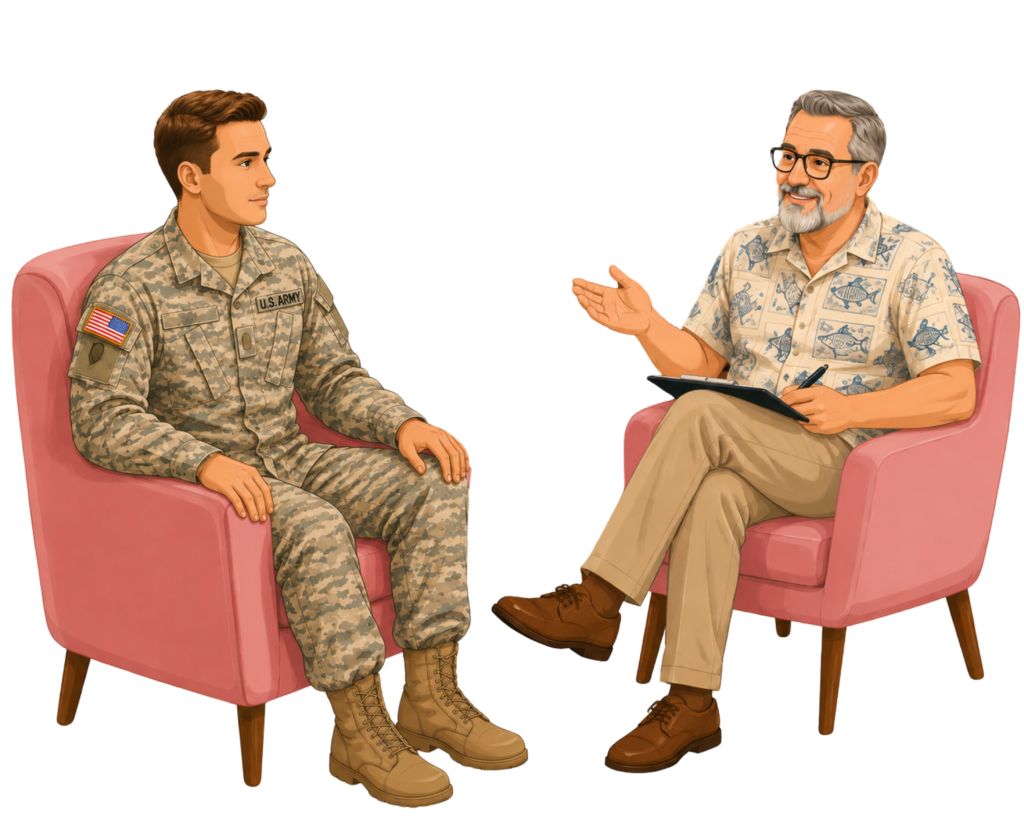
A qualified mental health professional with experience in sexual assault or military-related trauma can offer structured support that goes beyond what a conversation with a trusted person can provide. This might include trauma-informed counseling, evidence-based approaches to processing traumatic experiences, or other professional care suited to your specific situation.
If you are considering working with a professional, you are allowed to ask questions first. Asking about their experience with military sexual trauma, how they approach confidentiality, and what their methods involve are all reasonable things to want to understand before you decide whether to proceed.
Coaching and peer support can play a useful role in some recovery journeys, but they are not substitutes for licensed mental health care when clinical support is what a person needs.
5. Take Small Steps Toward Rebuilding Trust and Connection
Trust can be damaged by sexual assault, particularly when it was committed by someone within a shared community, chain of command, or close relationship. Rebuilding it does not happen all at once, and it does not have to.
Recovery may involve reconnecting with certain people carefully and on your own terms, identifying which relationships feel genuinely safe, and deciding what healthy connection looks like for you going forward. You are not required to forgive the person who harmed you, reconcile with anyone you do not feel safe around, or maintain connections with a military community that no longer feels supportive.
6. Recognize Progress Without Expecting a Straight Line
Recovery is rarely a steady upward path. Difficult days happen. They do not erase the progress you have made or mean that healing is no longer possible. Progress can look like asking for help for the first time, setting a boundary you previously would not have, or noticing that a situation that previously felt unbearable now feels slightly more manageable.
Be patient with yourself in a way that you would be patient with someone else you care about.
Finding Support After Military Sexual Assault
Support options vary based on a person’s military status, location, and personal circumstances. A few areas worth considering:
The U.S. Department of Veterans Affairs (VA) offers resources specifically for military sexual trauma, which the VA defines as sexual assault or repeated, threatening sexual harassment that occurred during military service. Veterans can contact their local VA facility to ask about MST-related services, which may include counseling and other support.
The Department of Defense Sexual Assault Prevention and Response (SAPR) program provides support services for active-duty service members, with options for both confidential and official reporting. Before sharing sensitive information with any provider, it is reasonable to ask about their confidentiality obligations and any circumstances that could affect privacy.
Survivor support organizations, qualified independent mental health professionals, and peer support programs are additional avenues to consider. Anyone in immediate danger should contact local emergency services.
How Loved Ones Can Support a Military Sexual Assault Survivor
If someone you love has experienced military sexual assault, your role is to offer support without directing or pressuring their choices.
Listen without judgment. Believe them. Avoid questions that assign blame, such as asking why they were somewhere or why they did not say anything sooner. Ask what kind of support would feel helpful rather than assuming. Respect their decisions about whether to report, what to disclose, and how quickly to move.
You cannot control another person’s recovery, and trying to do so, however well-intentioned, can increase pressure rather than ease it. Being a consistent, non-judgmental presence matters more than having the right words.
Moving Forward at Your Own Pace
Healing from military sexual assault does not require following a fixed timeline, sharing your story publicly, or making every decision immediately. It involves small, considered steps taken when they feel manageable: prioritizing safety, respecting your own limits, identifying trustworthy support, and considering professional care when you are ready.
If you are looking for a place to start, speaking with a qualified professional or contacting a survivor support resource is a meaningful option, one that does not require you to have all the answers first.
Frequently Asked Questions
A survivor can begin by prioritizing personal safety, recognizing that the assault was not their fault, and identifying sources of support that feel trustworthy. Seeking professional help from a qualified mental health provider experienced in trauma or military sexual trauma is an important option when the survivor is ready.
Military sexual assault refers to the assault itself. Military sexual trauma, or MST, is a term used by the U.S. Department of Veterans Affairs to describe experiences of sexual assault or repeated, threatening sexual harassment during military service. The VA uses this term to define eligibility for certain services, and not all survivors use the same language to describe their experiences.
Yes. Some survivors experience effects long after the incident, including changes in how they relate to others, feel about themselves, or respond to certain situations. Others may not notice significant effects immediately. There is no single timeline for how trauma presents, and experiencing delayed effects does not diminish the validity of a survivor’s experience.
Veterans may explore resources through the U.S. Department of Veterans Affairs, which offers counseling and support related to military sexual trauma. Independent, qualified mental health professionals and survivor support organizations are also options. Before sharing personal details with any provider, asking about confidentiality and reporting obligations is a reasonable and appropriate step.
Listen without judgment and believe what the survivor shares. Avoid questions that suggest blame. Respect their choices about reporting, disclosure, and recovery. Ask what kind of support would feel helpful rather than assuming. Do not pressure them to forgive, share details, or move forward faster than they are ready to. Your steady, non-judgmental presence is one of the most meaningful things you can offer.
Getting Support for PTSD in First Responders
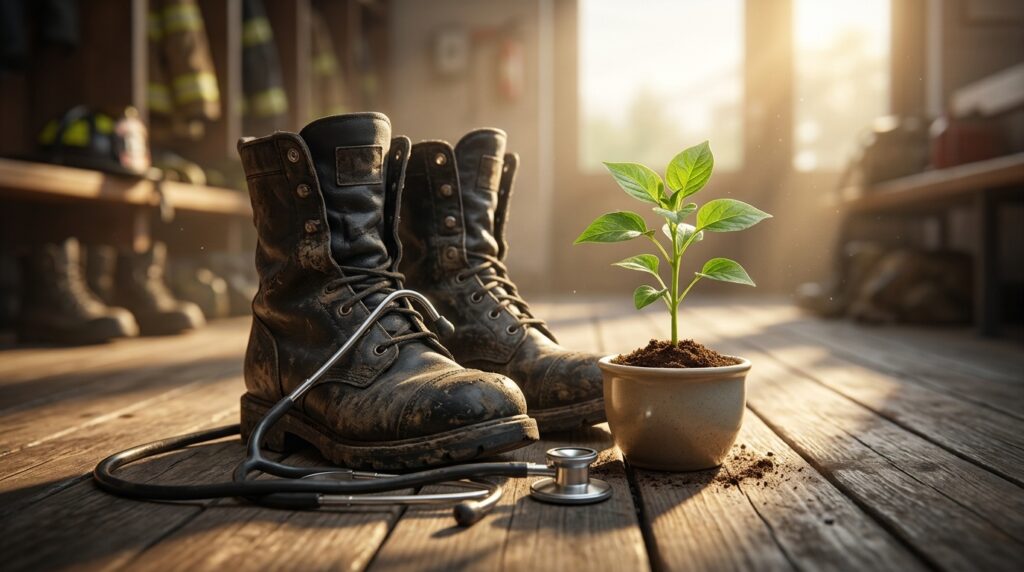
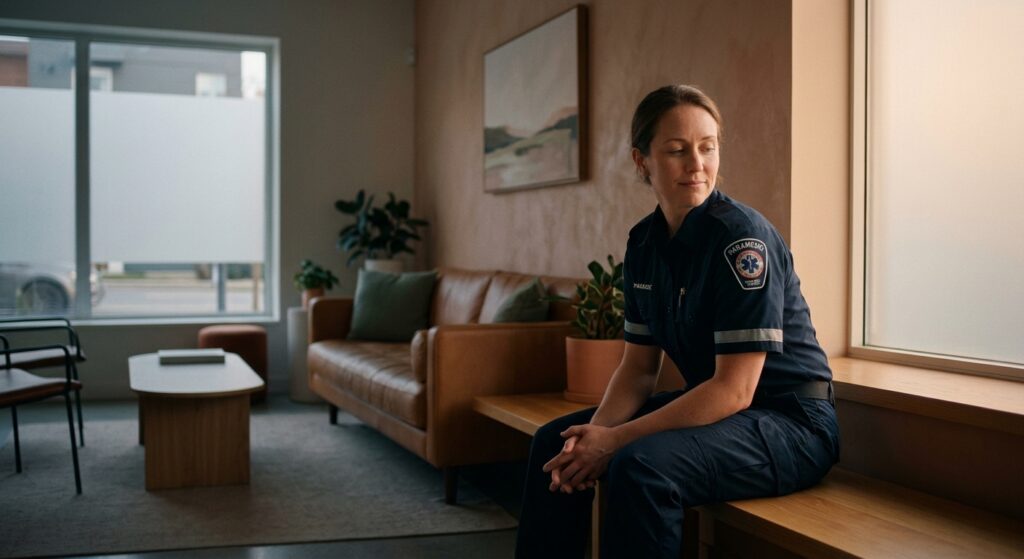
PTSD in first responders is common, underreported, and treatable. Recognizing the warning signs, understanding the risk factors, and knowing when symptoms have crossed from manageable to something that requires professional attention are all meaningful steps. Emergency personnel carry an enormous amount so that others don’t have to. That service doesn’t require suffering in silence. Anyone experiencing persistent PTSD symptoms is encouraged to speak with a qualified mental health professional who can provide appropriate, individualized support.
Positive Motivators
- Henry Wadsworth Longfellow, The Contemplative Counselor; Fortress Press, 2011, p 64
- New American Standard Bible: 1995 update. (1995). (Jn 16:13). La Habra, CA: The Lockman Foundation.
- Ibid, Psalm 46:10
- Nolasko, Rolph R. jr; The Contemplative Counselor; Fortress Press, 2011; p 61
- Ibid
- LifeCrafters Coaching & Support Services LLC
- www.lccoach.org
- david.hooker@lccoach.org
- 503-344-6348
Speaking with clarity and honesty creates space for understanding and meaningful connection.
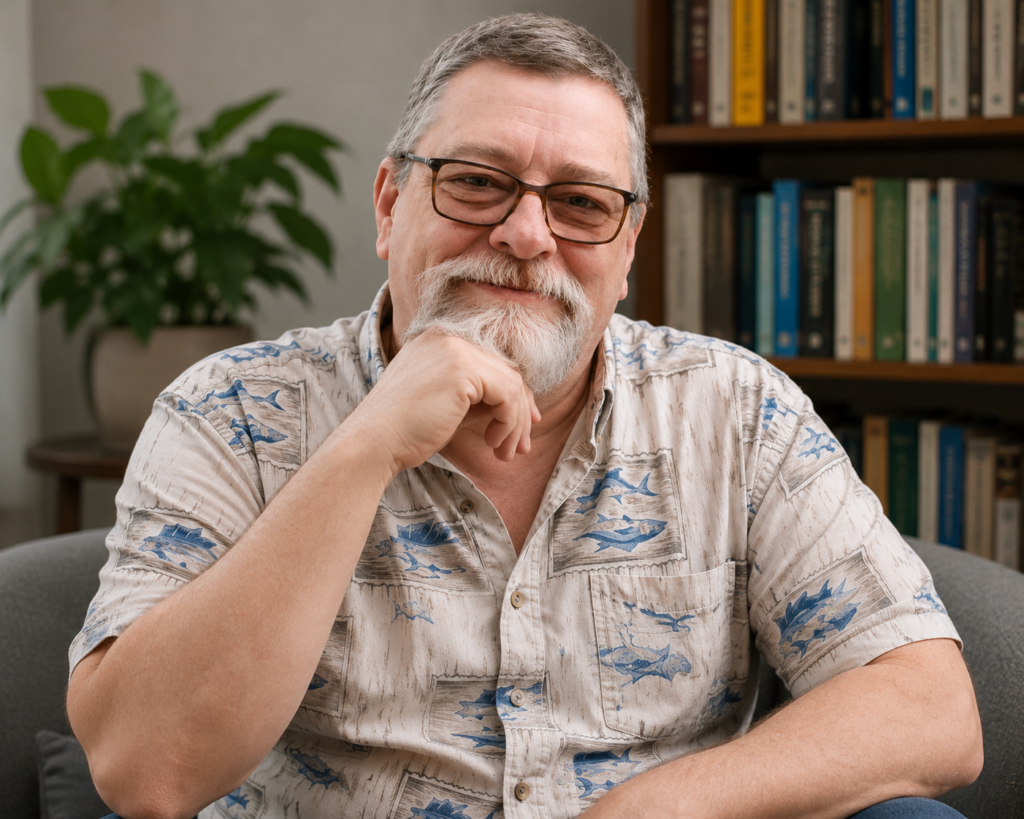
Author, David Hooker
Timing matters. Important conversations are most productive when both partners are calm, available, and emotionally regulated. Avoid raising sensitive topics during moments of stress or exhaustion. Creating intentional space for conversations allows both partners to engage thoughtfully and respectfully.
Handle Conflict Constructively
Disagreements are normal in any relationship. Focus on addressing the issue rather than criticizing your partner. Stay curious about their perspective, take responsibility for your part, and avoid absolutes like “always” or “never.” Working as a team toward solutions strengthens resilience and mutual respect.
Show Appreciation and Affection
Positive communication isn’t just about resolving problems—it’s also about reinforcing connection. Regularly expressing gratitude, affection, and acknowledgment helps your partner feel valued. Small gestures of appreciation can soften difficult conversations and create a more supportive emotional climate.
Bringing It All Together
Improving communication takes time, patience, and practice from both partners. By listening with intention, speaking honestly, choosing the right moments, managing conflict thoughtfully, and showing appreciation, you create a stronger foundation for connection. Small, consistent changes in how you communicate can lead to deeper understanding, greater emotional safety, and a more fulfilling relationship.