Are the new ways better?
Returning from military service is rarely a straightforward transition. For many veterans in Gladstone, Oregon and the surrounding Clackamas County area, the adjustment to civilian life can surface unexpected challenges, strained relationships, difficulty with everyday routines, a loss of structure and purpose, or persistent emotional weight that doesn’t simply fade with time. Trauma recovery coaching is one form of support that may help veterans work through these transitions in a structured, goal-focused way. But not every coach is the right fit for every person. Knowing what to look for, what questions to ask, and what boundaries a coaching relationship should respect makes the difference between a genuinely useful experience and one that falls short.
Understand What Trauma Recovery Coaching Actually Offers
Before choosing a coach, it helps to be clear about what coaching is and what it is not.
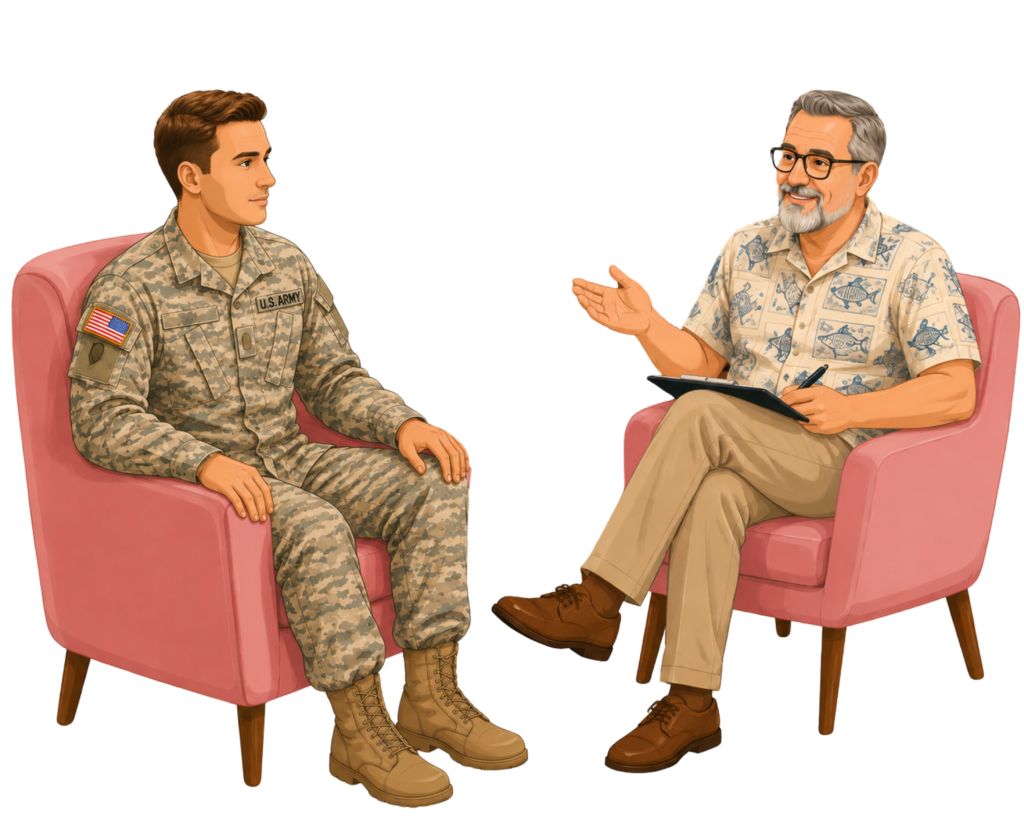
Trauma recovery coaching for veterans focuses on practical personal development. A coach may help a veteran identify goals for civilian life, develop healthier daily routines, work on communication patterns, rebuild confidence, and create action plans around employment, education, or relationships. The work is forward-focused and client-led.
Coaching is not a clinical service. It does not diagnose or treat PTSD, depression, or other mental health conditions. Veterans experiencing significant distress, symptoms that impair daily functioning, or thoughts of self-harm should seek qualified mental health care first. In the United States, the Veterans Crisis Line is available by calling 988 and pressing 1, or by texting 838255.
A reputable trauma recovery coach will be clear about these boundaries and will refer clients to appropriate professional support when their needs go beyond what coaching can address.
Look for Relevant Experience With Veterans and Military Transitions
General life coaching training does not automatically prepare someone to work effectively with veterans. When evaluating a coach, ask specifically about their background in working with veterans, former service members, or people navigating trauma-related life transitions.
Relevant experience might include working with individuals adjusting after military service, supporting people who have experienced high-stress or high-stakes environments, or training in trauma-informed approaches that are appropriate within a coaching context.
Trauma-informed coaching means the coach understands that past experiences can shape a person’s behavior, communication, and readiness to engage with certain topics. It means the pace of the work respects the client’s comfort and boundaries. It does not mean the coach is qualified to provide trauma therapy or process traumatic memories in a clinical sense.
Ask the coach directly: What is your experience working with veterans? How do you approach working with someone who has experienced combat-related stress? How do you decide when to refer a client to a mental health professional?
Their answers will tell you a great deal about whether they are a genuine fit.
Ask About Qualifications and Scope of Practice
Coaching is not a licensed profession in the way that therapy and counseling are. This means the title of “coach” can be used broadly, and the range of training behind it varies considerably.
When evaluating a trauma recovery coach in the Gladstone area, ask about their coaching credentials and training background. Reputable coaching certifications from recognized organizations indicate that the coach has completed structured training and adheres to professional standards, including ethical guidelines around scope of practice.
Equally important is whether the coach is honest about the limits of what they can offer. A trustworthy coach will tell you clearly that coaching does not replace clinical treatment, will not make unsupported claims about curing PTSD or trauma, and will actively support your access to other services when needed.
Be cautious of any coach who implies they can treat trauma clinically, guarantees specific outcomes, or discourages you from seeking mental health care alongside coaching.
Assess the Practical Fit: Format, Availability, and Fees
Logistics matter. Before committing to a coaching relationship, clarify the practical details.
Find out whether sessions are conducted in person, by phone, or through video. For veterans in Gladstone and the broader Portland metropolitan area, online coaching can expand access significantly, making it possible to work with a coach whose approach is well-suited to your needs regardless of exact location.
Understand the session structure. How frequently do sessions occur? How long does a typical engagement last? Is there flexibility if your schedule or needs change?
Ask about fees upfront. A reputable coach is transparent about their pricing and does not obscure costs. Find out whether there is a trial session or initial consultation that allows you to assess the fit before making a longer-term commitment.
Confidentiality is another practical matter worth raising directly. A professional coach should be clear about how information shared in sessions is handled and what, if any, circumstances would require disclosure.
Trust Your Own Assessment of the Relationship
Perhaps the most practical indicator of whether a coach is right for you is how the relationship itself feels in the early stages. A good coaching relationship should feel respectful, unhurried, and genuinely focused on your goals rather than the coach’s agenda.
You should feel comfortable asking questions, disagreeing, or saying that a particular approach is not working for you. A coach who responds to honest feedback with flexibility and curiosity is demonstrating the kind of collaborative approach that makes coaching productive. A coach who responds defensively or pushes through your stated boundaries is not.
Veterans in Gladstone, Oregon and nearby communities have earned the right to support that takes their experiences seriously and works at a pace and in a direction that makes sense for them. Take the time to evaluate your options carefully. The right coach will welcome that process rather than pressure you to move quickly.
Take the Next Step
Choosing a trauma recovery coach is a personal decision that deserves careful thought. If you are a veteran in the Gladstone area considering coaching support for life transitions, personal goals, or emotional adjustment after military service, Life Crafters Coaching invites you to reach out and discuss whether its approach is a good fit for your needs. There is no obligation, no pressure, and no expectation that you have everything figured out before the first conversation.
Frequently Asked Questions
A trauma recovery coach helps veterans identify personal goals, develop practical routines, improve communication, and create action plans for civilian life. The work is forward-focused and client-driven. Coaching does not diagnose or treat PTSD or other clinical conditions. It provides structured personal development support alongside, not instead of, professional mental health care when that care is needed.
No. Trauma recovery coaching and PTSD therapy serve different purposes. A qualified mental health professional provides clinical assessment and evidence-based treatment for PTSD. A trauma recovery coach supports goal-setting, personal development, and life transitions within a non-clinical framework. Veterans with significant symptoms or impairment should prioritize mental health care. Coaching can complement that care when appropriate and coordinated with the client’s overall support plan.
Start by researching coaches who have relevant experience working with veterans or military-related transitions. Ask about their training, qualifications, scope of practice, and referral practices. Confirm the session format, fees, and confidentiality approach before committing. A reputable coach will be transparent about what coaching can and cannot offer, and will support your access to professional mental health services when your needs require it.
Getting Support for PTSD in First Responders
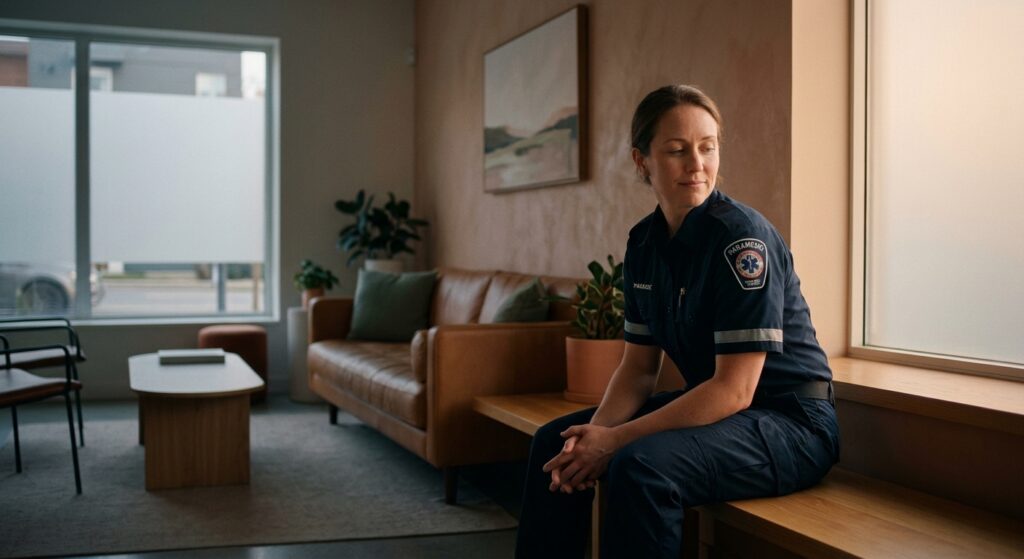
PTSD in first responders is common, underreported, and treatable. Recognizing the warning signs, understanding the risk factors, and knowing when symptoms have crossed from manageable to something that requires professional attention are all meaningful steps. Emergency personnel carry an enormous amount so that others don’t have to. That service doesn’t require suffering in silence. Anyone experiencing persistent PTSD symptoms is encouraged to speak with a qualified mental health professional who can provide appropriate, individualized support.
Positive Motivators
- Henry Wadsworth Longfellow, The Contemplative Counselor; Fortress Press, 2011, p 64
- New American Standard Bible: 1995 update. (1995). (Jn 16:13). La Habra, CA: The Lockman Foundation.
- Ibid, Psalm 46:10
- Nolasko, Rolph R. jr; The Contemplative Counselor; Fortress Press, 2011; p 61
- Ibid
- LifeCrafters Coaching & Support Services LLC
- www.lccoach.org
- david.hooker@lccoach.org
- 503-344-6348
Speaking with clarity and honesty creates space for understanding and meaningful connection.

Author, David Hooker
Timing matters. Important conversations are most productive when both partners are calm, available, and emotionally regulated. Avoid raising sensitive topics during moments of stress or exhaustion. Creating intentional space for conversations allows both partners to engage thoughtfully and respectfully.
Handle Conflict Constructively
Disagreements are normal in any relationship. Focus on addressing the issue rather than criticizing your partner. Stay curious about their perspective, take responsibility for your part, and avoid absolutes like “always” or “never.” Working as a team toward solutions strengthens resilience and mutual respect.
Show Appreciation and Affection
Positive communication isn’t just about resolving problems—it’s also about reinforcing connection. Regularly expressing gratitude, affection, and acknowledgment helps your partner feel valued. Small gestures of appreciation can soften difficult conversations and create a more supportive emotional climate.
Bringing It All Together
Improving communication takes time, patience, and practice from both partners. By listening with intention, speaking honestly, choosing the right moments, managing conflict thoughtfully, and showing appreciation, you create a stronger foundation for connection. Small, consistent changes in how you communicate can lead to deeper understanding, greater emotional safety, and a more fulfilling relationship.