Are the new ways better?
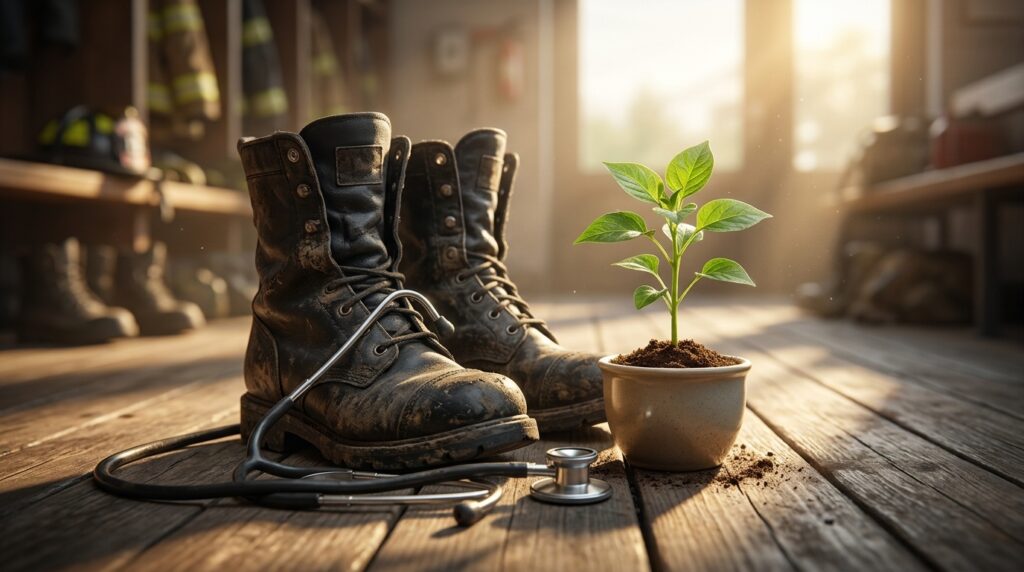
Post-traumatic stress disorder affects a significant portion of the veteran population, yet a substantial number of those living with its effects never receive adequate support. Some do not pursue treatment because of stigma. Others try clinical routes and find them helpful but incomplete, particularly when it comes to the practical, daily work of rebuilding a life outside the military structure. Trauma coaching for veterans has emerged as a meaningful complement to traditional treatment, offering a forward-focused, goal-oriented form of support that addresses what happens between therapy sessions and after formal treatment ends. This is not about replacing clinical care. It is about filling a gap that clinical care often leaves open.
What Is Trauma Coaching?
Trauma coaching is a structured, non-clinical form of support that helps individuals who have experienced trauma move toward a more intentional and functional life. A trauma-informed coach does not diagnose, does not provide therapy, and does not process traumatic memories in the clinical sense. What they do is work with the present and the future, helping clients identify where they are stuck, what they want differently, and how to close the distance between those two things in a practical, consistent way.
For veterans specifically, trauma coaching draws on an understanding of military culture, the particular challenges of service-related trauma, and the distinct experience of transitioning into civilian life. That context matters enormously. A coach who understands what deployment, rank structure, unit cohesion, and the loss of mission actually mean can have a fundamentally different conversation than one working from a general framework.
Why Veterans May Experience PTSD
PTSD among veterans is not one experience. It develops through different pathways and presents differently depending on the individual and the nature of their service.
Combat exposure is the most widely recognized cause. Repeated proximity to violence, death, and the constant threat of harm reshapes the nervous system in ways that do not simply normalize after returning home. The brain continues operating as though the threat is ongoing long after the environment has changed.
Military sexual trauma affects veterans across all branches and service eras and remains significantly underreported. The combination of the traumatic experience itself and the institutional context in which it occurred creates a particular complexity that requires sensitive, informed support.
Serious injuries, both physical and psychological, fundamentally alter a veteran’s sense of identity and capability. Losing fellow service members produces grief that is distinct from civilian bereavement, tied up in survivor guilt, the circumstances of loss, and the absence of adequate processing time during active service.
The transition to civilian life is itself traumatic for many veterans, not in the acute sense but in the sustained, disorienting sense of losing structure, belonging, purpose, and the identity that service provided.
How Trauma Coaching Helps Veterans with PTSD
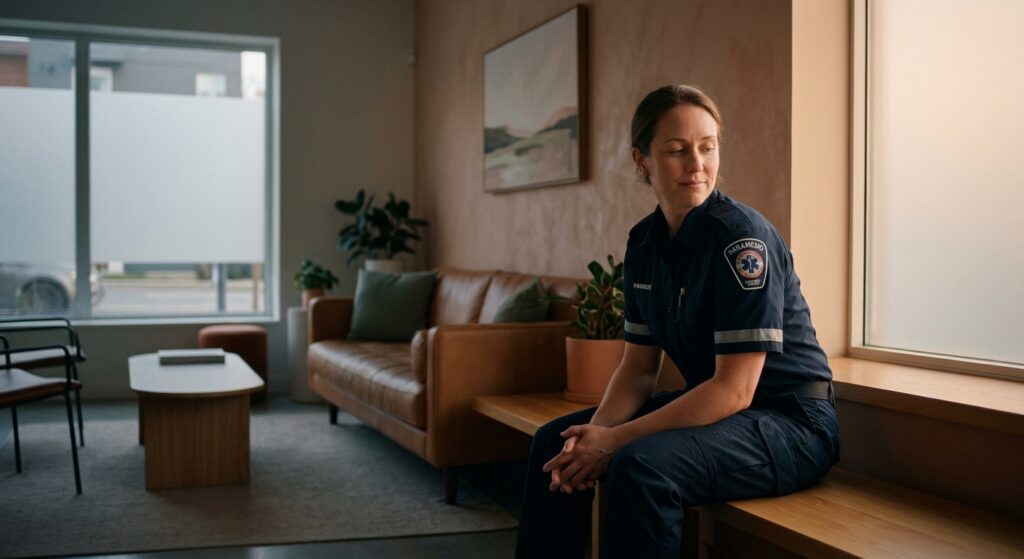
Trauma coaching operates in a space that clinical treatment sometimes does not reach: the everyday experience of living with the aftereffects of PTSD while trying to function, make decisions, and build something worth having.
Building emotional awareness is often where the work begins. Many veterans have been trained to suppress emotional responses as a matter of professional necessity. That training does not switch off after separation. Coaching creates a structured, low-stakes environment for developing the self-awareness that helps a veteran recognize what they are actually feeling, rather than operating reactively from a position of emotional suppression or sudden overwhelm.
Identifying trauma triggers allows veterans to develop a clearer relationship with their own responses. When a veteran understands which situations, environments, or interpersonal dynamics activate their stress response, they move from being controlled by those triggers to having some agency in how they respond to them.
Developing healthy coping strategies is practical work. It involves replacing strategies that were adaptive during service, hypervigilance, emotional distance, constant readiness, with responses better suited to civilian relationships and environments. This does not happen through insight alone. It requires consistent practice and accountability, which coaching provides.
Supporting confidence and self-trust addresses one of the quieter damages of PTSD, the erosion of a veteran’s belief in their own judgment and capability. Trauma coaching builds evidence, through small commitments kept and goals reached, that the individual is capable of directing their own life effectively.
Navigating the transition to civilian life is addressed directly rather than treated as secondary. Career direction, rebuilding social networks, redefining purpose outside of rank and mission, these are not peripheral concerns. For many veterans, they are the central challenge, and coaching that treats them as such produces meaningfully better outcomes.
Encouraging healthier relationships follows naturally from the other work. As emotional awareness grows and communication skills develop, relationships that were strained by PTSD symptoms often begin to shift in measurable ways.
Trauma Coaching vs. PTSD Treatment
This distinction is genuinely important and worth being direct about. PTSD is a clinical diagnosis. It is treated by licensed mental health professionals, including psychologists, psychiatrists, and licensed therapists, using evidence-based approaches such as cognitive processing therapy, prolonged exposure, and EMDR. These treatments address the neurological and psychological mechanisms of PTSD at a depth that coaching cannot and should not attempt.
Trauma coaching is not a substitute for that treatment. A coach does not diagnose, does not treat PTSD clinically, and should not be sought as a replacement when clinical care is what is needed. Veterans experiencing severe PTSD symptoms, suicidal ideation, or acute mental health crises need professional clinical care first.
What coaching offers is something different: structured, practical, forward-facing support that complements clinical treatment or supports veterans who have completed treatment and are now navigating the rebuilding phase. The two work well together precisely because they address different dimensions of the same challenge.
Benefits of Trauma Coaching for Veterans
The benefits tend to be practical and cumulative rather than dramatic and immediate. Veterans who engage consistently with trauma coaching commonly report greater clarity about what they want their post-service life to look like. They develop more stable routines. Relationships improve, not because the people around them changed, but because their own communication and emotional regulation shifted.
Confidence builds gradually through the experience of setting goals and following through, which creates evidence that counteracts the self-doubt PTSD often produces. Purpose, which military service provided in a structured form and civilian life often does not, becomes something the veteran actively builds rather than passively waits to feel.
The transition from veteran identity to a civilian identity that still honors the service experience is one of the areas where coaching produces the most meaningful results, because it requires exactly the kind of intentional, structured reflection that coaching is designed to facilitate.
What Can Veterans Expect From Trauma Coaching?
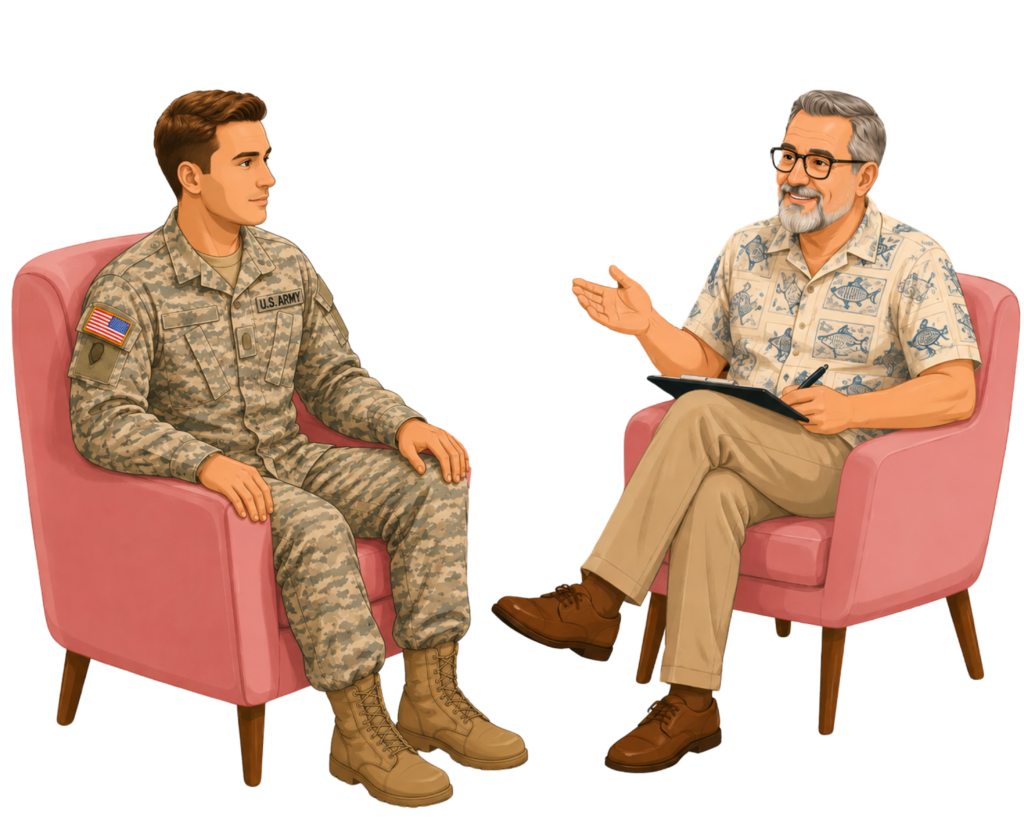
Sessions are typically structured conversations with a clear focus. A coach asks questions that a veteran may not be asking themselves, identifies where avoidance or fear is driving decisions rather than actual preference, and holds the client accountable to the commitments they make between sessions.
There is no single model. Some coaches work weekly. Others work in intensive short-term engagements. The format matters less than the quality of the relationship and the specificity of the work being done. Veterans should expect to be challenged, but in a way that feels purposeful rather than confrontational.
Progress is rarely linear. Some weeks produce significant shifts. Others feel like maintenance. Over time, the cumulative effect tends to be meaningfully different from where the veteran started.
When Should a Veteran Seek Professional PTSD Treatment?
Coaching is not the right starting point for every veteran. If PTSD symptoms are severe, if daily functioning is significantly impaired, if there is any presence of suicidal thoughts or self-harm, or if the veteran has never received a clinical assessment for PTSD, professional mental health treatment should be the priority.
Veterans in these situations should contact the Veterans Crisis Line, reach out to the VA, or connect with a licensed mental health provider before pursuing coaching. Coaching works best when basic stability is present and the primary challenge is rebuilding and moving forward rather than managing acute symptoms.
Building a Healthier Future After Trauma
Trauma changes people. That is not an overstatement, and it is not a sentence that should be followed immediately by reassurance that everything can go back to the way it was. It cannot. But changed does not mean diminished, and a life shaped by the experience of service and its aftermath can still be full, purposeful, and genuinely worth living.
Trauma coaching for veterans is built on that premise. Not that the past can be erased or that healing is a destination that, once reached, requires no further attention. But that forward movement is possible with the right support, structure, and commitment, and that veterans deserve access to that kind of help in a form that actually fits their experience.
If you are a veteran navigating life after trauma and formal treatment has not fully addressed the practical dimensions of rebuilding, trauma-informed coaching may be the support that bridges that gap. Reaching out to a coach who understands veteran experience is a reasonable and meaningful next step.
Frequently Asked Questions
Veteran trauma coaching is a structured, forward-focused support approach designed specifically for veterans dealing with the effects of trauma, military transition challenges, loss of purpose, or relationship difficulties after service. It focuses on practical goal-setting, identity rebuilding, and developing the habits and clarity needed to move forward, rather than clinical diagnosis or trauma processing in a therapeutic sense.
No. Therapy is a clinical practice performed by licensed mental health professionals that addresses diagnosis and treatment of conditions like PTSD. Coaching is forward-focused and practical, supporting veterans in setting goals, building confidence, and creating direction. They serve different but complementary roles, and some veterans benefit from both simultaneously.
It depends entirely on the individual and what they are working on. Some veterans see meaningful progress within a few months of consistent coaching. Others work with a coach over a longer period as they navigate multiple life areas. There is no fixed timeline, and a good coach will be transparent about expectations from the start.
Yes. Relationship difficulties are one of the most common areas coaching addresses. While a coach does not provide couples counseling, they work with the individual on the communication patterns, emotional regulation, and self-awareness that directly affect how they show up in relationships.
No. Trauma in military contexts is not limited to combat. Military sexual trauma, moral injury, the cumulative stress of operational deployments, and the transition out of service itself can all produce the kind of lasting effects that veteran trauma coaching is designed to support.
Moving Forward After Military Service
Military trauma coaching won’t undo what service cost. But for veterans who are ready to work on what comes next, it offers something real: structure, accountability, and a consistent space to build toward a life that makes sense after everything that came before it. Coaching isn’t a clinical solution, and it doesn’t claim to be. But for the personal, practical, and emotional work of post-service adjustment, it can provide genuine support. Veterans don’t have to navigate this alone, and reaching out, whether to a coach, a therapist, or both, is a reasonable and worthwhile decision.
Positive Motivators
- Henry Wadsworth Longfellow, The Contemplative Counselor; Fortress Press, 2011, p 64
- New American Standard Bible: 1995 update. (1995). (Jn 16:13). La Habra, CA: The Lockman Foundation.
- Ibid, Psalm 46:10
- Nolasko, Rolph R. jr; The Contemplative Counselor; Fortress Press, 2011; p 61
- Ibid
- LifeCrafters Coaching & Support Services LLC
- www.lccoach.org
- david.hooker@lccoach.org
- 503-344-6348
Speaking with clarity and honesty creates space for understanding and meaningful connection.
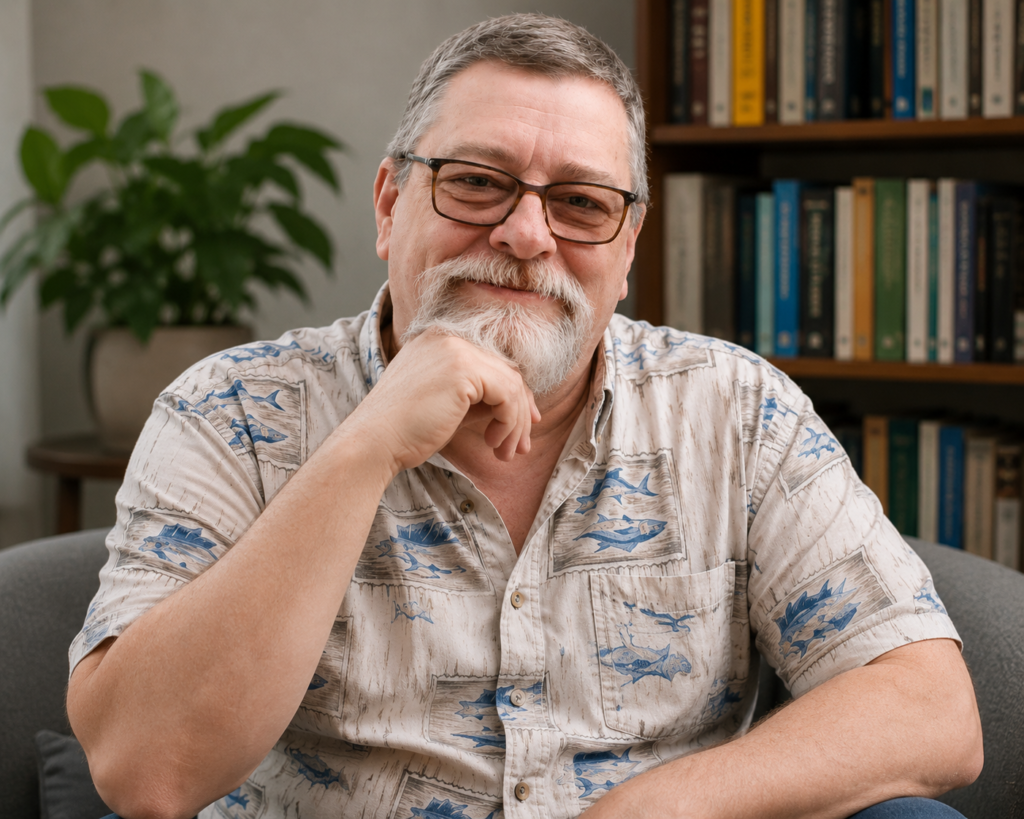
Author, David Hooker
Timing matters. Important conversations are most productive when both partners are calm, available, and emotionally regulated. Avoid raising sensitive topics during moments of stress or exhaustion. Creating intentional space for conversations allows both partners to engage thoughtfully and respectfully.
Handle Conflict Constructively
Disagreements are normal in any relationship. Focus on addressing the issue rather than criticizing your partner. Stay curious about their perspective, take responsibility for your part, and avoid absolutes like “always” or “never.” Working as a team toward solutions strengthens resilience and mutual respect.
Show Appreciation and Affection
Positive communication isn’t just about resolving problems—it’s also about reinforcing connection. Regularly expressing gratitude, affection, and acknowledgment helps your partner feel valued. Small gestures of appreciation can soften difficult conversations and create a more supportive emotional climate.
Bringing It All Together
Improving communication takes time, patience, and practice from both partners. By listening with intention, speaking honestly, choosing the right moments, managing conflict thoughtfully, and showing appreciation, you create a stronger foundation for connection. Small, consistent changes in how you communicate can lead to deeper understanding, greater emotional safety, and a more fulfilling relationship.