Are the new ways better?
Military service leaves marks that don’t always show. The transition back to civilian life, after months or years of high-stress environments, combat exposure, loss, and constant operational pressure, is something that rarely gets the attention it deserves. For many veterans, the challenges don’t end when the deployment does. They follow you home, show up in relationships, sleep, work, and in the quiet moments when there’s nothing left to distract you. Military trauma coaching is one form of structured support that some veterans find useful during this period, not as a replacement for clinical care, but as a practical, forward-focused way to work through the personal and emotional dimensions of life after service.
What Is Military Trauma Coaching?
Coaching in this context is not therapy. That distinction matters and any honest coach will tell you so upfront.
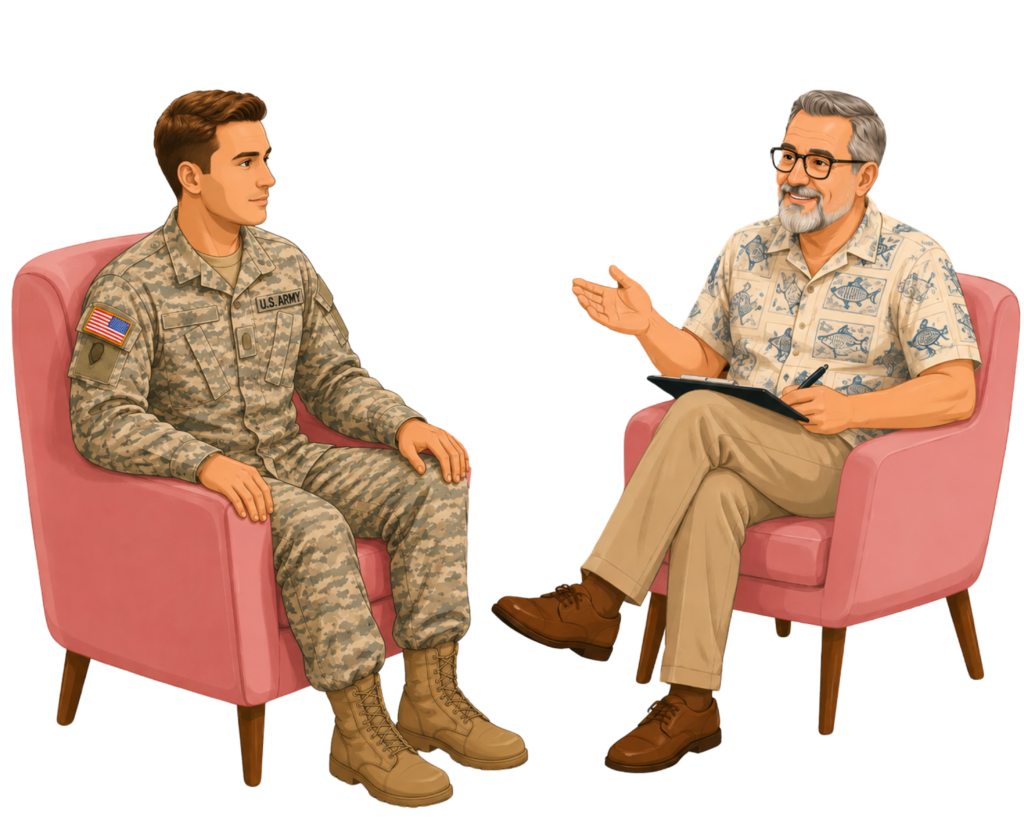
Military trauma coaching focuses on helping veterans identify personal goals, build emotional resilience, navigate relationships, rebuild confidence, and find their footing in civilian life. A coach works alongside the veteran, asking questions, providing structure, and creating accountability around the changes the person wants to make. It’s future-oriented work. It doesn’t diagnose, and it doesn’t treat clinical conditions.
Veterans experiencing serious mental health symptoms, including significant PTSD, severe anxiety, or persistent intrusive thoughts, need a qualified mental health professional, not a coach. The two services aren’t competing. They address different needs, and sometimes a veteran benefits from both simultaneously.
Who Can Benefit From Military Trauma Coaching?
Combat veterans navigating the psychological weight of what they experienced. Former service members struggling with the loss of structure and identity that comes after leaving the military. Veterans whose confidence has taken a hit, or whose relationships are strained in ways they don’t fully understand. People who want organized, consistent support working toward something better, but whose challenges don’t rise to a clinical level. Coaching tends to work best when someone is ready to engage actively with their own growth.
How Military Experiences Can Affect Life After Service
The effects of military service don’t operate on a schedule. Some veterans struggle immediately. Others manage fine for years and then hit a wall. There’s no predictable pattern.
Emotional and Mental Challenges
Stress, anxiety, anger, fear, emotional numbness, difficulty relaxing. These are common experiences, not signs of weakness or failure. The nervous system adapts to high-threat environments over time, and those adaptations don’t automatically switch off when the context changes. What helped someone stay sharp and safe in a combat zone can make ordinary civilian life feel strange, flat, or frustrating.
Relationships and Social Connections
This is where a lot of veterans feel it most acutely. Difficulty communicating. A persistent sense of disconnection from people who haven’t shared similar experiences. Family relationships that have drifted during long absences or changed under the pressure of reintegration. Rebuilding genuine social connection takes time and often requires deliberate effort that doesn’t come naturally after years of operating in a very different kind of environment.
Adjusting to Civilian Life
The structure of military life, the clear hierarchy, the defined purpose, the sense of mission and belonging, doesn’t transfer. Civilian workplaces and social environments operate by different rules, and the absence of that structure can feel disorienting in ways that are hard to articulate to people who haven’t experienced it. Identity shifts. Goals that felt obvious suddenly aren’t. Employment can be complicated when military skills don’t translate neatly into civilian job descriptions.
How Military Trauma Coaching Can Support Veterans
Trauma coaching for veterans is practical by design. It addresses specific, identifiable areas rather than trying to do everything at once.
Building Emotional Awareness
Recognizing emotions and understanding personal triggers helps veterans make sense of their own reactions instead of being caught off guard by them.
Developing Healthy Coping Strategies
Identifying more constructive ways to manage stress and difficult emotions creates options that many veterans didn’t previously have, or didn’t know they had.
Rebuilding Confidence
Military service builds certain kinds of confidence and can quietly erode others. Coaching helps veterans reconnect with their capabilities and develop steadier self-assurance across personal, professional, and social situations.
Creating New Goals
Life after the military needs direction. Setting realistic, personally meaningful goals for this chapter, rather than drifting, makes the transition more purposeful and manageable.
Strengthening Relationships
Communication, trust, appropriate boundaries, and the slow work of genuine connection. These are learnable skills, and coaching creates space to develop them deliberately.
What Happens During Military Trauma Coaching?
Initial Conversation
The first session is largely about understanding the veteran’s current situation. What’s working, what isn’t, where the friction is, and what kind of support they’re actually looking for. There’s no standard template because no two veterans arrive at coaching from the same place.
Identifying Patterns and Goals
From the early conversations, recurring challenges usually become visible. Maybe it’s a pattern of isolating when stressed. Maybe it’s difficulty sustaining motivation without external structure. Naming those patterns clearly is the first step toward changing them. Goals get established here, specific enough to be actionable, realistic enough to be worth pursuing.
Creating an Action Plan
This is where coaching becomes concrete. Practical steps around daily routines, relationship dynamics, confidence-building, or career transition get developed and agreed upon. Not a rigid schedule, but a real framework with real expectations.
Ongoing Coaching Sessions
Progress gets reviewed. What worked, what didn’t, what needs to shift. Goals evolve as the veteran’s situation changes, which is normal and expected. The consistency of regular sessions is part of what makes coaching useful. Accountability isn’t pressure. It’s just someone who follows up.
Military Trauma Coaching vs. Trauma Therapy
Worth being direct about this because confusion between the two can lead people toward the wrong kind of support.
Coaching focuses on goals, personal development, coping skills, and forward movement. It helps veterans build better habits, clearer thinking, and stronger relationships. Therapy, particularly trauma-focused clinical therapy, can diagnose and treat mental health conditions, work with trauma at a deeper psychological level, and provide interventions that are outside the scope of any coaching relationship.
Veterans with severe symptoms, including clinical PTSD, should be working with a licensed mental health professional. Coaching can sometimes complement that work, but it cannot substitute for it.
Signs a Veteran May Need Additional Professional Support
Persistent nightmares. Severe anxiety or panic that interferes with daily functioning. Intrusive memories that don’t respond to self-management. Extreme emotional distress. Substance misuse as a way of coping. Social withdrawal that’s becoming more entrenched over time. Thoughts of self-harm.
Any of these warrant a conversation with a licensed mental health professional, not just a coach. Recognizing this isn’t a failure. It’s information, and acting on it is exactly the kind of clear-headed decision-making that good military training is supposed to produce.
How to Choose the Right Military Trauma Coach
Relevant Experience
Look for someone who has genuine experience working with veterans or with military-related transitions. Familiarity with the culture, the specific challenges of service, and the realities of post-military life makes the work more grounded and more useful.
Clear Coaching Approach
A reputable coach explains exactly what coaching involves and, just as importantly, what it doesn’t. Vague claims about what coaching can achieve are a signal to look elsewhere.
Respect for Military Culture
Veterans can usually tell within a session or two whether someone actually understands military life or is working from assumptions. A coach who respects the values, structure, and unique experiences associated with service builds trust more quickly and earns the kind of honest engagement that makes coaching productive.
Appropriate Professional Boundaries
A good coach knows their limits. If a client’s needs go beyond what coaching can address, a qualified coach says so and helps connect that person with appropriate support.
Starting Your Journey With Military Trauma Coaching
Deciding to seek support is a personal choice, and it doesn’t have to be complicated. Start by identifying one or two areas of your life that feel most stuck or most frustrating. That’s a reasonable place to begin a conversation with a coach or, if symptoms are significant, with a mental health professional.
Healing and adjustment after military service take time. That’s not a weakness. It’s just the nature of what service asks of people, and what life after it requires in return. Veterans don’t have to figure this out alone, and reaching out for structured support is a legitimate and worthwhile step.
Frequently Asked Questions
Coaching for veterans typically addresses confidence, goal-setting, emotional awareness, coping strategies, relationships, and civilian life transitions. It’s structured, practical, and focused on the areas where a veteran wants to see real change.
No. Coaching is not a clinical service and cannot diagnose or treat PTSD. Veterans with significant trauma symptoms should seek support from a licensed mental health professional qualified to provide trauma-focused clinical care.
Yes. Many veterans find coaching most useful during the transition period, though it can be valuable at any stage of post-service life. The focus adapts based on where the veteran is and what they’re working toward.
It varies. Some veterans see meaningful progress within a few sessions. Deeper work around habits, identity, and relationships typically unfolds over several months of consistent engagement.
Look for coaches with verifiable experience working with veterans, clear communication about what their coaching involves, and an approach that fits your goals. An initial consultation, if offered, is worth taking.
Moving Forward After Military Service
Military trauma coaching won’t undo what service cost. But for veterans who are ready to work on what comes next, it offers something real: structure, accountability, and a consistent space to build toward a life that makes sense after everything that came before it. Coaching isn’t a clinical solution, and it doesn’t claim to be. But for the personal, practical, and emotional work of post-service adjustment, it can provide genuine support. Veterans don’t have to navigate this alone, and reaching out, whether to a coach, a therapist, or both, is a reasonable and worthwhile decision.
Positive Motivators
- Henry Wadsworth Longfellow, The Contemplative Counselor; Fortress Press, 2011, p 64
- New American Standard Bible: 1995 update. (1995). (Jn 16:13). La Habra, CA: The Lockman Foundation.
- Ibid, Psalm 46:10
- Nolasko, Rolph R. jr; The Contemplative Counselor; Fortress Press, 2011; p 61
- Ibid
- LifeCrafters Coaching & Support Services LLC
- www.lccoach.org
- david.hooker@lccoach.org
- 503-344-6348
Speaking with clarity and honesty creates space for understanding and meaningful connection.
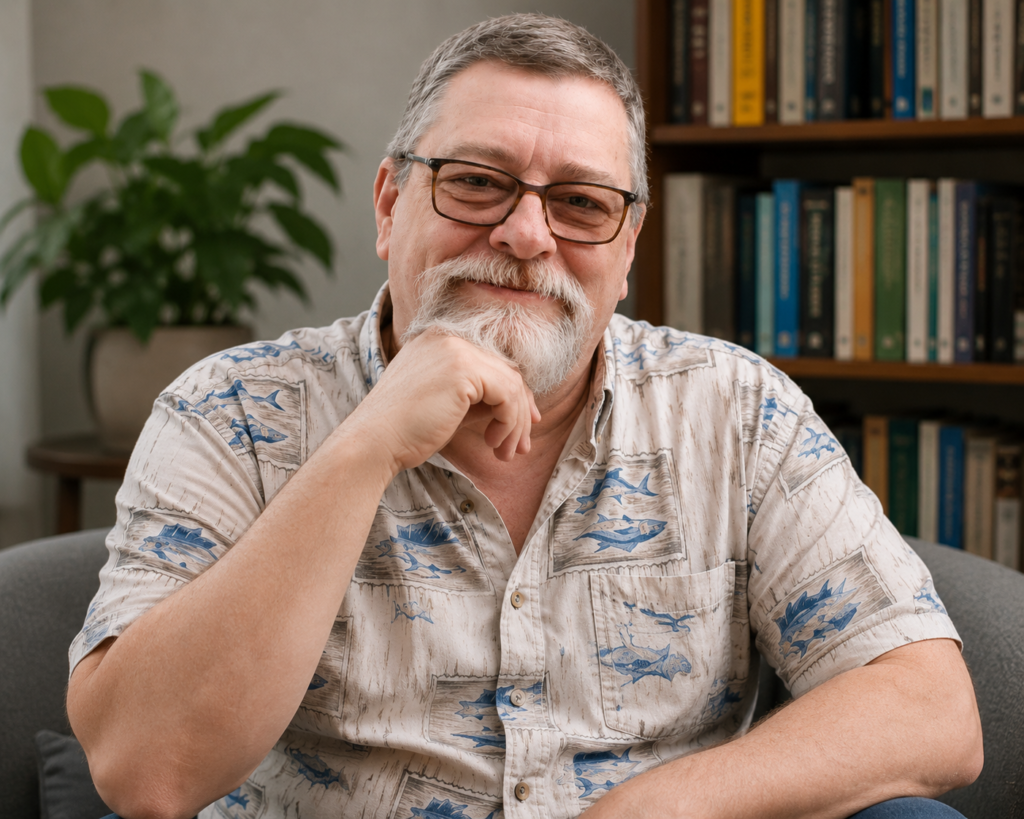
Author, David Hooker
Timing matters. Important conversations are most productive when both partners are calm, available, and emotionally regulated. Avoid raising sensitive topics during moments of stress or exhaustion. Creating intentional space for conversations allows both partners to engage thoughtfully and respectfully.
Handle Conflict Constructively
Disagreements are normal in any relationship. Focus on addressing the issue rather than criticizing your partner. Stay curious about their perspective, take responsibility for your part, and avoid absolutes like “always” or “never.” Working as a team toward solutions strengthens resilience and mutual respect.
Show Appreciation and Affection
Positive communication isn’t just about resolving problems—it’s also about reinforcing connection. Regularly expressing gratitude, affection, and acknowledgment helps your partner feel valued. Small gestures of appreciation can soften difficult conversations and create a more supportive emotional climate.
Bringing It All Together
Improving communication takes time, patience, and practice from both partners. By listening with intention, speaking honestly, choosing the right moments, managing conflict thoughtfully, and showing appreciation, you create a stronger foundation for connection. Small, consistent changes in how you communicate can lead to deeper understanding, greater emotional safety, and a more fulfilling relationship.